BAKU, Azerbaijan, June 12. The
China–Kyrgyzstan–Uzbekistan railway project will become an integral
component of the modern transport architecture of the Eurasian
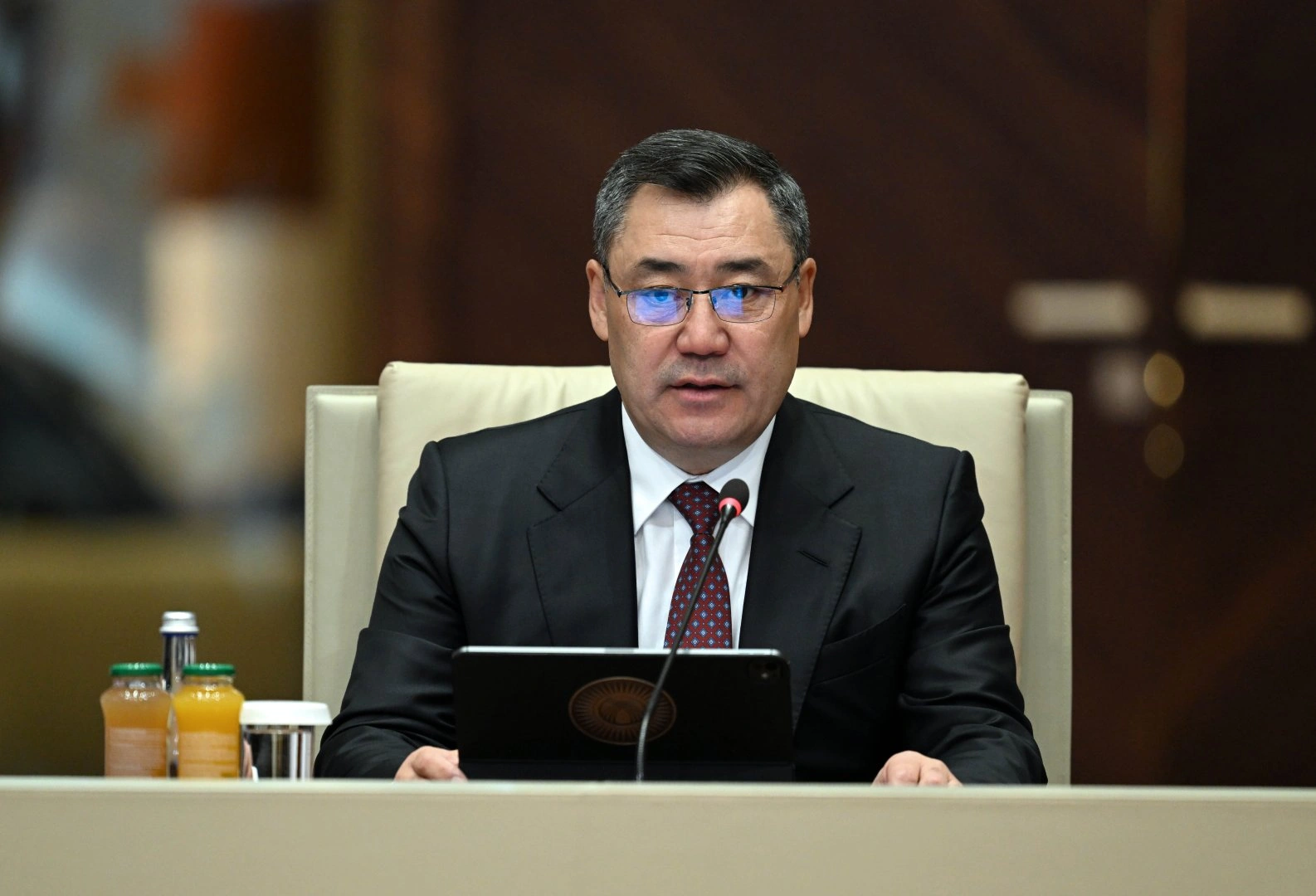
region, President Sadyr Japarov said.
This was reported by the press service of the Kyrgyz President,
citing Japarov’s remarks during talks with Georgian Prime Minister
Irakli Kobakhidze, held in Bishkek on June 12.
“In June 2024, a trilateral agreement was signed on the
construction of the China–Kyrgyzstan–Uzbekistan railway. For the
implementation of this project, 9,000 workers and more than 6,000
units of equipment have been mobilized. This project is one of the
most significant infrastructure initiatives in the region and will
become an integral part of the modern transport architecture of the
Eurasian space,” the President said.
According to information, President Japarov emphasized the
exceptional significance of this visit, noting that it constitutes
the first official high-level engagement by the Georgian side in
Kyrgyzstan and heralds the commencement of a new phase in the
evolution of Kyrgyz-Georgian bilateral relations.
The information indicates that the sides discussed a wide range
of issues of bilateral cooperation, including the development of
political dialogue, expansion of trade and economic ties,
strengthening transport and logistics cooperation, as well as
cultural and humanitarian collaboration.
The President emphasized that Georgia, with its unique
geographic location and developed Black Sea port infrastructure,
plays an important role in ensuring transport connectivity between
Asia and Europe. In this regard, cooperation between the two
countries in the field of transport and logistics is of particular
importance.
The Head of State stressed that the construction of the
China–Kyrgyzstan–Uzbekistan railway will become one of the key
infrastructure projects in the region and an important component of
international transport corridors.
According to him, upon completion of the project, a multiple
increase in transit cargo volumes is expected along routes passing
through the territory of Kyrgyzstan and further to Georgian
seaports, which will contribute to strengthening trade and economic
ties, developing transit potential, and enhancing the
competitiveness of Eurasian transport routes.