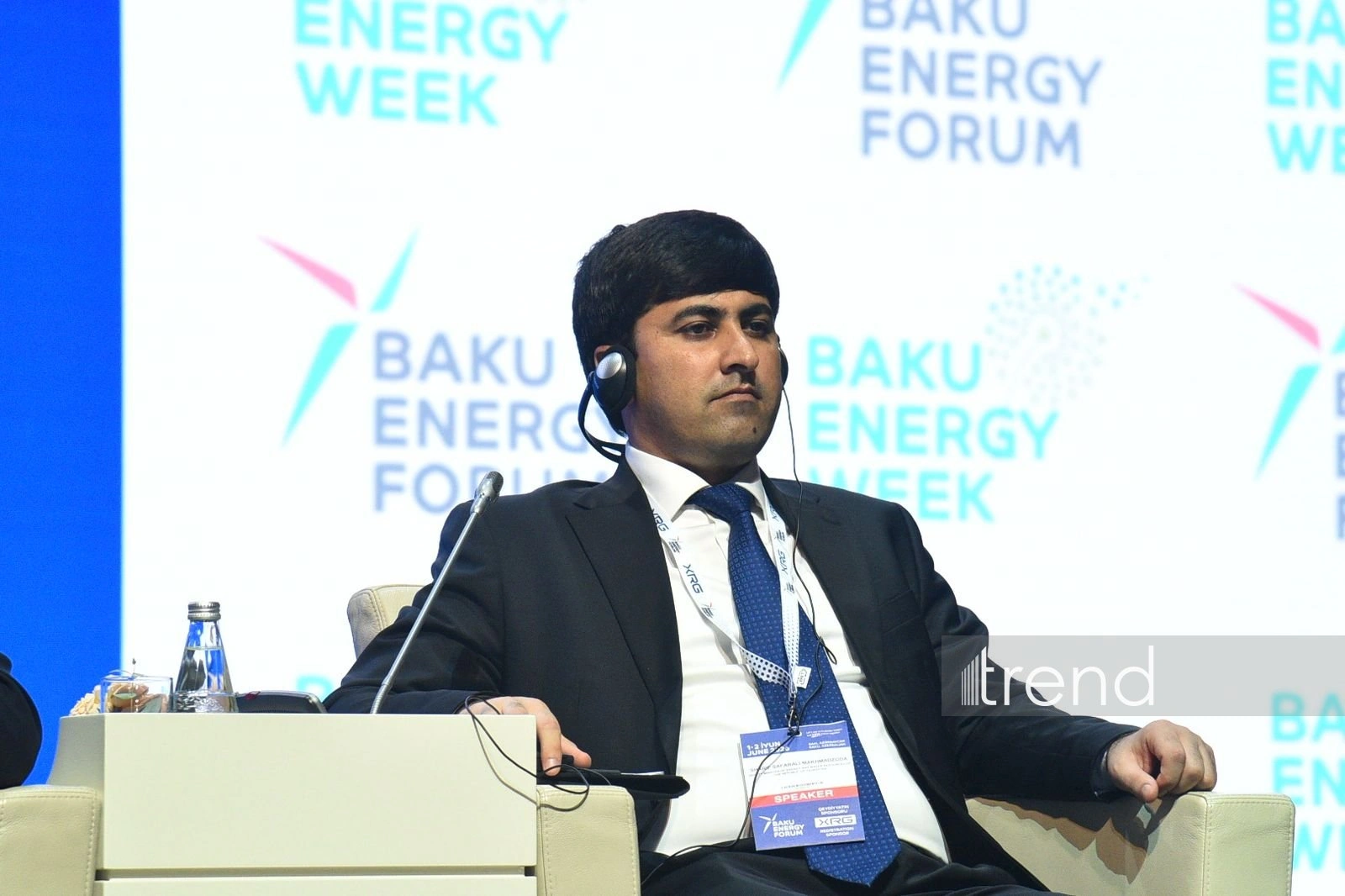
BAKU, Azerbaijan, June 1. The energy transition
for Tajikistan is not only part of the global climate agenda but
also a strategic condition for national development, energy
security, industrial growth, and improving the quality of life of
the population, Tajikistan's Deputy Minister of Energy and Water
Resources, Sharif Safarali Mahmadzoda, said at the ministerial
dialogue on promoting the energy transition based on renewable
energy sources in Central Asia, held as part of the Baku Energy
Week, Trend
reports.
"Tajikistan has unique natural advantages. Renewable hydropower
forms the basis of our electricity sector.
"About 95% of the country's electricity is generated annually by
hydroelectric power plants, making Tajikistan one of the world's
leaders in green energy production. The country's hydroelectric
potential is estimated at 527 billion kilowatt-hours per year, of
which only a small portion—about 4%—has been developed," he
said.
The deputy minister noted that high dependence on water
resources in the context of climate change creates new
challenges.
"Melting glaciers, seasonal fluctuations in river flows, and
growing demand for electricity require energy mix diversification,
infrastructure modernization, and the wider adoption of solar,
wind, and other renewable technologies. The National Development
Strategy of Tajikistan until 2030 sets specific benchmarks," he
added.