Governments cannot decide whether to release additional oil reserves to calm the crisis caused by the Iran war until they have greater clarity on how long the conflict is likely to last, France’s finance minister has said.
Asked whether talks over a second release of strategic oil reserves had begun, Roland Lescure told the Financial Times that the issue was not on the agenda when he hosted finance ministers from G7 nations, including US Treasury secretary Scott Bessent, in Paris earlier this week.
“We cannot release stocks — which are by nature finite — without having visibility on the duration and intensity of the conflict at this stage,” Lescure said.
He added that even after a reopening of the Strait of Hormuz, it would take weeks for oil supplies to reach Europe, Asia and other regions, making timing crucial for any coordinated decision.
“That would be the kind of moment in which it would make sense to consider the release of reserves to ensure the transition [from] the current phase to the next. The circumstances have not yet come together,” he said.
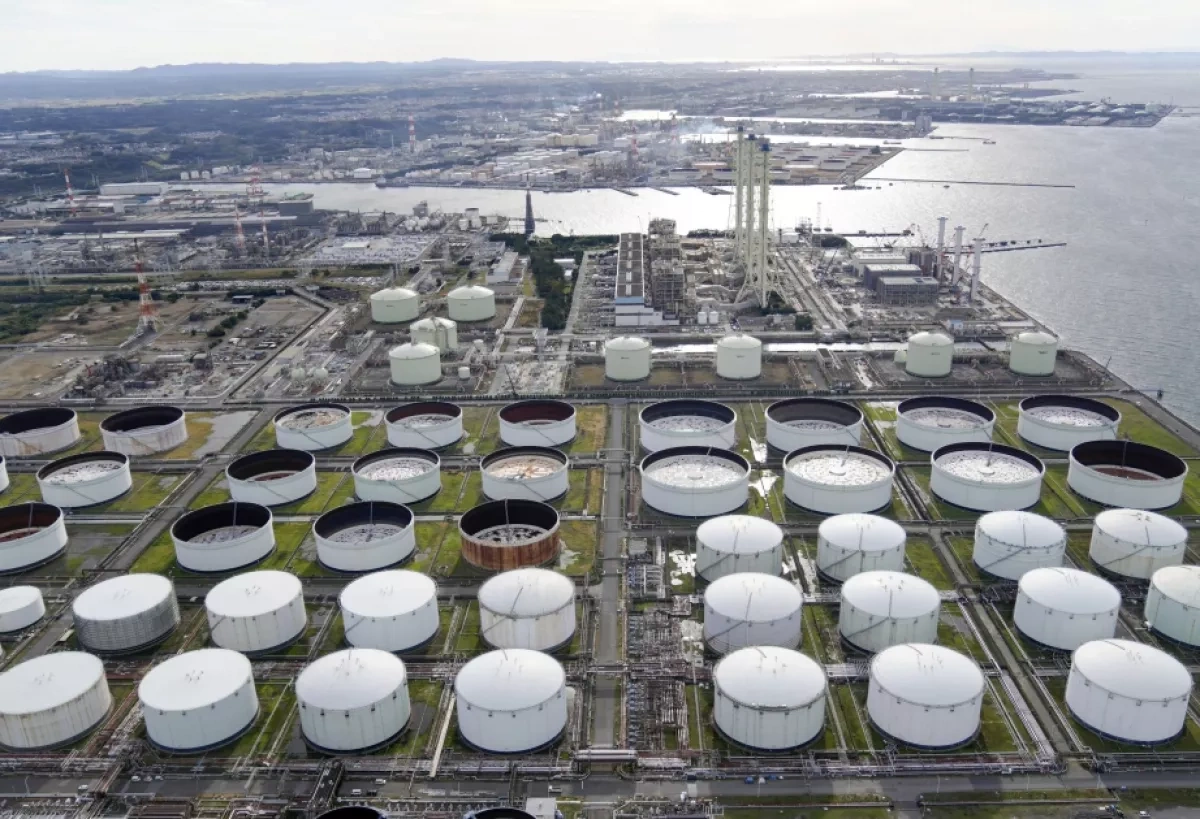
In March, 32 countries in the International Energy Agency released a combined 400 million barrels of oil and refined fuel to ease shortages caused by the war. The move helped reduce prices and volatility, though reserves are expected to be depleted in the coming weeks.
IEA executive director Fatih Birol said he remained “in frequent contact” with member states and that the agency was “ready to act immediately,” but stressed that “any additional stock release would depend on how the markets evolve and a decision by all our member governments.”
He added that the current energy crisis is larger than the shocks of the 1970s and the Russia–Ukraine war “put together,” although strategic reserves have provided a buffer.
Oil markets remain highly volatile, with Brent crude trading at $108 a barrel on Thursday after falling more than 11% following the March release of reserves.
The Strait of Hormuz, through which about 20% of global oil and LNG passes, remains largely closed amid risks of attacks on shipping. Indirect US–Iran talks continue under a fragile ceasefire, but reopening of the strait is seen as essential to easing the crisis.
The economic fallout has spread globally, slowing growth and increasing inflation. The EU has cut its growth forecast to 0.9% and expects inflation to rise to 3% this year.
Lescure said the war has created at least €6 billion in additional costs for France, including up to €4 billion in higher interest payments. He described the economic outlook as “orange warning lights rather than red warning lights,” citing resilience from France’s nuclear-based energy mix and social safety system.
By Vafa Guliyeva