A Ukrainian offensive earlier this year succeeded in retaking around 400 square kilometres of territory from Russian forces after thousands of Starlink internet terminals used by Moscow’s troops were disabled, according to a Bloomberg report citing a US intelligence assessment.
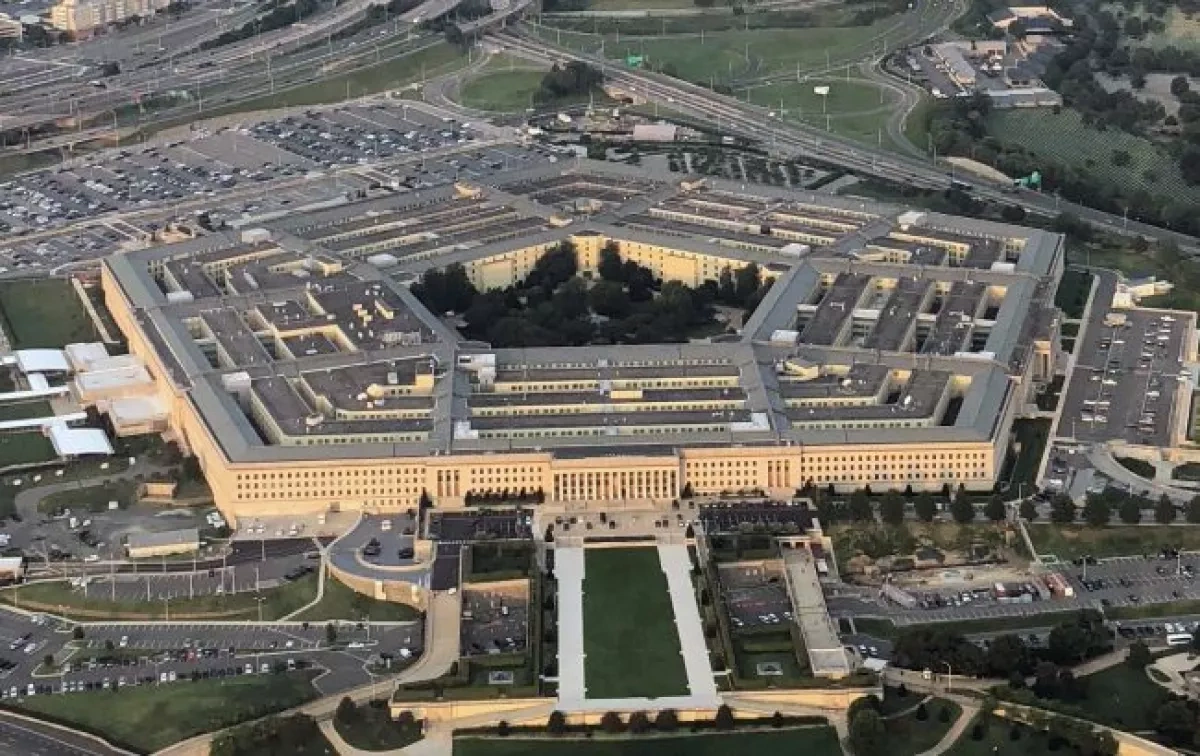
The findings come from the US Defense Intelligence Agency (DIA) as part of a congressionally mandated review of American assistance to Ukraine, compiled by the Pentagon’s Inspector General and released this week.
The report states that the Ukrainian operation marked Kyiv’s first territorial gains since 2023 and was aided by a temporary but significant disruption to Russian military capabilities. This followed efforts by Ukrainian officials in February to deactivate Starlink terminals that Russian forces had been using without authorisation.
According to the DIA and US European Command, Russian troops relied on the satellite terminals — produced by Elon Musk’s SpaceX — “to coordinate movements” and carry out drone strikes, particularly in areas where conventional communications were unreliable or vulnerable to jamming.
The report concludes that “Russian military capabilities in Ukraine were temporarily yet significantly degraded” after the terminals were taken offline, disrupting battlefield coordination.
Russian forces also faced additional communication challenges after a Kremlin crackdown on the Telegram messaging service, widely used by soldiers for operational communication, further complicating coordination on the ground.
Despite the setback, the DIA assessment notes that, as of March, Russia continued to hold an overall advantage over Ukraine “across most warfighting functions”.
Ukrainian officials described the impact of the disruption in stark terms. Serhiy Beskrestnov, an adviser to Ukraine’s defence minister, said in February that the loss of Starlink access was “not a problem the enemy faces, but a disaster — troop command has collapsed and assault operations have halted in many areas”.
Although Starlink is not officially available for Russian military use, reports emerged in 2024 that Russian troops had obtained the devices and were using them for internet access. Ukraine subsequently raised concerns with SpaceX after discovering that some terminals had been used to support Russian drone attacks.
In response, SpaceX published guidance in February on how to properly register Starlink terminals for authorised use, with Elon Musk urging users in Ukraine to comply via a post on X.
US officials have said the company has worked closely with the Pentagon to prevent illicit use of its technology. In June 2024, a senior defence official told lawmakers that SpaceX had been proactive in supporting investigations and restricting access once the issue became known.
That same year, SpaceX was awarded a Pentagon contract to expand Ukraine’s access to a more secure, militarised version of the Starlink network.
Meanwhile, Ukraine announced on Thursday, May 21, that it is strengthening security in its northern regions amid concerns about a potential new Russian offensive. President Volodymyr Zelenskyy said Moscow may be considering an attack from Belarus similar to its failed attempt to capture Kyiv in the early weeks of the full-scale invasion.
By Tamilla Hasanova