TASHKENT, Uzbekistan, May 22. President Shavkat
Mirziyoyev announced new Hajj and charitable initiatives ahead of
Eid al-Adha, including state-funded pilgrimages for vulnerable
citizens and the expansion of social support programs across
Uzbekistan, Trend
reports via the press service of the Uzbek president.
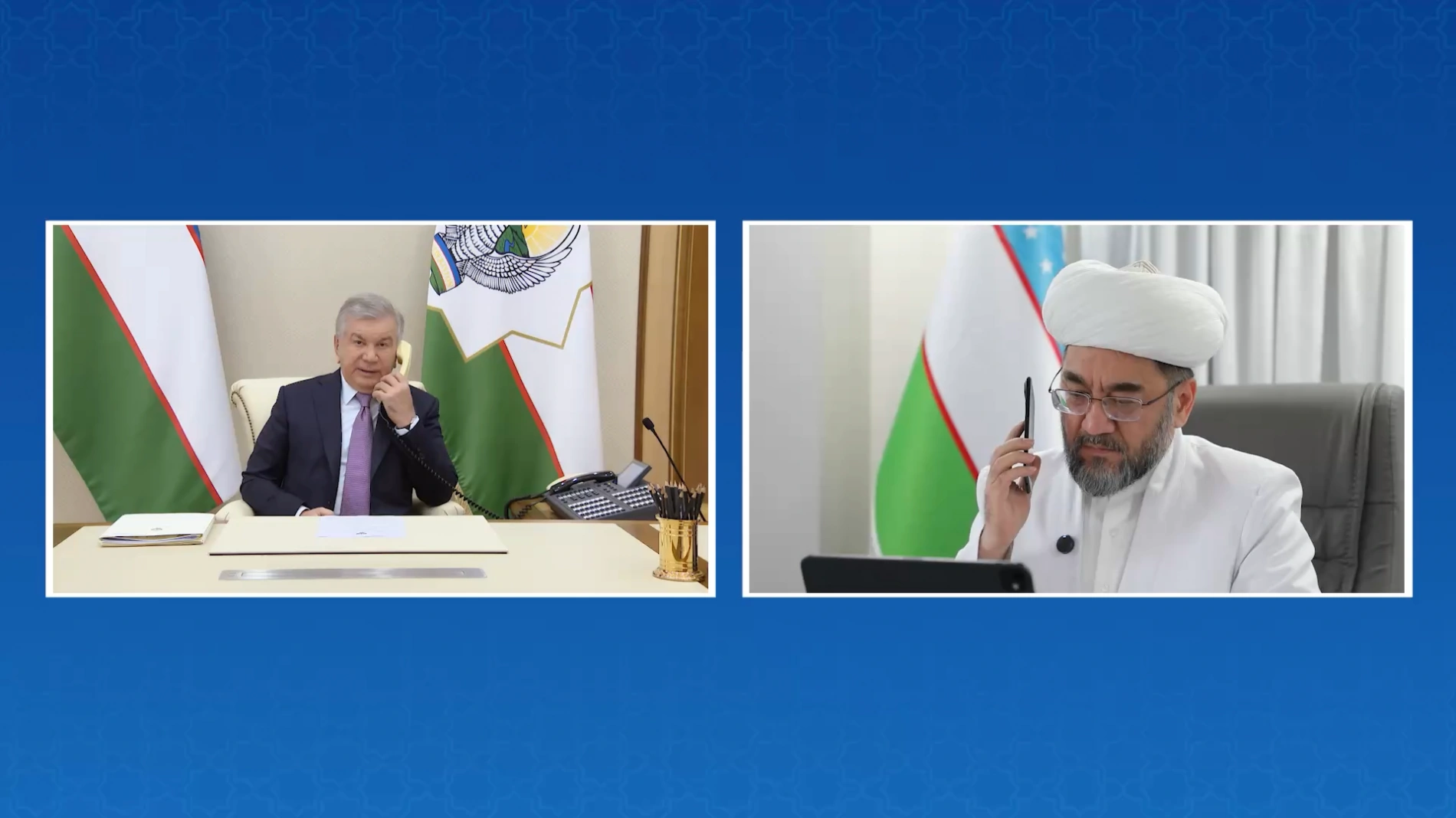
The issues were discussed during a telephone conversation
between President Mirziyoyev and Mufti Sheikh Nuriddin Holiknazar,
chairman of the Muslim Board of Uzbekistan.
During the conversation, Mirziyoyev conveyed Eid greetings to
Uzbek pilgrims in Mecca and expressed hope that their prayers for
peace, stability, and national prosperity would be accepted.
According to the statement, more than 15,000 Uzbek citizens
participate in the Hajj pilgrimage annually. For the first time
this year, the government financed Hajj trips for 100 citizens,
including labor veterans, low-income individuals, mahalla
activists, and senior citizens.
The president also inquired about the health and living
conditions of Uzbek pilgrims, as well as the organization of
pilgrimage services in Mecca and Medina. Holiknazar stated that all
necessary conditions had been provided for the pilgrims and that
organizational efforts were being conducted at a high standard.
The parties additionally discussed ongoing reforms in
Uzbekistan’s religious and educational sectors, including projects
such as the Imam Bukhari and Burhoniddin Margilani memorial
complexes and the Center for Islamic Civilization, which
authorities describe as initiatives aimed at promoting the
country’s Islamic heritage.
Ahead of Eid al-Adha, Mirziyoyev signed a resolution concerning
nationwide holiday celebrations and charitable programs. According
to the government, additional funding will be allocated to support
vulnerable groups, finance complex surgeries for more than 10,000
children, provide treatment for approximately 2,000 individuals
with serious illnesses, and improve mosques and cemeteries.
Mirziyoyev also expressed confidence that returning pilgrims
would contribute to promoting the values of what he described as
“enlightened Islam,” social cohesion, and spiritual education,
particularly among young people.