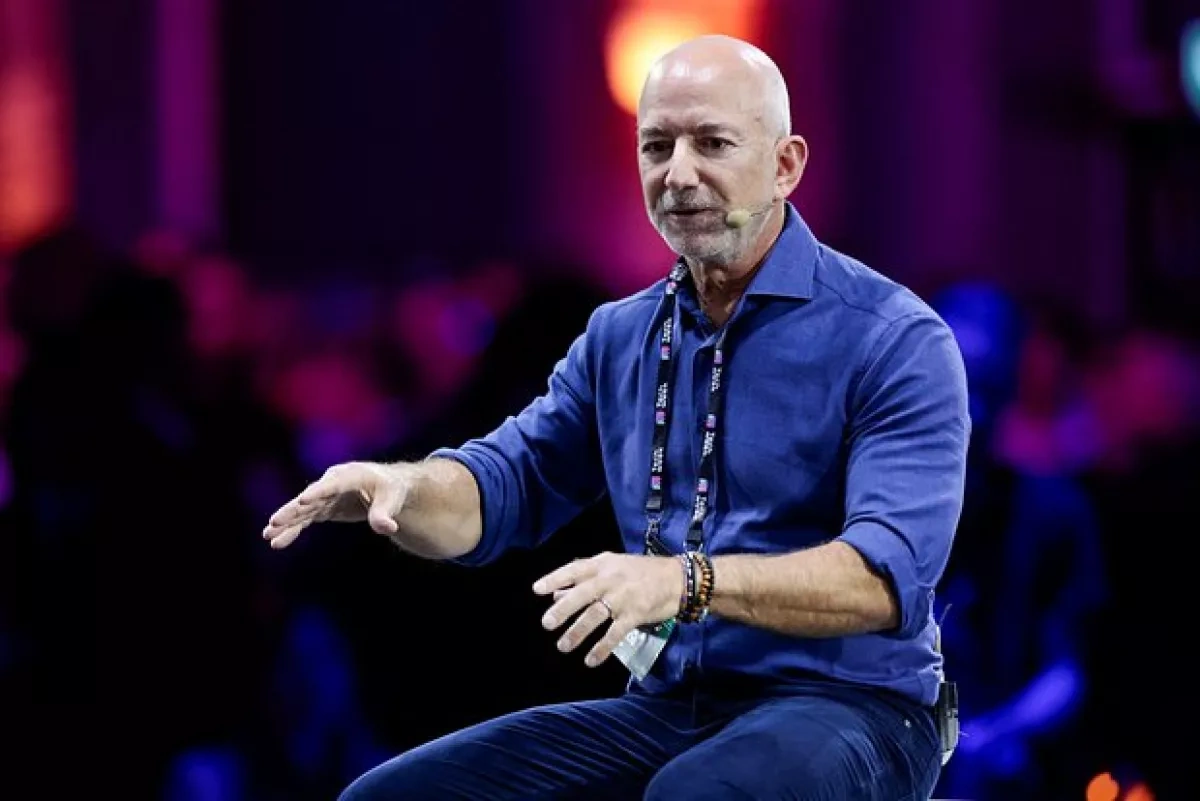
Jeff Bezos has called for eliminating federal income taxes for the bottom half of American earners, arguing that low- and middle-income workers should not bear a financial burden that contributes relatively little to government revenue.
Speaking on May 20 during an interview on CNBC’s “Squawk Box,” Bezos said the current system places unnecessary pressure on working Americans, especially those facing rising living costs and economic uncertainty.
“The bottom half pay about 3% of all federal income taxes,” Bezos said. “I don’t think it should be 3%. I think it should be zero.”
According to data cited from the Tax Foundation, the bottom half of taxpayers earned an adjusted gross income averaging nearly $54,000 in 2023, while the top 1% earned at least $676,000. Bezos noted that the wealthiest Americans already contribute a significant share of total federal income taxes, with the top 1% paying roughly 40% of total revenue.
Using the example of a healthcare worker earning $75,000 annually, Bezos argued that such workers should not be sending money to Washington through federal income taxes.
“We shouldn’t be asking this nurse in Queens to send money to Washington,” he said. “They should be sending her an apology.”
Bezos did not outline a specific legislative plan but said he would advocate for the idea. His comments arrive amid renewed national debate over tax fairness, economic inequality, and affordability pressures affecting millions of Americans.
Several Democratic lawmakers have recently proposed tax relief measures targeting lower earners. Among them is Cory Booker, whose “Keep Your Pay Act” would exempt the first $75,000 of income from federal taxes for joint filers.
Economic experts remain divided on how tax burdens should be distributed. Supporters of progressive taxation argue that wealthy Americans often benefit from loopholes and lower effective tax rates through investments and unrealized capital gains. Others contend that high earners already shoulder the majority of federal income taxes and that raising taxes further could discourage investment and economic growth.
The discussion also reflects concerns about what economists describe as a “K-shaped economy,” where wealthier households continue benefiting from market gains while many lower- and middle-income Americans struggle with inflation, housing costs, and rising everyday expenses.
Bezos, currently among the world’s richest individuals with an estimated net worth exceeding $260 billion, said the nation is experiencing “a tale of two economies,” where prosperity for some contrasts sharply with financial hardship for others.
By Aghakazim Guliyev