BAKU, Azerbaijan, May 21. The State Agency of
Azerbaijan Automobile Roads (AAYDA) is implementing 26 major road
infrastructure projects in Baku and the Absheron Peninsula as part
of efforts to improve the region’s transport network, Trend reports.
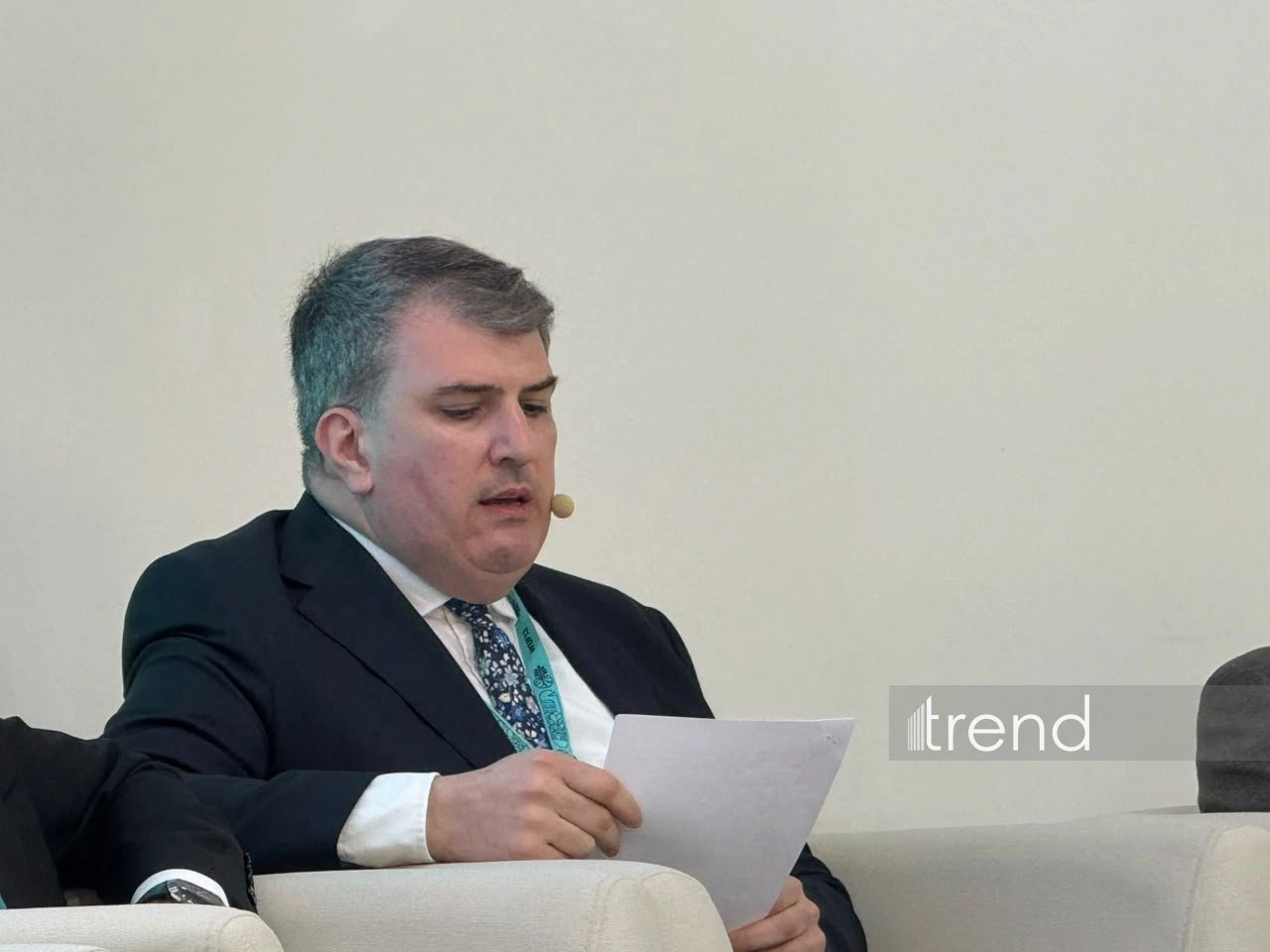
Speaking at an event dedicated to Baku’s Master Plan within the
framework of WUF13, Fariz Azizov, Advisor on Institutional
Development to the Chairman of the Board of AAYDA, said that
population growth, urbanization, and economic expansion are placing
increasing pressure on the transport infrastructure.
According to him, the Agency is moving beyond the traditional
road construction approach and adopting a broader transport
strategy.
“We are creating alternative transport corridors, redistributing
traffic flows, reducing congestion on major highways, improving
safety standards, and developing a more sustainable mobility
system,” he said.
Azizov noted that one of the key projects is the 29-kilometer
Bilgah–Mahammadi–Mardakan–Shamakhi highway, which will connect the
M1 Baku–Guba and M4 Baku–Shamakhi highways. The corridor will allow
regional traffic to bypass central Baku.
The project includes six traffic lanes, nine interchanges, 13
overpasses, tunnels, and pedestrian crossings.
“This project will help reduce traffic congestion, accelerate
logistics operations, and lower the environmental burden,” he
added.
Azizov also said that approximately 50% of construction work has
been completed on the new road link between Academician Hasan
Aliyev Street and the Koroglu metro station.
“The project will create an alternative east-west transport
connection and reduce traffic load on Heydar Aliyev and Ziya
Bunyadov avenues,” he said.
He added that several tunnel and pedestrian crossing projects
are also being implemented to improve pedestrian safety and
accessibility.
“The main goal of all these projects is to establish a unified
and integrated metropolitan mobility system,” Azizov said.
“Connectivity, territorial balance, safety, and mobility are
integral parts of people’s daily quality of life. We believe these
projects will significantly reduce traffic congestion in Baku,
optimize pressure on the city center, and contribute to building a
more sustainable metropolitan future,” he added.
Today marks the fifth day of WUF13 in Baku.
The first day included a ministerial meeting dedicated to the
New Urban Agenda, a ministerial roundtable, assemblies for women
and civil society, business sessions, and discussions on urban
prosperity. An official ceremony marking the raising of the UN and
Azerbaijani flags also took place.
The second day stood out for the inaugural Leaders' Summit,
featuring high-level discussions on the global housing crisis,
urbanization policy, and urban resilience. Concurrently, the
opening of the Mexico City pavilion took place, serving as a
significant platform for expanding cooperation with the Latin
American region and preparing for WUF14.
The third day of WUF13 featured a comprehensive program of
events covering the global housing crisis, the formation of safe
and inclusive cities, climate resilience, artificial intelligence
and urban governance, green urbanization, social equity, and
sustainable transport.
One of the highlights of the third day was the signing of a
sister-city memorandum between the Azerbaijani city of Shusha and
the Turkish city of Trabzon.
The fourth day of WUF13 featured a broad program of events
dedicated to urbanization, climate change, inclusive urban
development, housing policy, and sustainable governance.
One of the important events of the UN Special Programme for the
Economies of Central Asia (SPECA) Cities Forum, held on the fourth
day, was the announcement of Almaty’s official accession to the
“Declaration of Intent on the Establishment of the SPECA Smart
Climate-Resilient Cities Forum.”
Also, for the first time in WUF history and at Azerbaijan’s
initiative, the “WUF13 NGO Forum: Global Partnership and
Decision-Making” was held.
WUF13, which has attracted more than 40,000 registered
participants from 182 countries, will continue until May 22. Held
under the theme “Housing the world: Safe and resilient cities and
communities,” the forum brings together governments, international
organizations, experts, and representatives of civil society to
strengthen global cooperation in the field of sustainable urban