BAKU, Azerbaijan, May 20. Social housing policy
in Türkiye is emerging as a key development tool, directly
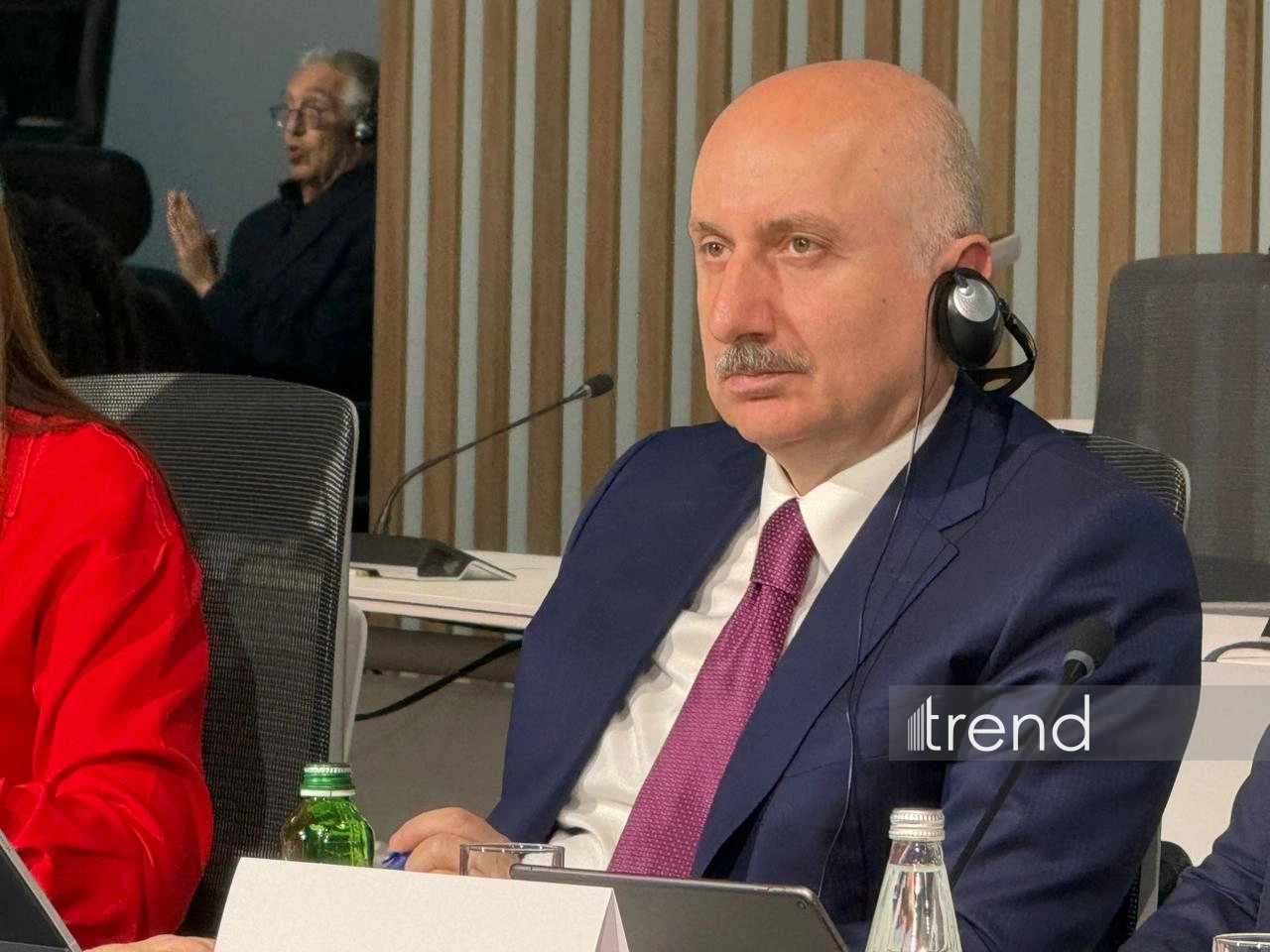
impacting the lives of millions, Adil Karaismailoğlu, a member of
the Turkish Parliament, spoke at a roundtable discussion of
parliamentarians on “How Can National Legislation Translate Global
Housing Commitments into Real Results?”, at the 13th World Urban
Forum (WUF13), Trend
reports.
Karaismailoğlu highlighted that Türkiye has long approached
housing with a social-state perspective, emphasizing planned urban
development, disaster-resistant construction, and people-centered
approaches. “For us, building housing is not just about
constructing buildings, but also creating safe homes, shaping
neighborhoods, and providing citizens with a comfortable and
sustainable living environment,” he said.
He noted that state-led housing projects offer citizens access
to modern living spaces complete with mosques, parks, walking
“This experience shows that social housing policy, when properly
implemented, becomes a powerful development tool that directly
affects the lives of millions of people. Housing should be treated
as a constitutional and public social responsibility. The
Constitution of the Republic of Türkiye obliges the state to meet
housing needs and support social housing initiatives within the
framework of planning that considers city characteristics and the
environment,” Karaismailoğlu said.
He added that low-income groups should be prioritized, noting
that this approach makes housing policy a tool of social justice.
“Accessible financing models are essential. The right to housing
can be realized with programs compatible with citizens’ ability to
pay. In Türkiye’s social housing projects, long-term, low-interest
payment options are offered with state guarantees,” he said.
Today marks the fourth day of WUF13 in Baku.
The first day included a ministerial meeting dedicated to the
New Urban Agenda, a ministerial roundtable, assemblies for women
and civil society, business sessions, and discussions on urban
prosperity. An official ceremony marking the raising of the UN and
Azerbaijani flags also took place.
The second day stood out for the inaugural Leaders' Summit,
featuring high-level discussions on the global housing crisis,
urbanization policy, and urban resilience. Concurrently, the
opening of the Mexico City pavilion took place, serving as a
significant platform for expanding cooperation with the Latin
American region and preparing for WUF14.
The third day of WUF13 featured a comprehensive program of
events covering the global housing crisis, the formation of safe
and inclusive cities, climate resilience, artificial intelligence
and urban governance, green urbanization, social equity, and
sustainable transport.
WUF13, which has attracted more than 40,000 registered
participants from 182 countries, will continue until May 22. Held
under the theme “Housing the world: Safe and resilient cities and
communities,” the forum brings together governments, international
organizations, experts, and representatives of civil society to
strengthen global cooperation in the field of sustainable urban
development.