BAKU, Azerbaijan, May 20. Biodiversity must be
incorporated as a key strategy for climate action, Pedro León
Cortés Ruiz, Colombia’s ambassador and permanent representative to
UN-Habitat and ambassador to Kenya, said, Trend reports.
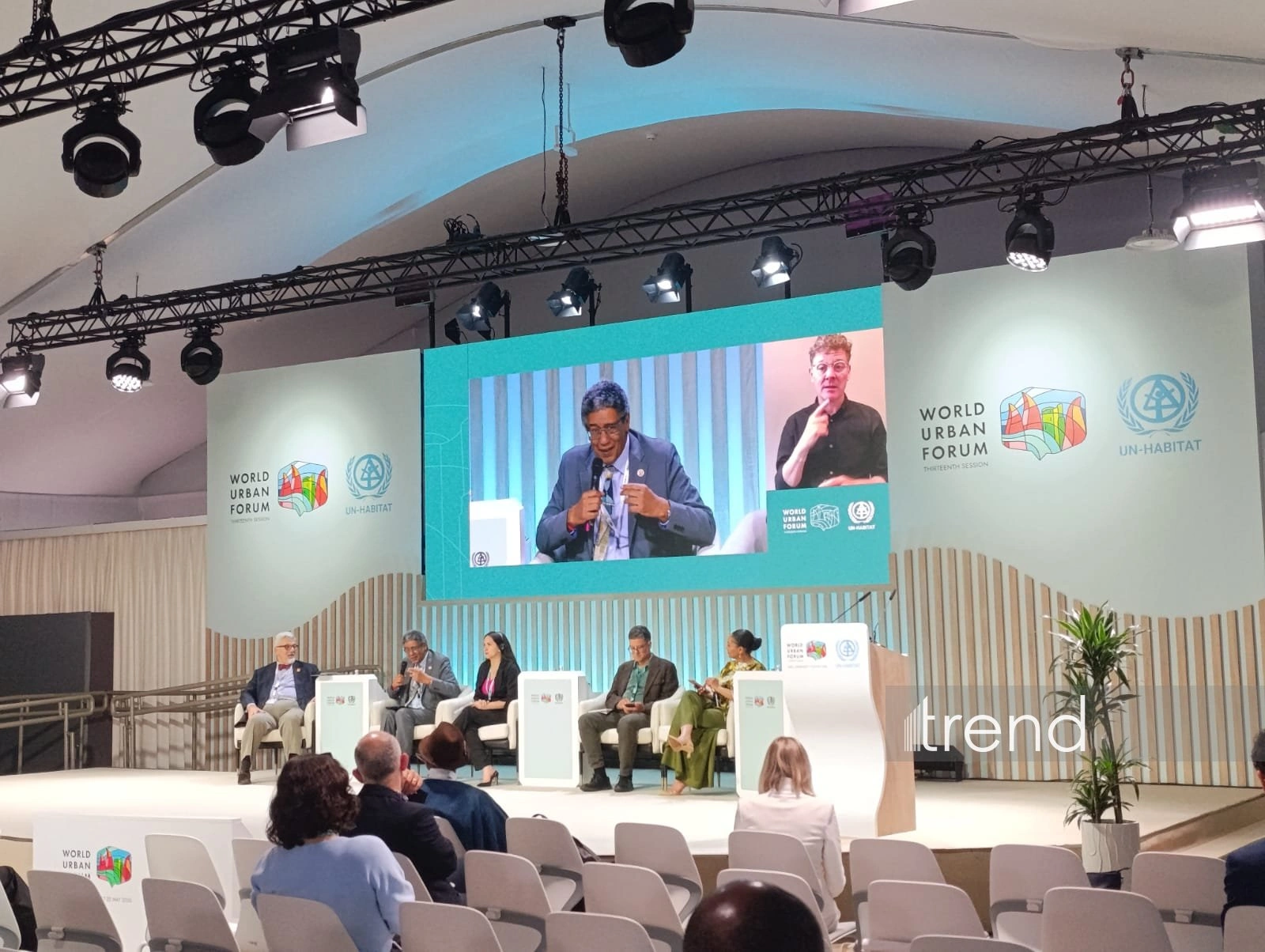
Addressing the session titled “Stories from the Climate
Frontlines” at WUF13, León Cortés Ruiz noted the importance of a
regional approach to the development and protection of the Amazon
basin.
“An approach limited to a single country is neither practical
nor sufficient,” Pedro León Cortés Ruiz emphasized.
According to him, Colombia ranks second in the world in terms of
biodiversity, yet remains extremely vulnerable to the effects of
climate change.
He emphasized that this is particularly acute in urban
settlements in the Amazon region, where biodiversity potential is
confronted with extreme weather events and the threat of
destruction to housing and infrastructure.
Pedro León Cortés Ruiz pointed out that the remoteness of many
urban centers in the Amazon creates additional challenges in waste
management and access to basic services, and climate change only
exacerbates these problems.
According to him, Colombia advocates for the inclusion of
biodiversity among the key strategies for climate action. The
voices, needs, and contributions of indigenous peoples and local
communities must be incorporated into this process.
"Urban settlements in Amazonian cities are the ideal place where
all these elements come together. That is why we are promoting the
concept of ‘biodiverse habitats’ as an approach to urban, land, and
housing policy based on the protection of water sources, respect
for indigenous peoples and local ecosystems, where the communities
themselves act as guardians and stewards of the entire process," he
said.
Today, the fourth day of the WUF13 conference is taking place in
Baku.
The first day included a ministerial meeting dedicated to the
New Urban Agenda, a ministerial roundtable, assemblies for women
and civil society, business sessions, and discussions on urban
prosperity. An official ceremony marking the raising of the UN and
Azerbaijani flags also took place.
The second day stood out for the inaugural Leaders' Summit,
featuring high-level discussions on the global housing crisis,
urbanization policy, and urban resilience. Concurrently, the
opening of the Mexico City pavilion took place, serving as a
significant platform for expanding cooperation with the Latin
American region and preparing for WUF14.
The third day of WUF13 featured a comprehensive program of
events covering the global housing crisis, the formation of safe
and inclusive cities, climate resilience, artificial intelligence
and urban governance, green urbanization, social equity, and
sustainable transport.
WUF13, which has attracted more than 40,000 registered
participants from 182 countries, will continue until May 22. Held
under the theme “Housing the world: Safe and resilient cities and
communities,” the forum brings together governments, international
organizations, experts, and representatives of civil society to
strengthen global cooperation in the field of sustainable urban
development.