BAKU, Azerbaijan, May 20. Urban spaces in
Azerbaijan transform into active public zones through sports,
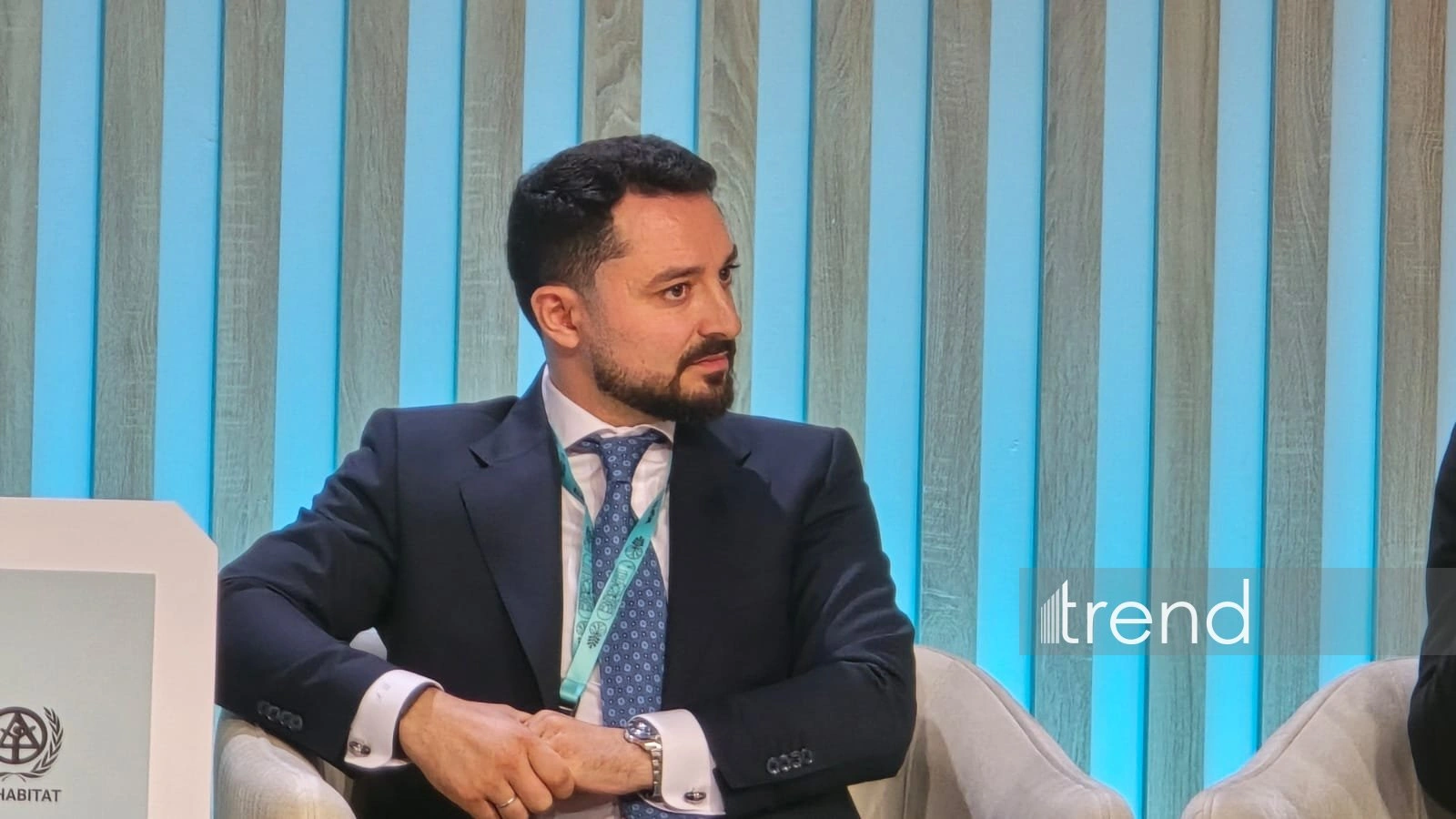
Director of the Department of External Relations of the National
Olympic Committee (NOC) Anar Baghirov said at an event "Cities as
playing fields" within the framework of the 13th session of the
World Urban Forum (WUF13) in Baku, Trend reports.
He pointed out that in many cases, cities already have enough
space and sports institutes have the necessary experience.
According to him, the main problem is not a lack of resources, but
improper coordination of existing opportunities.
Baghirov noted that three main practical directions are being
worked on to strengthen this cooperation.
"The first direction is related to improving the development of
sports.
City parks, coastal zones, and schoolyards should be used not
only as passive green spaces, but also as active public spaces. In
this planning process, city officials should consult with sports
experts and ensure the correct and effective construction of sports
infrastructure," the official explained.
However, he added that infrastructure alone isn't enough, and
these spaces need to be activated.
"At this stage, National Olympic Committees and sports
federations play an important role. They organize Olympic Day
events, mass sports competitions, and open training for young
people through their initiatives," Baghirov clarified.
He also noted that cities provide infrastructure and access,
while sports institutions shape the content, coaching staff, and
public appeal, and the private sector supports the expansion of
this process.
"In Azerbaijan, public spaces are also actively used through
Olympic Day and community sports events, and thousands of young
people are involved in this process every year. At the same time,
educational and development projects for young athletes and coaches
are implemented within the framework of Olympic Solidarity
programs, which ensures the sustainability of the initiatives," he
said.
In conclusion, Baghirov emphasized that when cities and sports
institutions start working together, not in parallel, but together,
sport becomes not just an event, but an everyday part of city
life.
Today marks the fourth day of WUF13 in Baku.
The first day included a ministerial meeting dedicated to the
New Urban Agenda, a ministerial roundtable, assemblies for women
and civil society, business sessions, and discussions on urban
prosperity. An official ceremony marking the raising of the UN and
Azerbaijani flags also took place.
The second day stood out for the inaugural Leaders' Summit,
featuring high-level discussions on the global housing crisis,
urbanization policy, and urban resilience. Concurrently, the
opening of the Mexico City pavilion took place, serving as a
significant platform for expanding cooperation with the Latin
American region and preparing for WUF14.
The third day of WUF13 featured a comprehensive program of
events covering the global housing crisis, the formation of safe
and inclusive cities, climate resilience, artificial intelligence
and urban governance, green urbanization, social equity, and
sustainable transport.
WUF13, which has attracted more than 40,000 registered
participants from 182 countries, will continue until May 22. Held
under the theme “Housing the world: Safe and resilient cities and
communities,” the forum brings together governments, international
organizations, experts, and representatives of civil society to
strengthen global cooperation in the field of sustainable urban
development.