BAKU, Azerbaijan, May 20. Cultural heritage is
a valuable asset, and it must be taken into account in both
cultural and economic projects; furthermore, during urban
redevelopment, cities must preserve their appearance, character,
and identity, the State Secretary for Housing at the Ministry of
National Territorial Planning, Urban Planning, Housing, and Urban
Policy of Morocco, Adib Benbrahim, said, Trend reports.
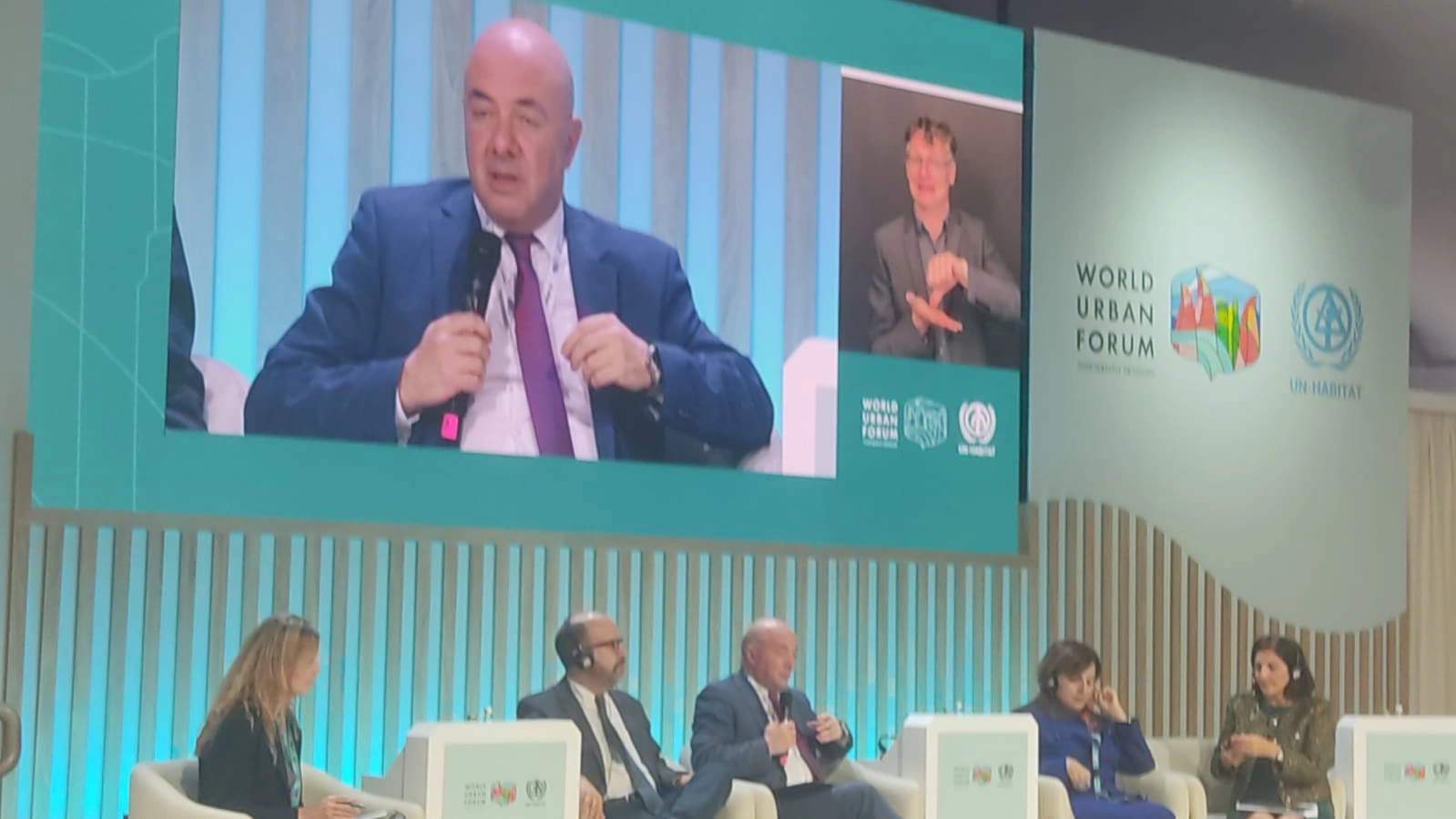
Speaking at the event “Rethinking Cultural Heritage and
Inclusive Urban Regeneration,” organized as part of the 13th World
Urban Forum in Baku, Adib Benbrahim emphasized that it is necessary
to implement projects aimed at strengthening employment and
improving social well-being:
“It is necessary to protect the identity of the city and the
neighborhood. If a building is demolished and rebuilt, this process
must also be carefully planned, taking into account its historical
and social value.
Sometimes it is necessary to relocate people from their
residential areas, but this is a very complex and costly process,
both socially and economically. Within the framework of centralized
approaches to urban planning, numerous initiatives have been
proposed on these issues. We have also implemented 92 planning
projects related to building restoration. Urban regeneration means
more than just renovating the city. It means restoring old
neighborhoods, preserving the city’s historical value, and adapting
it to modern requirements. When renovating buildings, their
historical significance and cultural value must be taken into
account,” he added.
Today, the fourth day of the WUF13 conference is taking place in
Baku.
The first day included a ministerial meeting dedicated to the
New Urban Agenda, a ministerial roundtable, assemblies for women
and civil society, business sessions, and discussions on urban
prosperity. An official ceremony marking the raising of the UN and
Azerbaijani flags also took place.
The second day stood out for the inaugural Leaders' Summit,
featuring high-level discussions on the global housing crisis,
urbanization policy, and urban resilience. Concurrently, the
opening of the Mexico City pavilion took place, serving as a
significant platform for expanding cooperation with the Latin
American region and preparing for WUF14.
The third day of WUF13 featured a comprehensive program of
events covering the global housing crisis, the formation of safe
and inclusive cities, climate resilience, artificial intelligence
and urban governance, green urbanization, social equity, and
sustainable transport.
WUF13, which has attracted more than 40,000 registered
participants from 182 countries, will continue until May 22. Held
under the theme “Housing the world: Safe and resilient cities and
communities,” the forum brings together governments, international
organizations, experts, and representatives of civil society to
strengthen global cooperation in the field of sustainable urban
development.