BAKU, Azerbaijan, May 20. A new urban
development module, City Track, is being launched as part of the
Special Program for the Economies of Central Asia (SPECA), Dmitry
Mariyasin, Deputy Executive Secretary of the United Nations
Economic Commission for Europe (UNECE), said, Trend reports.
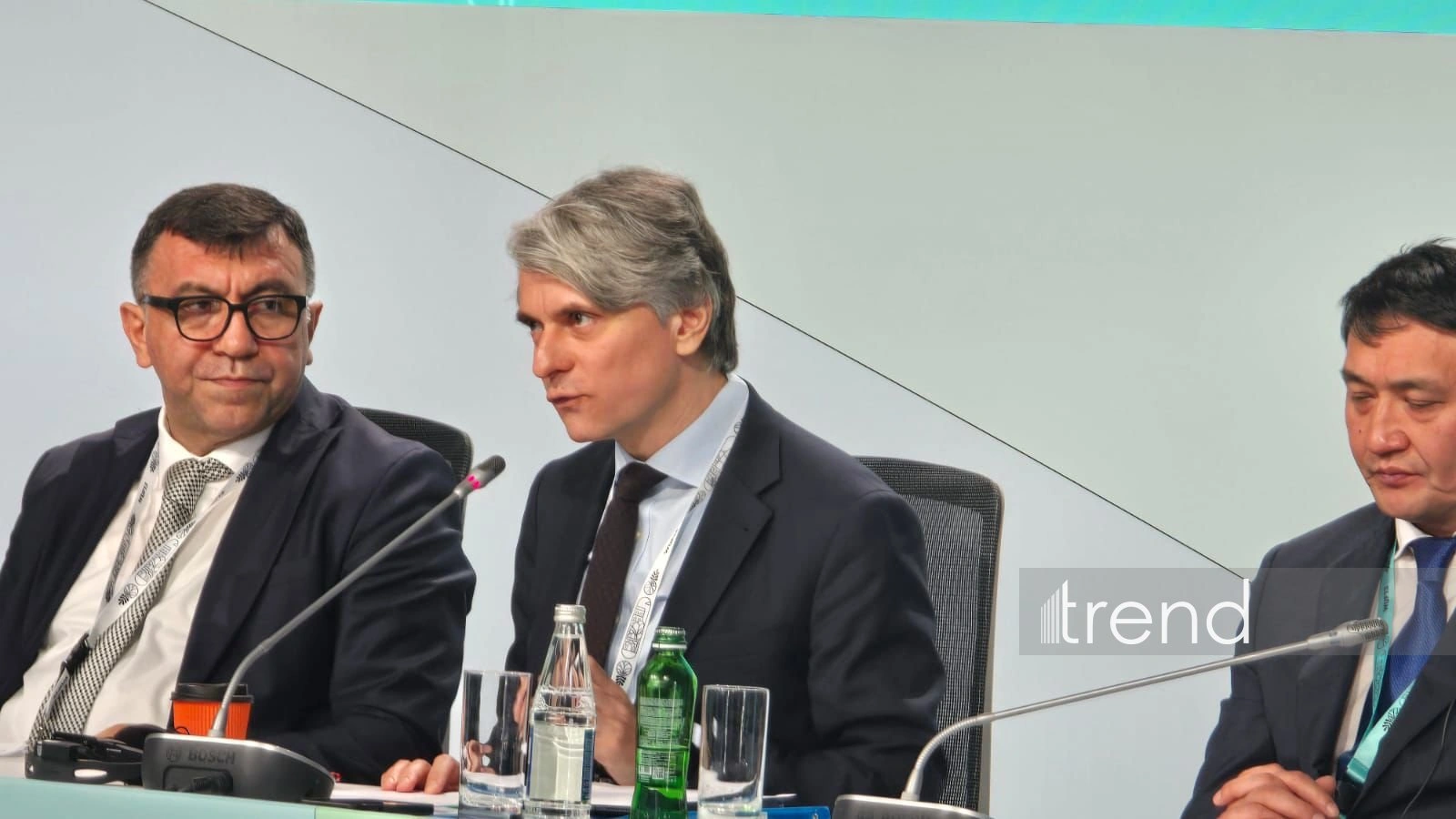
Speaking at the SPECA Cities Forum, held as part of the 13th
World Urban Forum in Baku, Mariyasin noted that the decision to
relaunch SPECA as a practical platform for regional cooperation was
made about three years ago at the summit in Baku.
According to him, progress has since been made in developing the
Middle Corridor and establishing the SPECA Fund’s financial
mechanism.
Mariyasin emphasized that the new City Track has become the
third key element in the process of revitalizing the program and
was previously introduced for the first time in a “soft launch”
format at COP29 in Baku.
He noted that cities in the Central Asia and South Caucasus
region face common challenges, including rapid urbanization,
pressure on housing systems, outdated infrastructure, climate
risks, traffic congestion, energy efficiency, and air quality.
“The sustainable development of transport and trade corridors is
impossible without the sustainability of key urban hubs located
along these routes,” he noted.
He also announced the preparation of a joint project with
UN-Habitat aimed at developing sustainable and “smart” cities in
Central Asia. The initiative includes support for urban planning,
the development of practical solutions, training, and data
analysis.
In addition, Dmitry Mariyasin called on SPECA member cities to
participate more actively in the mechanism for voluntary local
reviews on the achievement of the Sustainable Development Goals,
noting their role in shaping national policy and international
cooperation.
Today, the fourth day of the WUF13 conference is taking place in
Baku.
The first day included a ministerial meeting dedicated to the
New Urban Agenda, a ministerial roundtable, assemblies for women
and civil society, business sessions, and discussions on urban
prosperity. An official ceremony marking the raising of the UN and
Azerbaijani flags also took place.
The second day stood out for the inaugural Leaders' Summit,
featuring high-level discussions on the global housing crisis,
urbanization policy, and urban resilience. Concurrently, the
opening of the Mexico City pavilion took place, serving as a
significant platform for expanding cooperation with the Latin
American region and preparing for WUF14.
The third day of WUF13 featured a comprehensive program of
events covering the global housing crisis, the formation of safe
and inclusive cities, climate resilience, artificial intelligence
and urban governance, green urbanization, social equity, and
sustainable transport.
WUF13, which has attracted more than 40,000 registered
participants from 182 countries, will continue until May 22. Held
under the theme “Housing the world: Safe and resilient cities and
communities,” the forum brings together governments, international
organizations, experts, and representatives of civil society to
strengthen global cooperation in the field of sustainable urban
development.