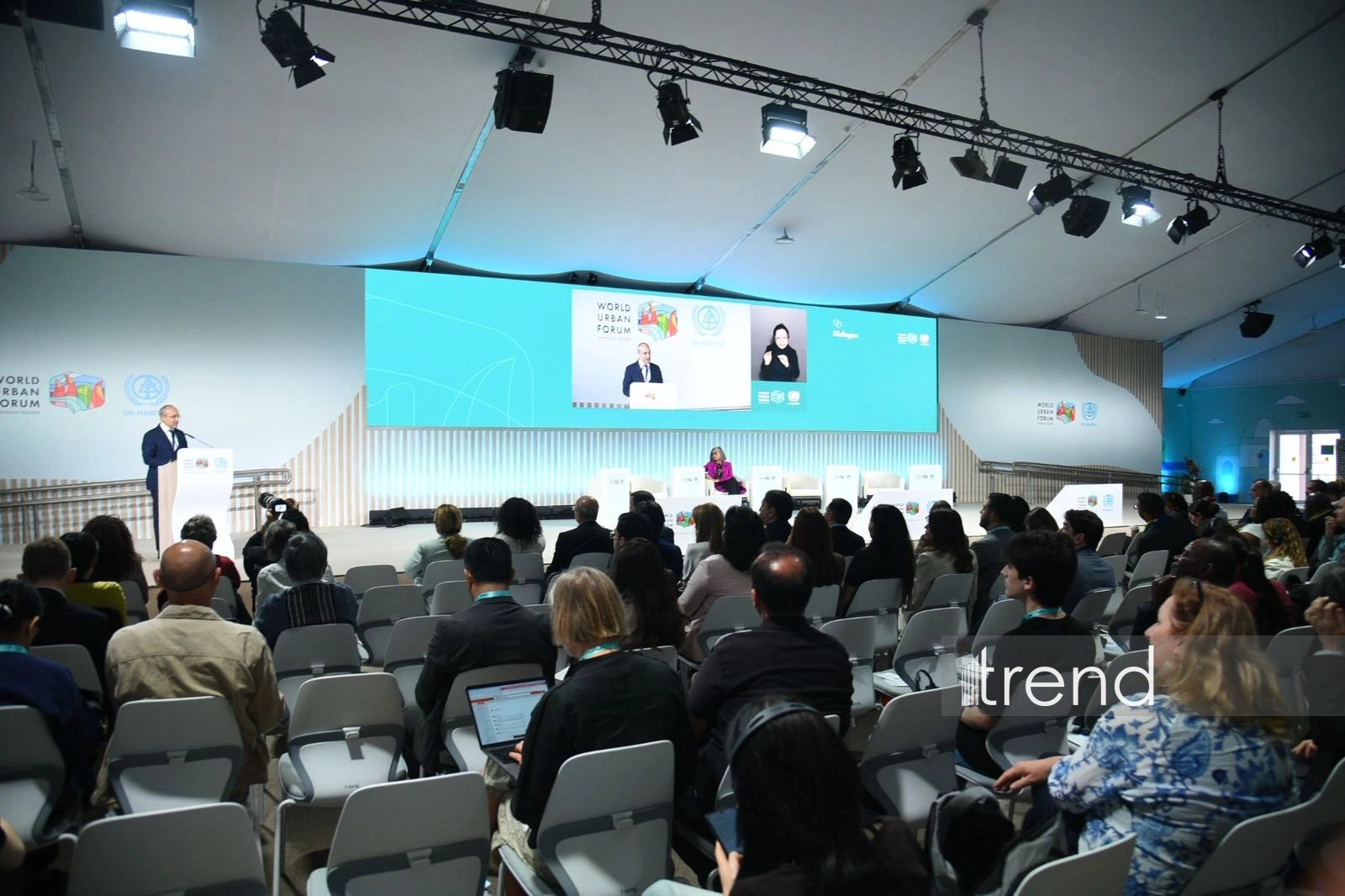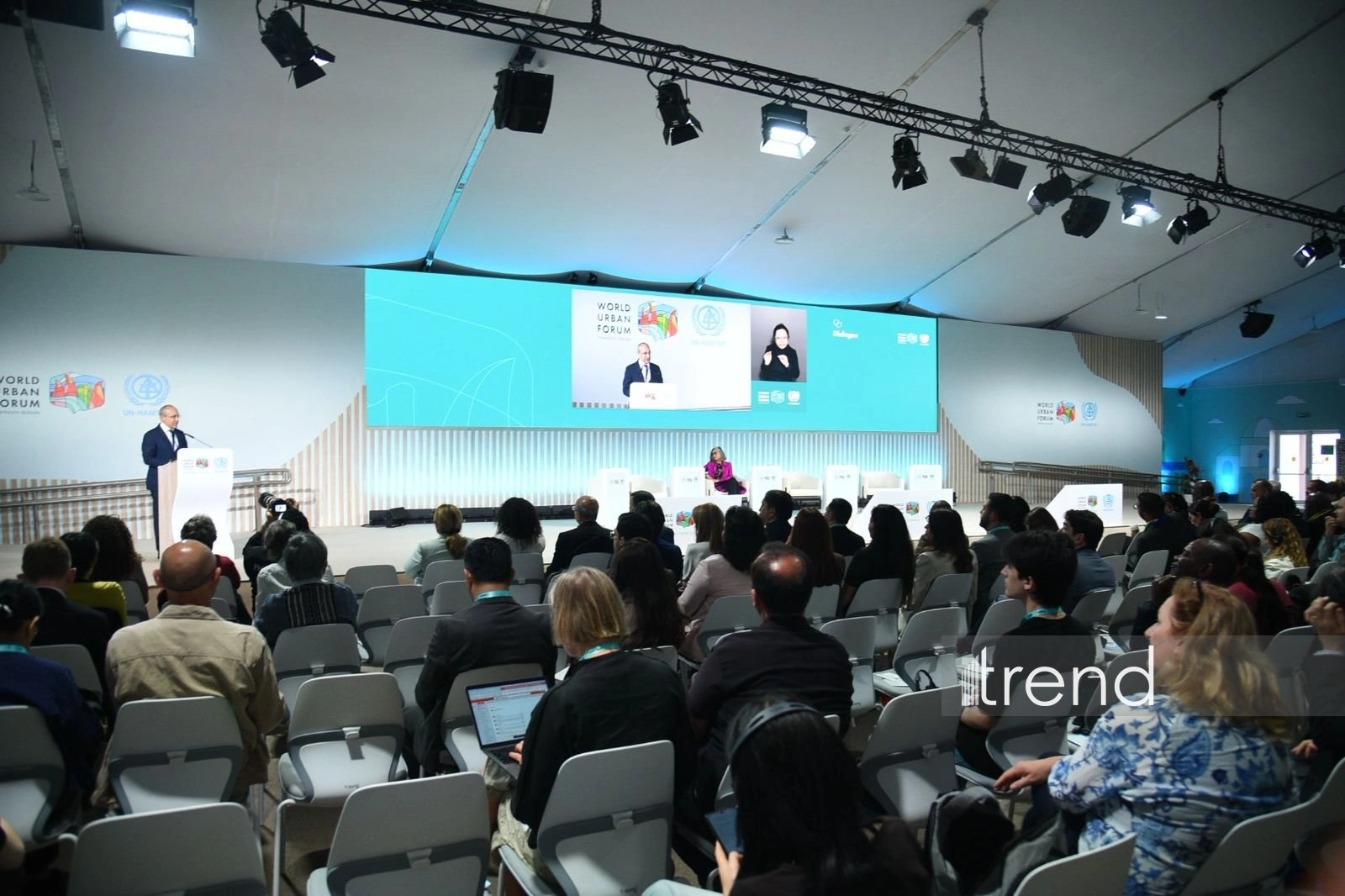
BAKU, Azerbaijan, May 20. An event entitled
"Transforming Informal Settlements and Slums for Housingthe World"
has been held within the framework of the 13th session of the World
Forum of Cities (WUF13) in Baku, Trend reports.
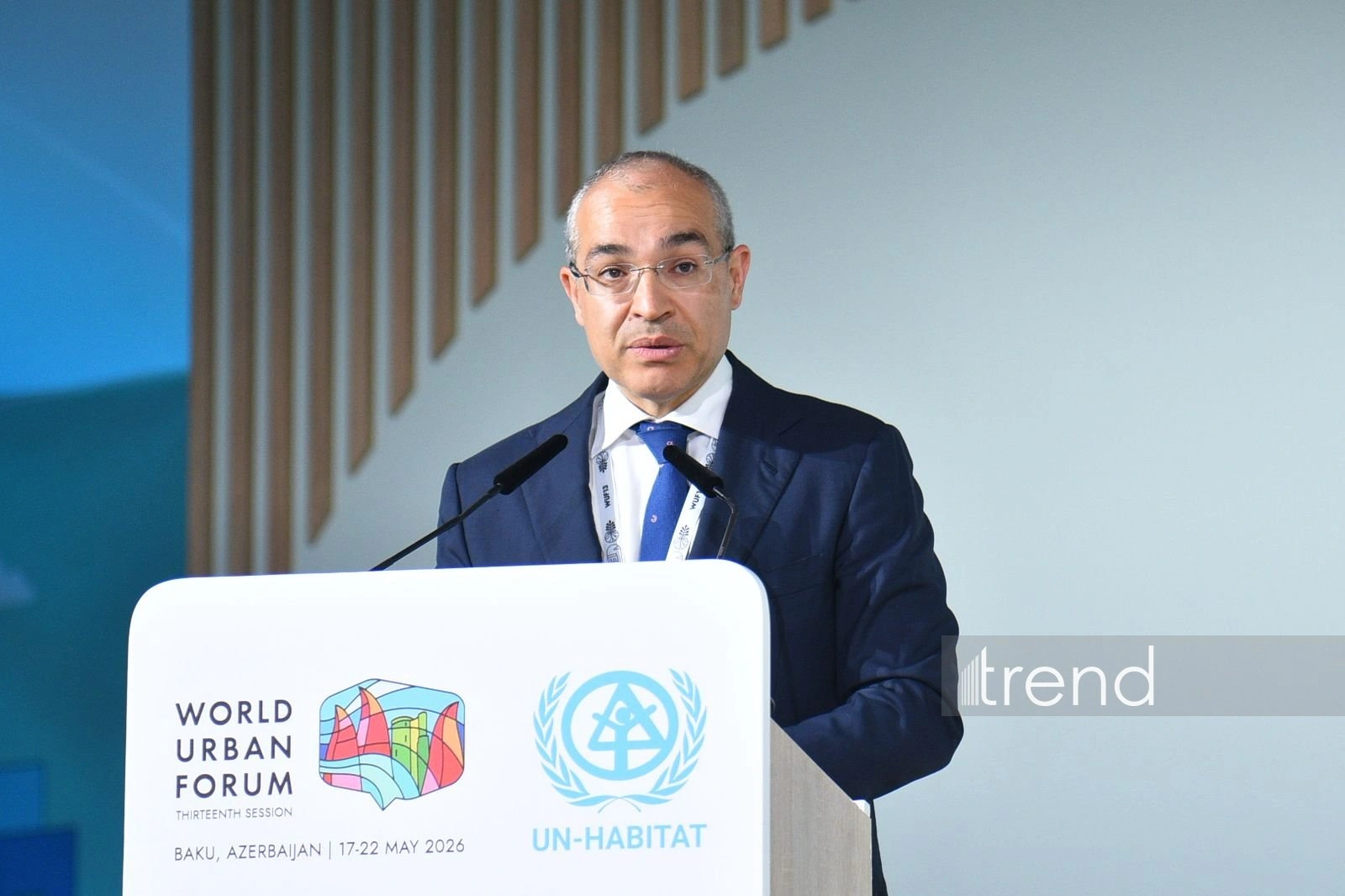
Speaking at the event, the Azerbaijani Minister of Economy
Mikayil Jabbarov said that during the Soviet period, informal
settlements (slums) existed to some extent, but weren't recognized
by the state. According to him, since 2003, a process of
stabilization began in the country's economy.
"The period from 2003 through 2020 was the next stage of
development. Since 2020, the Great Return process has begun.
Large-scale construction and restoration work is being carried out
in the liberated territories," he explained.
The minister also noted that the gradual return of the
population to the liberated territories of Azerbaijan has a
significant impact on reducing the burden on housing provision in
the country.
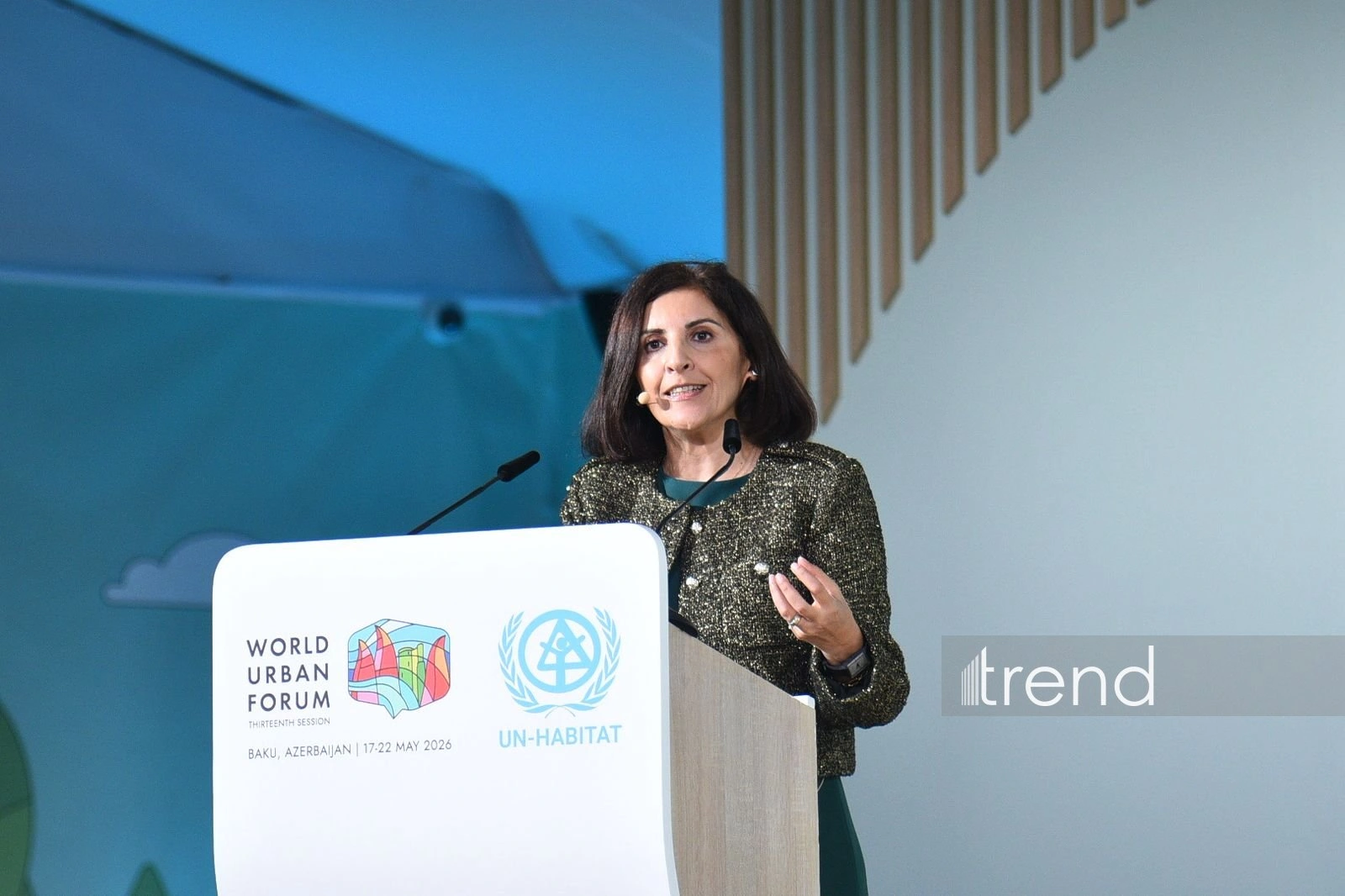
Meanwhile, Executive Director of the United Nations Human
Settlements Program (UN-Habitat) Anacláudia Rossbach spoke about
the recommendation document prepared for the transformation of
slums. She said that the Open Working Group on the transformation
of informal settlements, together with member states, is currently
led by Azerbaijan and Somalia.
"Previously, it was led by China and France. Certain policy
recommendations have been prepared regarding the transformation of
informal settlements. The first issue is the importance of
recognition, data, and statistics. If we do not have the right
data, we cannot track the SDG 11.1 target. It is very important to
officially recognize these areas at the city level, at the national
level, and by statistical agencies," Rossbach explained.
She stressed that when people in the Global South arrive in
cities, they see informal settlements as a gateway to access
education, health, jobs, and other opportunities.
"The social and ecological function of these spaces must also be
taken into account. Occupying these lands is often their only
option, and if these settlements have already formed, we need to
develop them where they are.
The second message is about integration. We need integrated
solutions. All sectors need to work together here," the official
added.
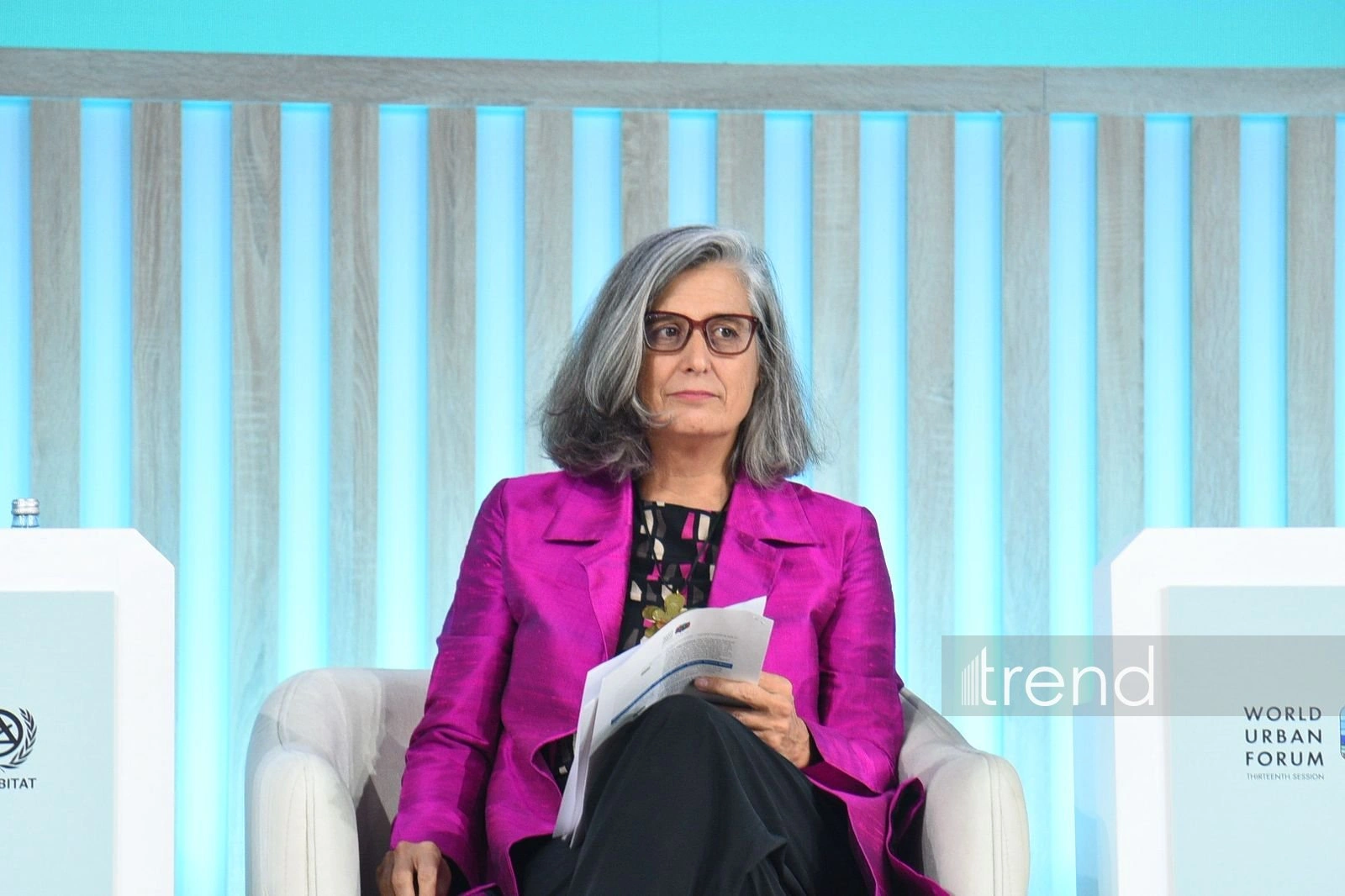
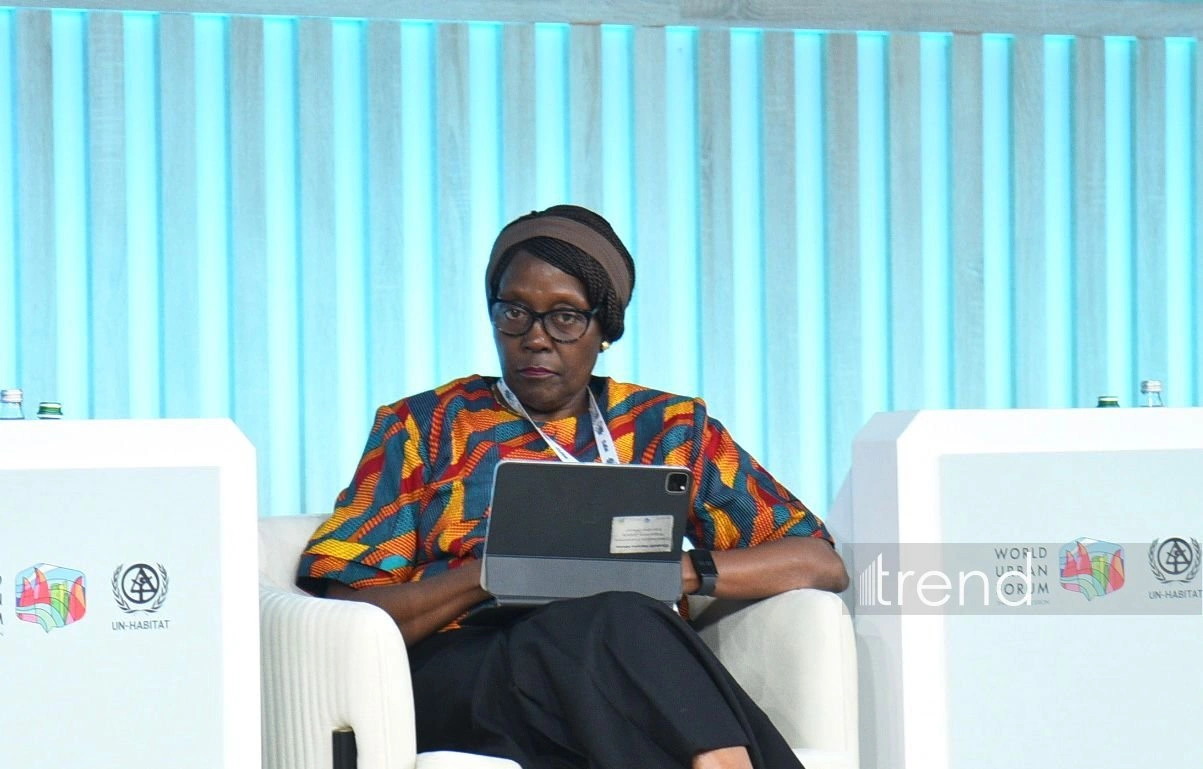
Marie Huchzermeyer, a professor at the School of Architecture at
the University of the Witwatersrand in South Africa, said that
informal settlements in cities such as São Paulo, Guangzhou, and
Baku have filled an unmet housing need, including for construction
workers.
"Many cities have failed to sufficiently expand their affordable
housing stock and basic services, so these areas have become a
place for the lower and middle classes to live. Informal
settlements are extremely complex and diverse. They are shaped by
parallel systems of management, services, and rental markets," she
explained.
The professor noted that in some countries, the rental market in
these settlements is controlled by small landlords, as well as
large investors and even criminal groups.
"This leads to the exploitation of poor families. We need to
find ways to address this," she said.
Today marks the fourth day of WUF13 in Baku.
The first day included a ministerial meeting dedicated to the
New Urban Agenda, a ministerial roundtable, assemblies for women
and civil society, business sessions, and discussions on urban
prosperity. An official ceremony marking the raising of the UN and
Azerbaijani flags also took place.
The second day stood out for the inaugural Leaders' Summit,
featuring high-level discussions on the global housing crisis,
urbanization policy, and urban resilience. Concurrently, the
opening of the Mexico City pavilion took place, serving as a
significant platform for expanding cooperation with the Latin
American region and preparing for WUF14.
The third day of WUF13 featured a comprehensive program of
events covering the global housing crisis, the formation of safe
and inclusive cities, climate resilience, artificial intelligence
and urban governance, green urbanization, social equity, and
sustainable transport.
WUF13, which has attracted more than 40,000 registered
participants from 182 countries, will continue until May 22. Held
under the theme “Housing the world: Safe and resilient cities and
communities,” the forum brings together governments, international
organizations, experts, and representatives of civil society to
strengthen global cooperation in the field of sustainable urban
development.