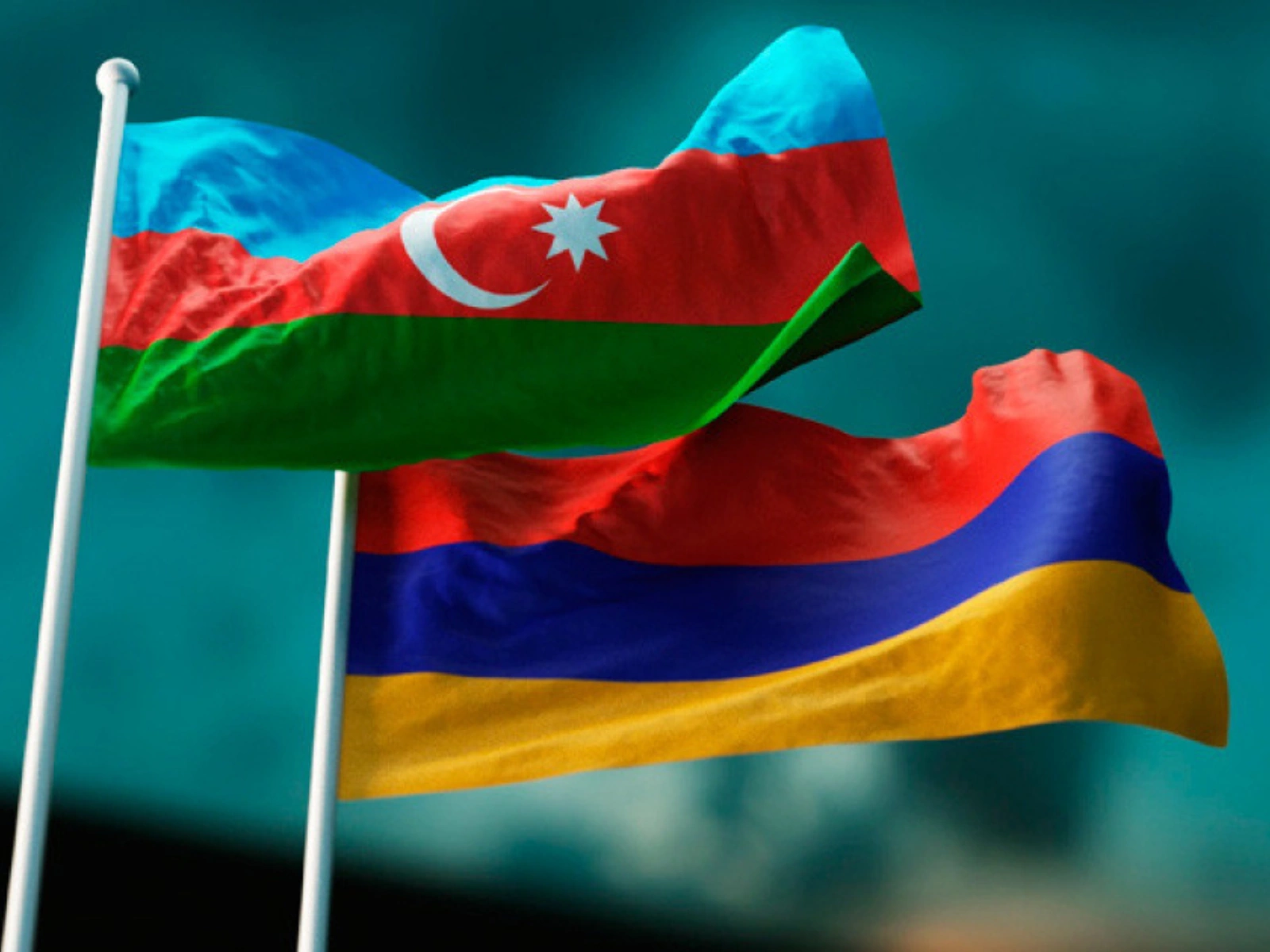
BAKU, Azerbaijan, May 2. Attempts are being
made to use all means, including the services of their henchmen in
foreign parliaments, several city mayors, and individuals currently
or formerly holding specific offices, to strike a blow to the
ongoing fragile peace process between Armenia and Azerbaijan and to
damage interstate relations, says the statement of the Temporary
Commission of the Milli Majlis (Parliament) against Foreign
Interference and Hybrid Threats, Trend reports.
"During monitoring conducted within its mandate, The Temporary
Commission of the Milli Majlis (Parliament) against Foreign
Interference and Hybrid Threats has observed a disinformation
campaign in recent days targeting Azerbaijan, as well as the peace
agenda between Armenia and Azerbaijan.
Investigations revealed that the campaign is being conducted in
a targeted manner and around a unified thesis by Armenian lobby
organizations operating in various countries, foreign citizens
holding certain influence and positions, as well as media
outlets.
Adopting a different tactic this time, Armenian lobby
organizations have carried out the smear campaign by creating hype
around several issues, including the so-called 'genocide,'
'prisoners of war,' and structures in the city of Khankendi. At the
same time, facts have been uncovered showing that participants were
provided with talking points via private channels, email, and
encrypted messaging platforms to prevent the coordination of the
campaign from becoming obvious.
Armenian lobby organizations based in the US, Europe, and Russia
have stood out for their particular activity in this campaign.
An analysis of the campaign on the 'X' (formerly Twitter) social
media platform over the past week showed that more than 220 posts
were made via 130 different accounts, recording a total of nearly
one million interactions (reactions). The posts were primarily made
from the accounts of bloggers of Armenian origin, Armenian news
sites, and pro-Armenian foreign bloggers and activists.
Furthermore, articles based on similar theses appeared in a
number of less influential online media outlets located in the
following foreign countries: the U.S., United Kingdom, Belgium,
Poland, Italy, Mexico, Spain, Georgia, Israel, Vatican City,
Greece, India, Russia, Armenia, and others," the statement
reads.