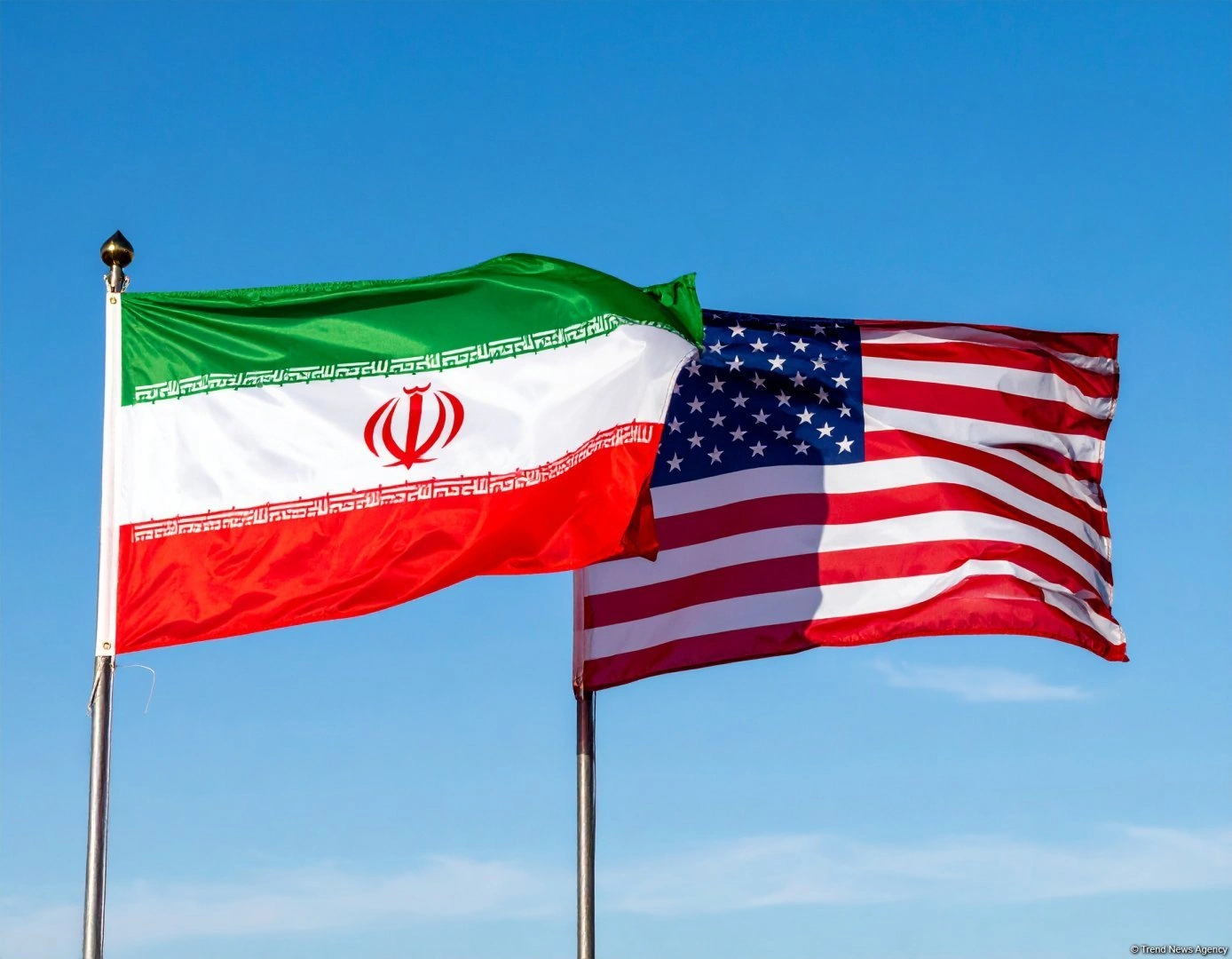
BAKU, Azerbaijan, November 4. Over the past 50
years, November 4 has acquired particular significance in relations
between Iran and the United States. Numerous events and
developments involving the Islamic Republic of Iran and the United
States have been associated with this date. In Iran, November 4 is
marked on the calendar as the National Day of Fighting Global
Arrogance. Historical events involving Iran and the United States
are particularly prominent on this day. Interestingly, the defeat
of Republicans by their Democratic rivals in elections to both
chambers of the US Congress on November 4 has created a particular
atmosphere in Iran.
The first high-level reaction in Iran to the US elections came
from Parliament Speaker Mohammad Bagher Ghalibaf, who led the
Iranian negotiating delegation at the Islamabad talks. In a post on
X, he said that Americans had said "no" to war and that Iran
supported this position. He also noted that Iran would respond if
the US government betrayed the will of its own people.
A number of other Iranian officials subsequently issued
statements. Gholam-Hossein Mohseni-Eje'i, Chief Justice of Iran,
one of the country's three main branches of government, also wrote
on X that the US president had lost both the war and the political
battle. Iran, he said, would demonstrate further defeats for the
United States. This is only the beginning.
Iran's new Supreme Leader, Ayatollah Seyyed Mojtaba Khamenei,
took a somewhat different approach to the US elections. He said
that those who hoped a change of party or conduct, or the granting
of any concessions to the United States, would lead Washington to
abandon its hostility toward Iran were mistaken.
"Iran's imposition of control over the Strait of Hormuz and its
attacks on US military bases in countries across the region were
intended as a response to US attacks. At the same time, this is
considered the first war against the United States at the regional
level. If attacks against Iran are repeated, their scale will be
much broader and greater," he said.
Now, let us turn to the main question: how likely are further
attacks against Iran following the US elections? More broadly, what
direction will relations between Iran and the United States
take?
Both sides - the United States and Iran - have serious
reservations about negotiations, reaching an agreement and ensuring
that it is implemented and not abandoned. Each side seeks to blame
the other for the lack of progress.
In recent months, alongside Pakistan and Qatar, Russia and China
have also become increasingly active in matters related to Iran's
nuclear program, the Strait of Hormuz, the Persian Gulf and broader
regional developments. Visits by Iranian officials to both Russia
and China, the Russian foreign minister's trip to Tehran and other
exchanges indicate that regional actors are in favour of ending the
war. Both Iran and the United States have put forward demands, but
they have been unable to find common ground on these issues for at
least the past year and a half. As a result, attacks against Iran
began, prompting Tehran to launch strikes against the other side's
positions.
It can be assumed that major international players will seek to
reduce tensions in the region by promoting an agreement similar to
the 2015 nuclear deal, or one that incorporates the demands and
concessions of both sides. The fate of more than 400 kilograms of
uranium enriched by Iran to 60% is among the issues most frequently
raised by the United States and the International Atomic Energy
Agency.
At present, diplomatic exchanges between Iran and the United
States are continuing through Qatar's mediation. As far as is
known, neither side intends to back down from the conditions it has
put forward. While it may seem unreasonable to expect Iran to have
confidence in diplomatic efforts when the United States has taken
no practical steps, serious proposals from China and Russia could
help Tehran place greater trust in the diplomatic process.
The meeting in Tehran of the parties to the Mecca Pact should
also be taken into account. Pakistan, Saudi Arabia and Türkiye are
seeking to reduce regional tensions, depending on Iran's approach
to this regional agreement.
From an economic perspective, the situation appears highly
tense. The Strait of Hormuz, which once served as a route for the
transportation of 15% of the world's energy supplies, along with
other essential commodities, is now under threat. This is clearly
unacceptable to any of the parties involved.
A large share of Iran's trade is conducted through its southern
ports. The naval and air blockade is having a negative impact on
the country's trade. Despite the economic and trade restrictions it
faces, Iran remains unwilling to back down from its position in the
face of the United States. The United States, meanwhile, is also
facing certain difficulties as energy prices rise.
Taking all these developments and circumstances into account,
the current picture suggests that the likelihood of a further
escalation and a new outbreak of war in the near future is quite
low.
However, it should not be forgotten that UN Security Council
Resolution 2231, adopted in 2015, is no longer in force. The six
resolutions that preceded it, along with the extensive sanctions
imposed on Iran over its nuclear program, have been reinstated.
This signals that unless the parties reach an agreement in the near
future, war and tensions could flare up again.