BAKU, Azerbaijan, April 30. Solar panels with a
combined capacity exceeding 7,000 kW have been installed in the
liberated territories of Azerbaijan, Trend reports via the Ministry of Energy of
Azerbaijan.
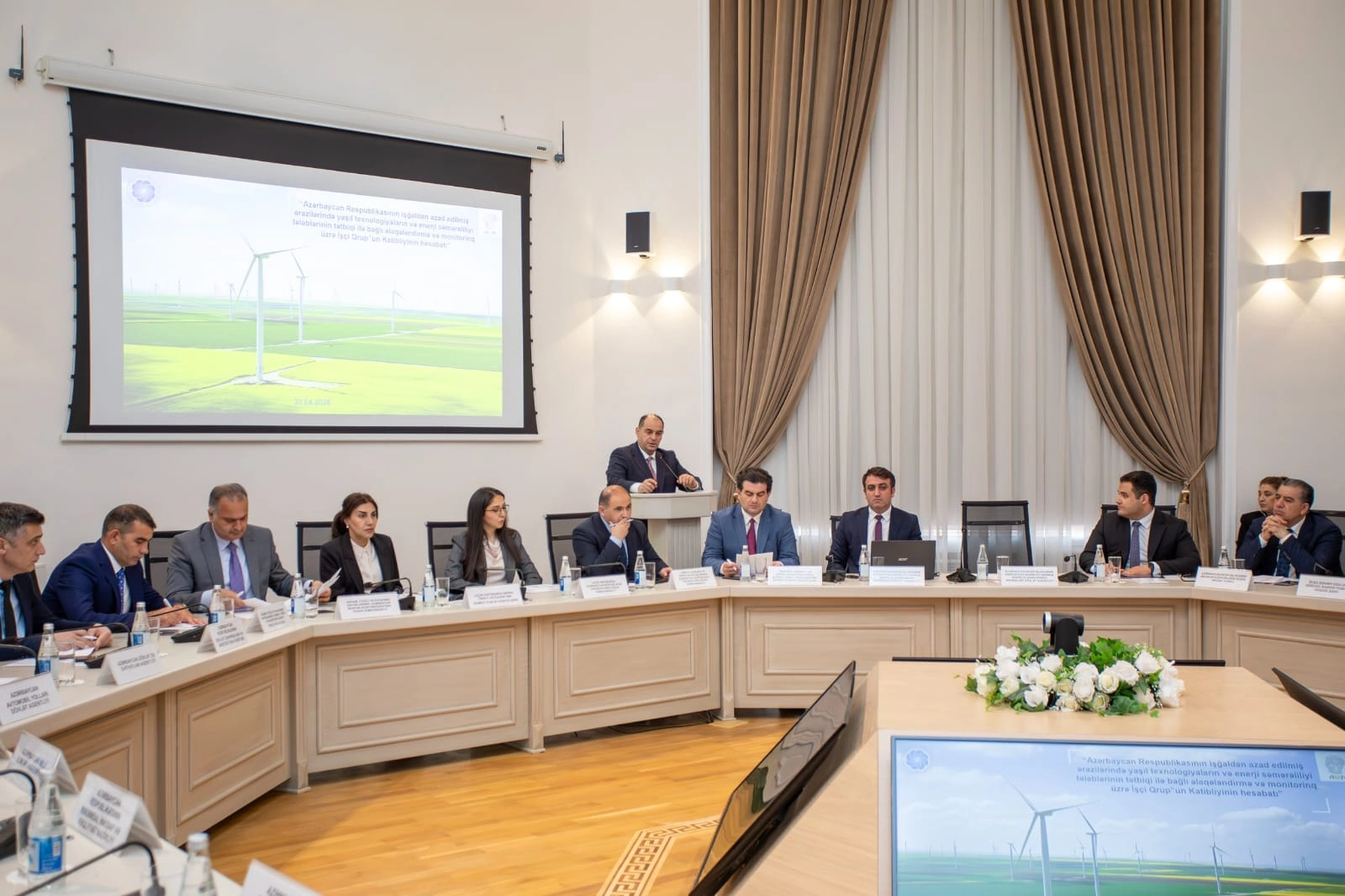
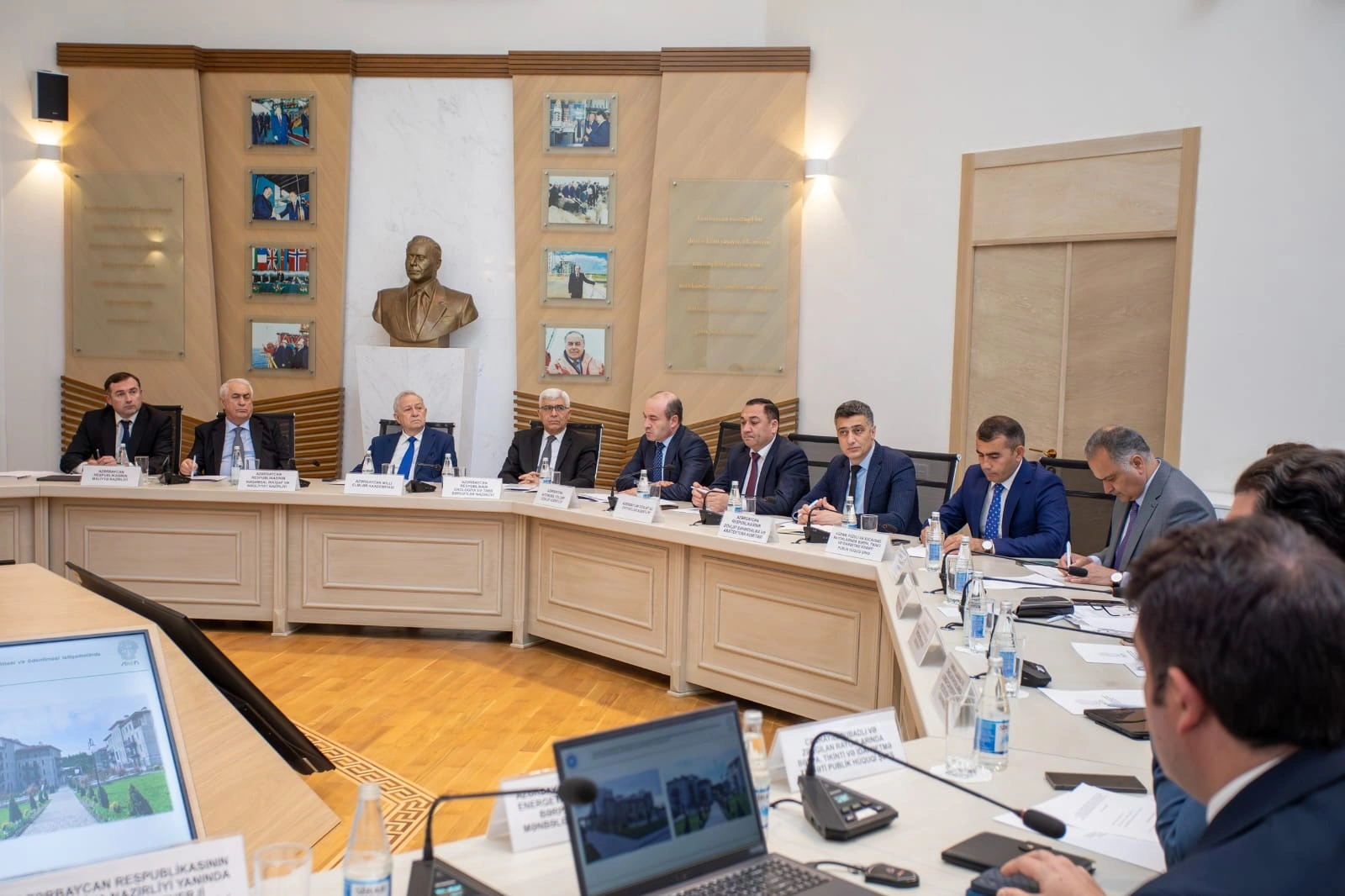
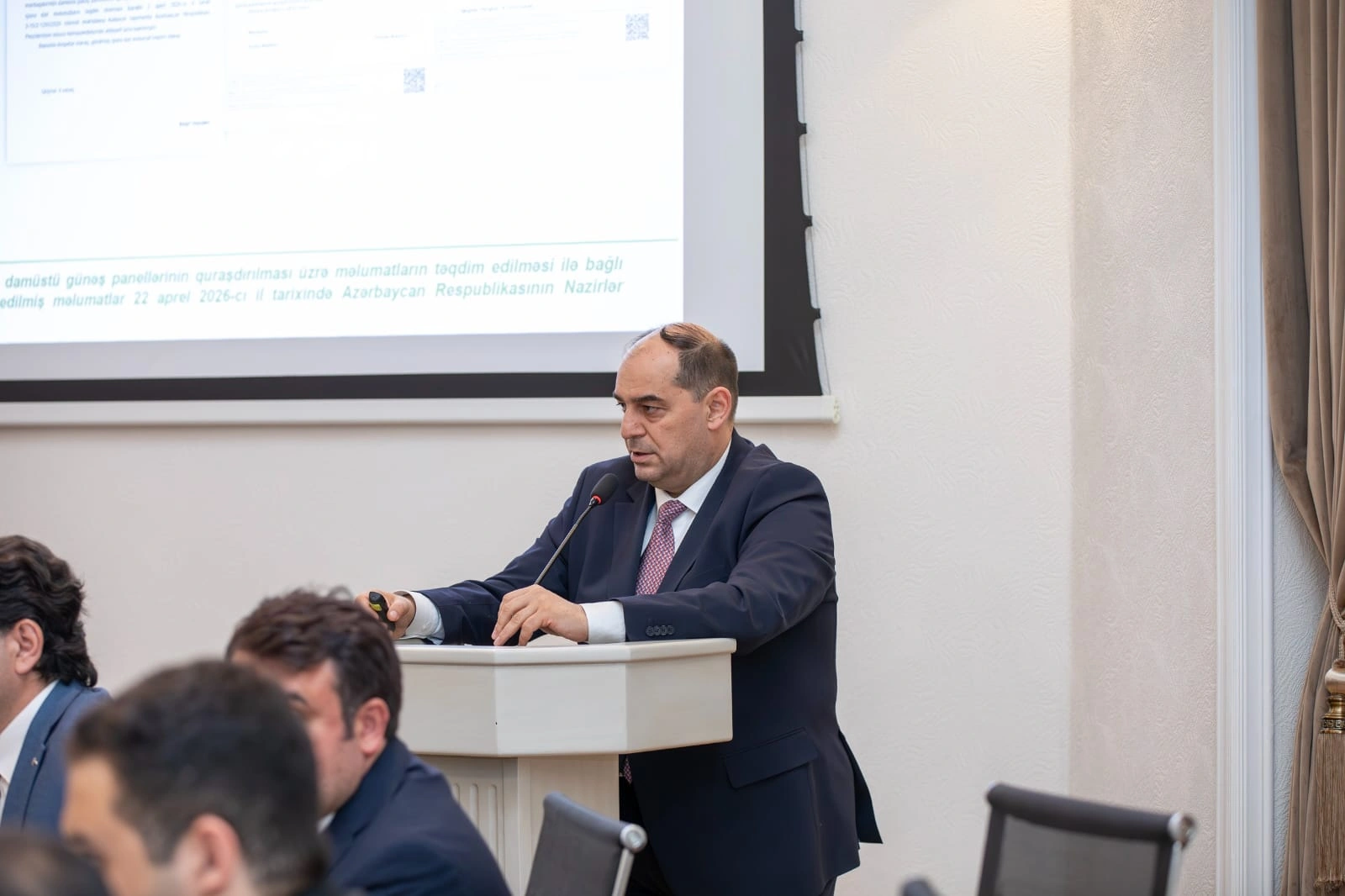
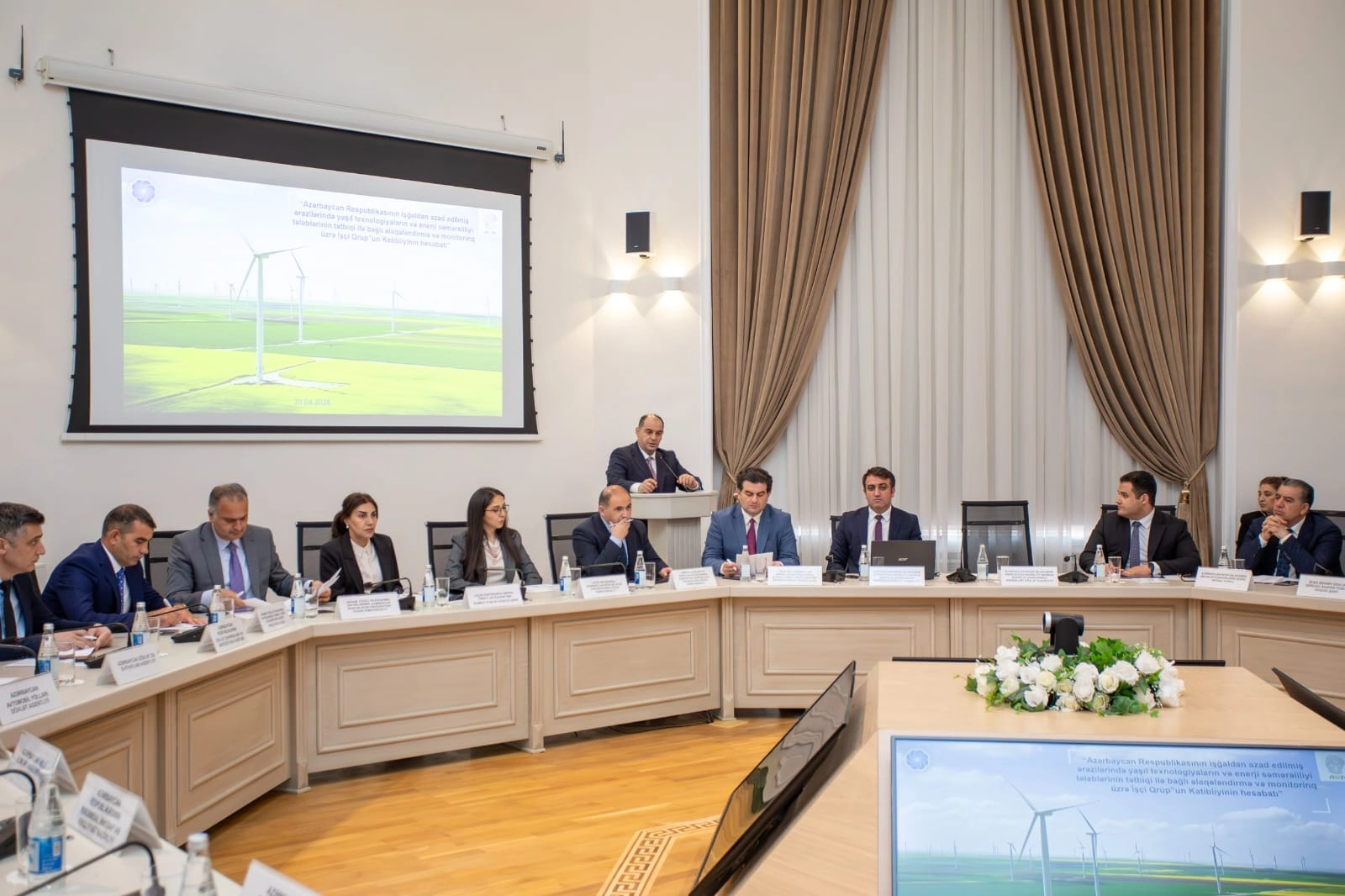
This statement was made by Deputy Minister of Energy Orkhan
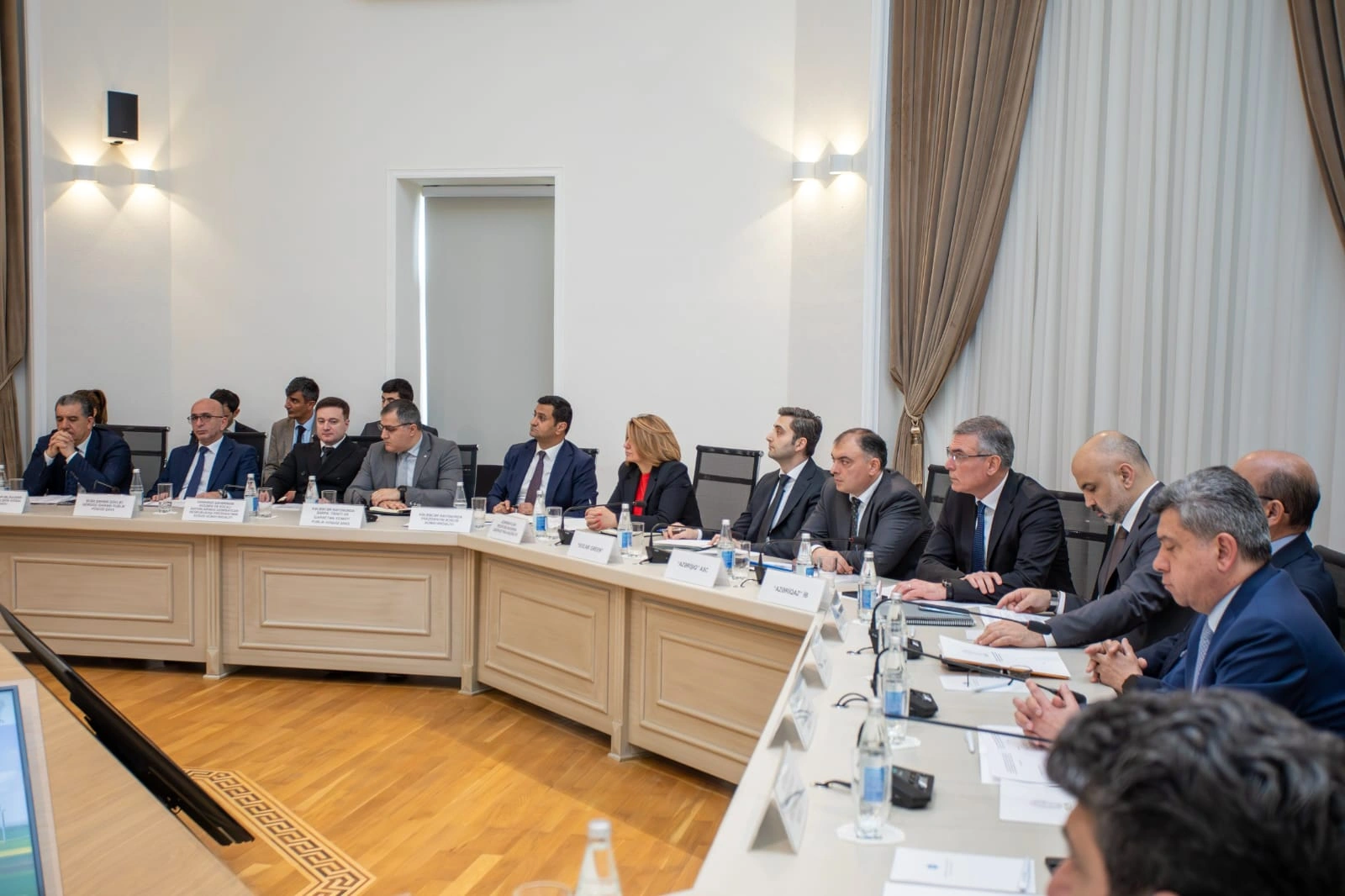
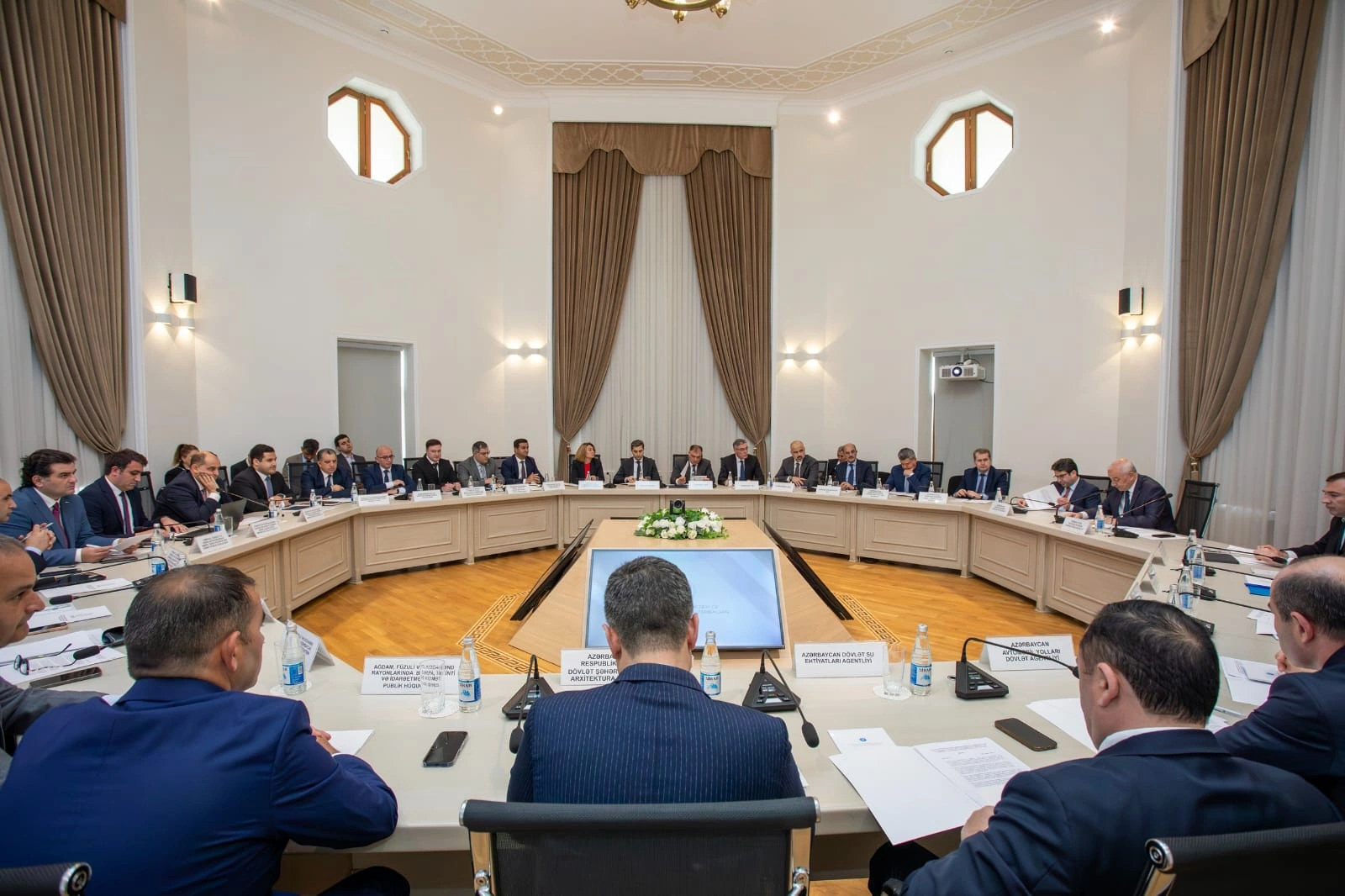
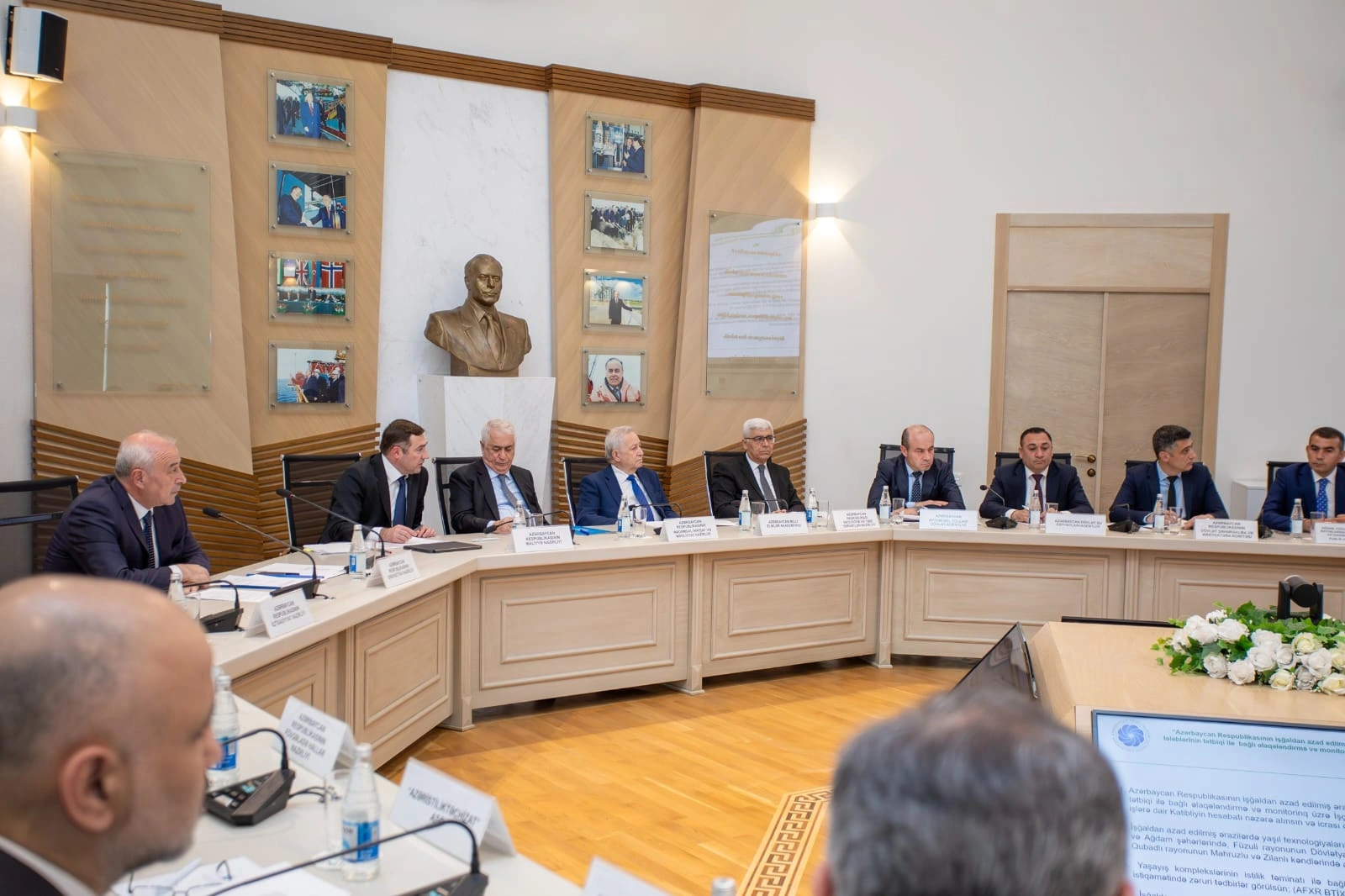
Zeynalov during the 12th meeting of the Working Group on
Coordination and Monitoring of the Application of Green
Technologies and Energy Efficiency in the Liberated
Territories.
The Deputy Minister provided information on large-scale
restoration and construction activities being implemented in the
liberated territories in accordance with the relevant directives
and instructions of President Ilham Aliyev.
Updates were presented regarding settlements and social
infrastructure, including energy facilities, that have been
commissioned or whose construction has been initiated since the
previous meeting. In particular, it was noted that construction of
the substation at the “Shafag” Solar Power Station in Jabrayil has
been completed, and the installation of solar panels has commenced
as part of the deployment of green energy technologies.
Implementation is also continuing on the “Shams” and “Ufug”
solar power projects, each with a capacity of 50 MW, while
measurement and observation activities are ongoing in preparation
for the construction of a 240 MW wind power plant in Kalbajar.
The Working Group also reviewed reports on the implementation of
previous decisions and the outcomes of monitoring activities
related to green technologies and energy efficiency. These
assessments covered the cities of Zangilan and Kalbajar, as well as
the villages of Mammadbayli and Jahangirbayli in Zangilan district;
Horovlu, Soltanli, and Shukurbayli in Jabrayil district; Zar in
Kalbajar district; and Sugovushan, Chapar, Hasanriz, Vengli, and
Kolatağ in Aghdara district.
The meeting further addressed the current status of rooftop
solar installations and the registration process for citizens as
“active consumers.” To date, solar panels with a total capacity
exceeding 7,000 kW, along with more than 7,000 LED lighting
devices, have been installed in approximately 2,000 private
residences and public buildings in the liberated territories.
Around 40 percent of these lighting devices (approximately 3,000
units) are hybrid systems powered by solar energy. The Working
Group also discussed gas and heating supply to residential
complexes and agreed on the implementation of the proposed
measures.