BAKU, Azerbaijan, April 20. Azerbaijan and
Central Asian countries are developing a new model of geoeconomic
cooperation that is gradually moving beyond traditional bilateral
ties and emerging as an independent driver of regional
development.
In this evolving framework, Azerbaijan is increasingly
positioning itself as a key transportation hub linking the economic
interests of East and West, as President Ilham Aliyev has
emphasized. The initiative is being shaped through coordinated
participation across the wider region.
Recent trends show that cooperation is no longer defined solely
by growing trade volumes, but by a broader restructuring of
economic partnerships. Regional states are prioritizing the
synchronization of transport corridors and the elimination of
infrastructure bottlenecks.
Within this context, Kazakhstan is advancing several major
infrastructure projects, including the modernization of the Aktau
and Kuryk ports, the construction of additional railway tracks, and
a new rail line bypassing Almaty. These initiatives are designed to
accelerate cargo flows and reduce logistics costs.
A central element of this emerging system is the Trans-Caspian
International Transport Route, which requires an estimated $18
billion in investment. Joint regional efforts are aimed at
strengthening its role as a reliable alternative to other Eurasian
transit corridors.
In this configuration, Azerbaijan is no longer functioning
solely as a transit country. Instead, it is increasingly acting as
a value-adding participant in regional supply chains. Expansion of
port infrastructure, railway networks, and digital logistics
systems is helping transform the country into a multifunctional
logistics hub, opening new opportunities for cargo handling and
investment cooperation.
Intergovernmental coordination is also deepening, with dialogue
becoming more structured. Regional partners are working toward
aligning strategies, standardizing procedures, and developing
long-term cooperation mechanisms. Energy cooperation remains a key
pillar, with emphasis on diversifying export routes and improving
supply stability.
Industrial cooperation is gaining momentum as well. The launch
of joint production facilities and expanded technological exchange
are laying the groundwork for deeper economic integration. This
approach is intended to gradually reduce reliance on raw material
exports and support the development of processing industries across
the region.
At the same time, greater attention is being paid to
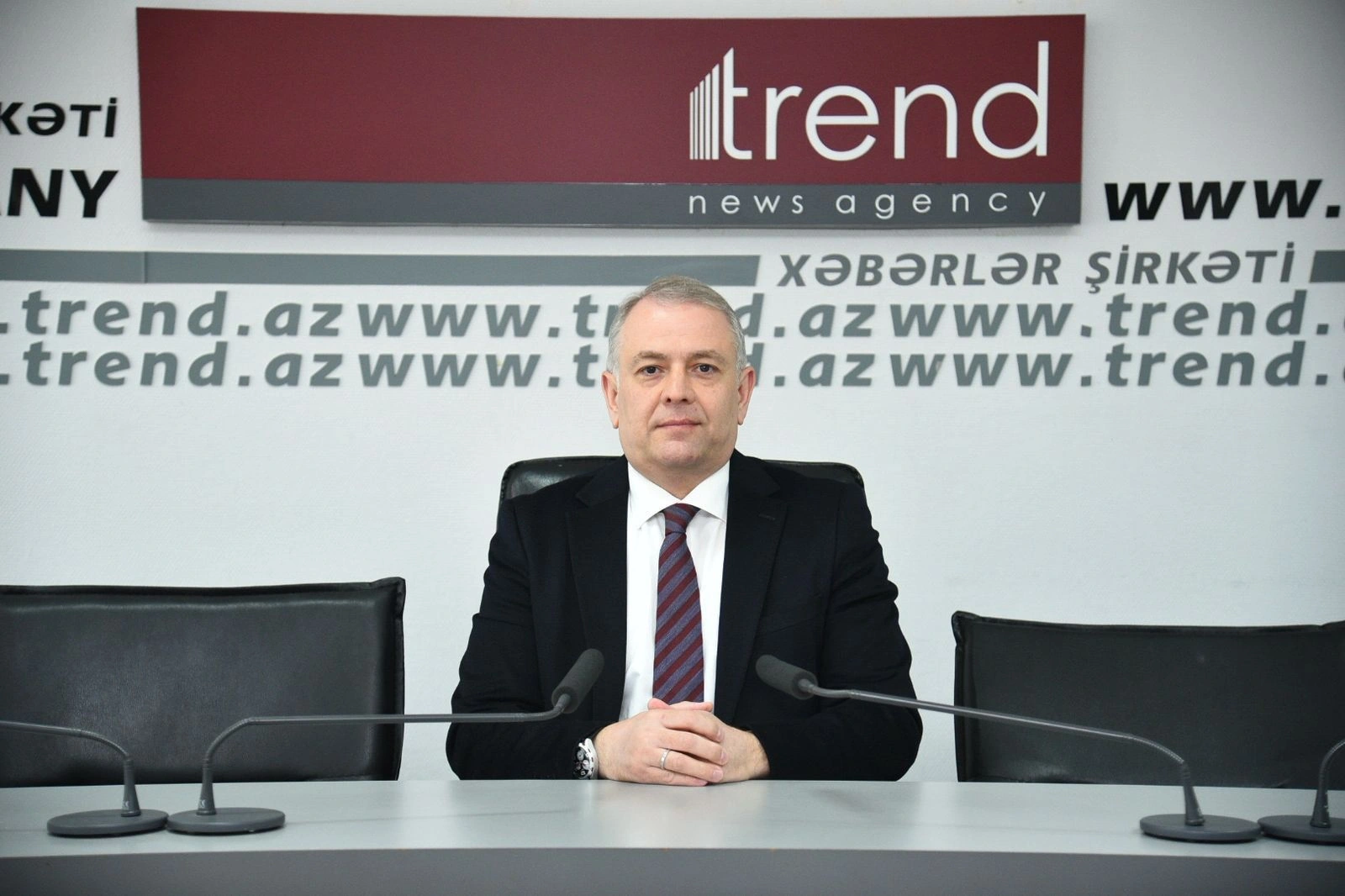
humanitarian and information cooperation. The Trend News
Agency has been highlighted as a platform for strengthening media
collaboration among regional states. A recent meeting between
representatives of Kazakhstan and the agency’s leadership
underscored mutual interest in expanding media partnerships,
content exchange, and communication channels.
The emerging cooperation model points to the formation of a new
center of economic activity in Eurasia. Due to its geographic
location and consistent foreign economic policy, Azerbaijan
continues to serve as a critical connecting link in this
system.
As competition for logistics routes and investment resources
intensifies, deeper cooperation between Azerbaijan and Central
Asian countries is expected to play an increasingly decisive role.
If current trends continue, the region is likely to strengthen its
position within the global economic architecture and become a key
artery of international trade.