BAKU, Azerbaijan, March 24. The blockade of the
Strait of Hormuz against the backdrop of the Iranian war will make
the situation even more dire in countries whose populations suffer
most from hunger, including Sudan, South Sudan, Afghanistan, Yemen,
and Somalia, said Executive Director of the UN Office for Project
Services, Jorge Moreira da Silva, Trend reports.
According to him, the consequences of the rising tensions in the
Middle East "go far beyond the borders of the countries affected by
the conflict."
The expert pointed out that the developing countries in Asia and
Africa will bear the brunt of the blockade of the Strait of
Hormuz.
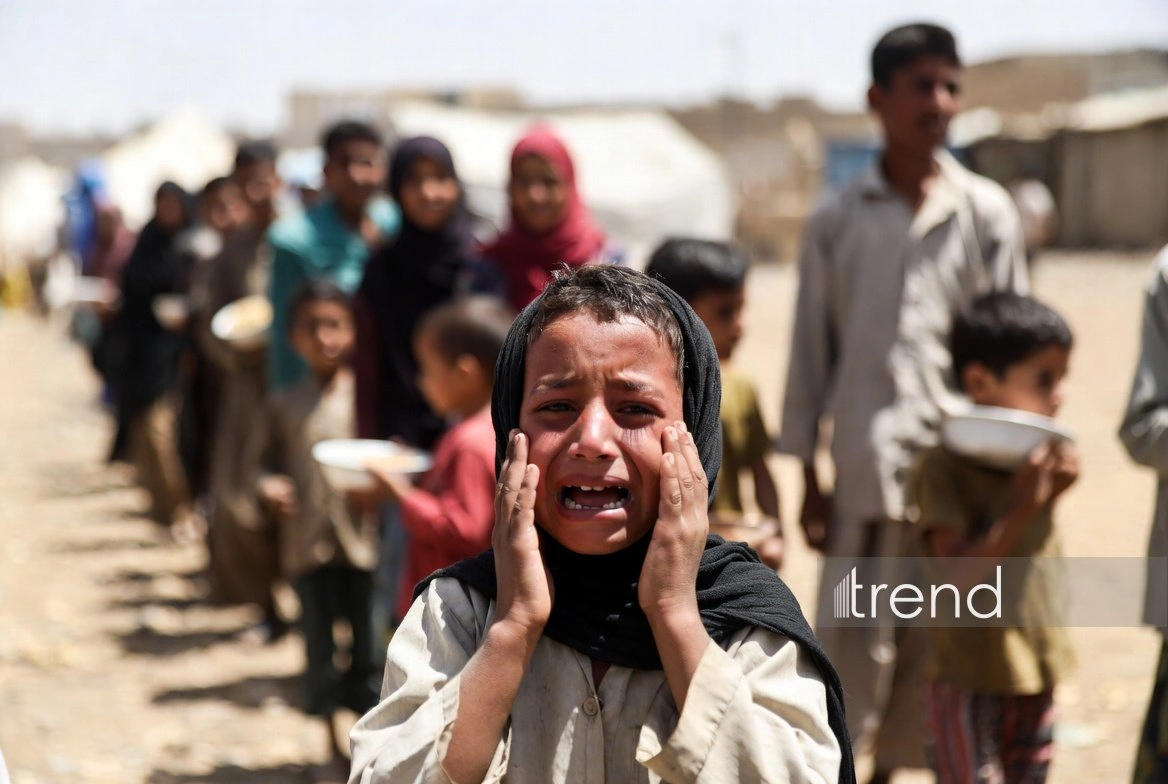
"Disruptions in the Strait of Hormuz endanger the supply of
energy resources. This affects the fertilizer market and threatens
food security in countries with the highest levels of hunger or
food insecurity, including Sudan, South Sudan, Afghanistan, Yemen,
and Somalia," he added.
Since no concrete agreement was reached in negotiations between
the United States and Iran over the nuclear program, the U.S. and
Israel began military airstrikes against Iran on February 28. In
response, Iran launched missile and drone attacks on Israel and
U.S. military facilities located in countries across the region,
starting the same day.
On the first day of the air strikes against Iran, Iran’s Supreme
Leader Ayatollah Seyyed Ali Khamenei and several high-ranking
military officials were killed. On March 8, Iran’s Assembly of
Experts elected Seyyed Mojtaba Khamenei as Iran’s third Supreme
Leader by majority vote.
From March 1 through March 5, the confrontation expanded
further, affecting several countries across the Middle East.
The ongoing conflict has significantly threatened the region’s
energy infrastructure and maritime transport. Oil prices have
surged on global markets due to heightened security tensions around
the Strait of Hormuz, prompting several countries to advise their
citizens to leave the region.
Stay up-to-date with more news on Trend News
Agency's WhatsApp channel