BAKU, Azerbaijan, July 29. Iran plans to
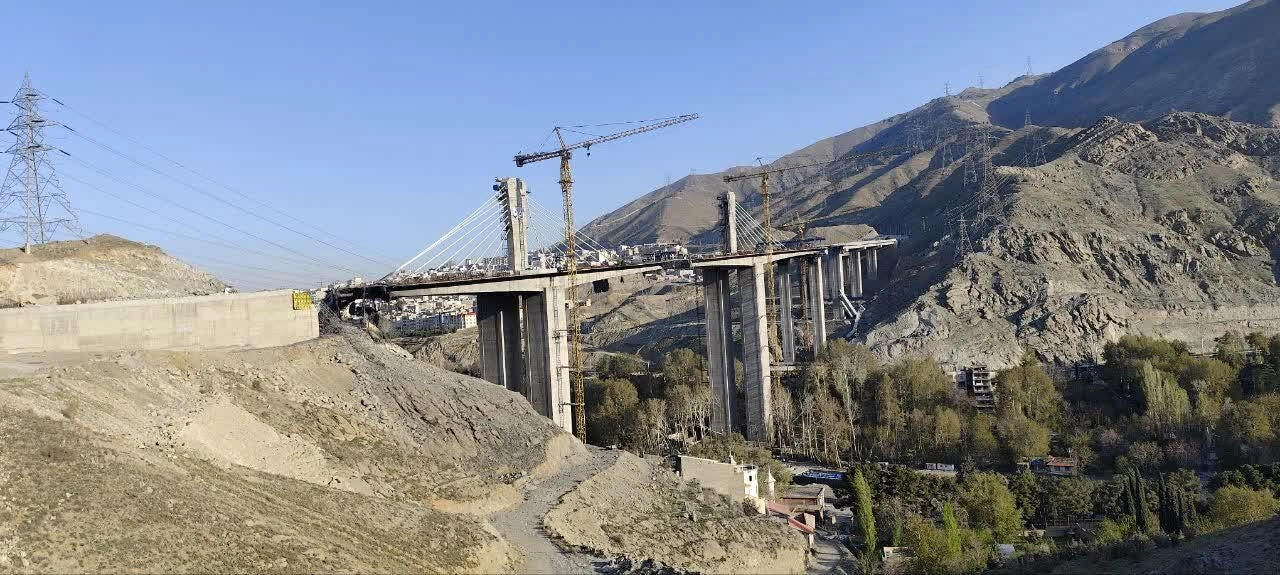
restore and reopen the “B1” bridge in Karaj, Alborz Province, which
was damaged in U.S. and Israeli airstrikes on April 2, within less
than a year, Ammar Izadyar, an official with the Karaj City Islamic
Council, said.
Speaking at the Council meeting he noted that the reconstruction
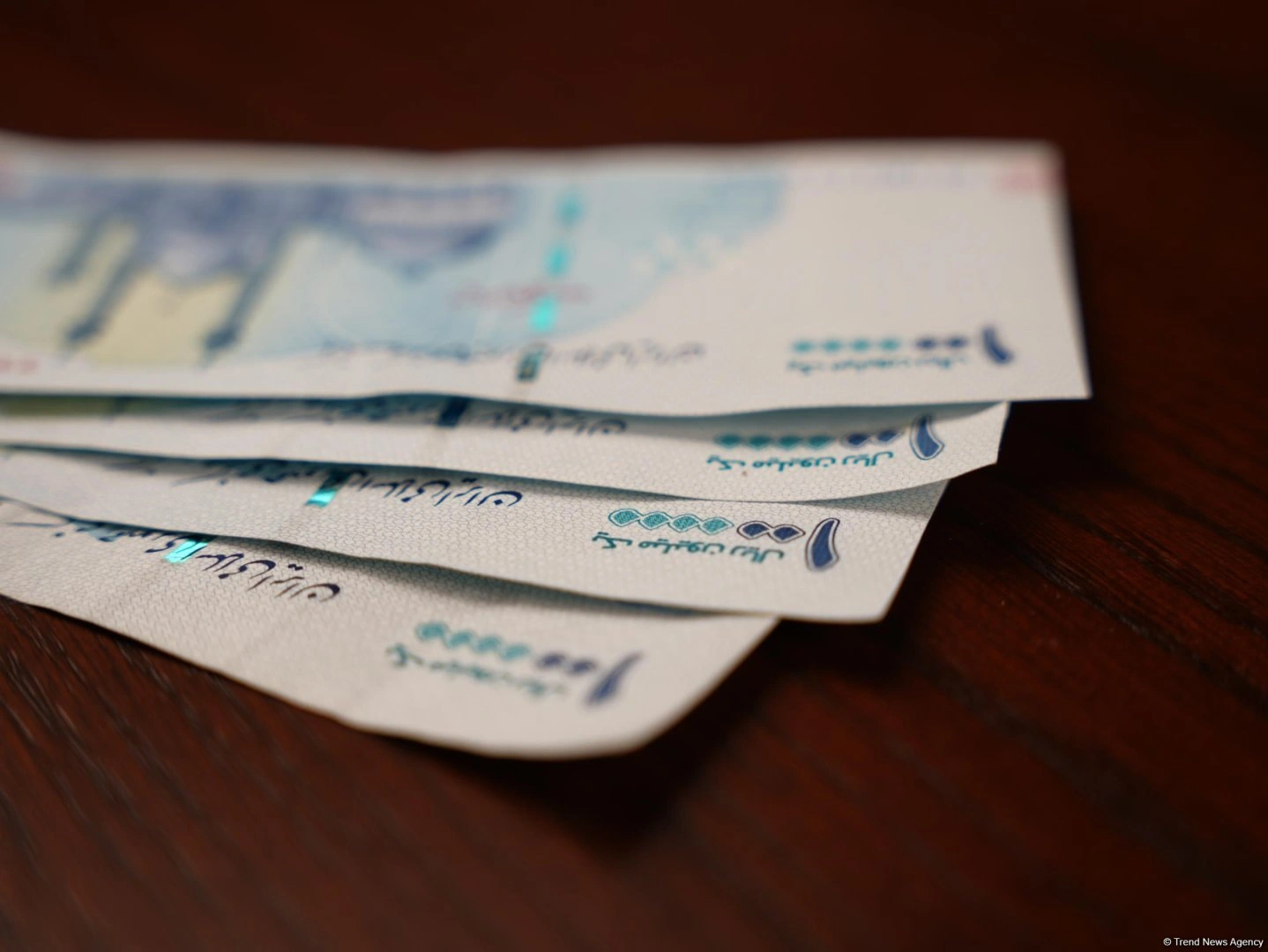
project is expected to require around 30 trillion rials
(approximately $20.6 million).
“Once the financing agreement is finalized, the bridge is
expected to be restored and reopened within less than a year,” he
said.
Izadyar said the reconstruction would involve certain structural
modifications, including the use of steel components. He added that
the bridge’s main supports remained intact following the strikes,
while only two pillars suffered minor damage that can be
repaired.
The Iranian official also said that a section of the northern
highway extending to the Karaj–Qazvin motorway is expected to be
completed by the end of the current year.
According to Iranian authorities, the “B1” bridge was previously
considered the largest bridge in the Middle East. Construction
began in 2016, and the bridge had been scheduled to open this year.
The structure is approximately 1 kilometer long and 136 meters
high, and was built to help ease traffic congestion between Tehran
and Karaj.
Meanwhile, as no tangible progress was made in the nuclear
negotiations between the U.S. and Iran, the situation escalated on
February 28, when the United States and Israel launched military
airstrikes against Iran. In retaliation, Iran initiated missile and
drone strikes targeting Israeli and U.S. installations in the
region. Following these developments, a two-week ceasefire
agreement was brokered on April 7 through Pakistan's mediation.
A peace memorandum was signed between Iran and the U.S. on June
18. The memorandum was signed by Iranian President Masoud
Pezeshkian and U.S. President Donald Trump. The memorandum came
into effect on June 19.
Meanwhile, the latest escalation in U.S.-Iranian relations began
on July 8. On that day, for the first time since the signing of the
memorandum between Washington and Tehran, the U.S. military carried
out several waves of strikes on Iranian territory, claiming that
this was in response to an attack on a merchant ship in the Strait
of Hormuz. On the same day, U.S. President Donald Trump announced
the end of the ceasefire with Iran. In response, Tehran began
attacking U.S. facilities in Bahrain, Jordan, Qatar, Kuwait, the
UAE, and Oman.