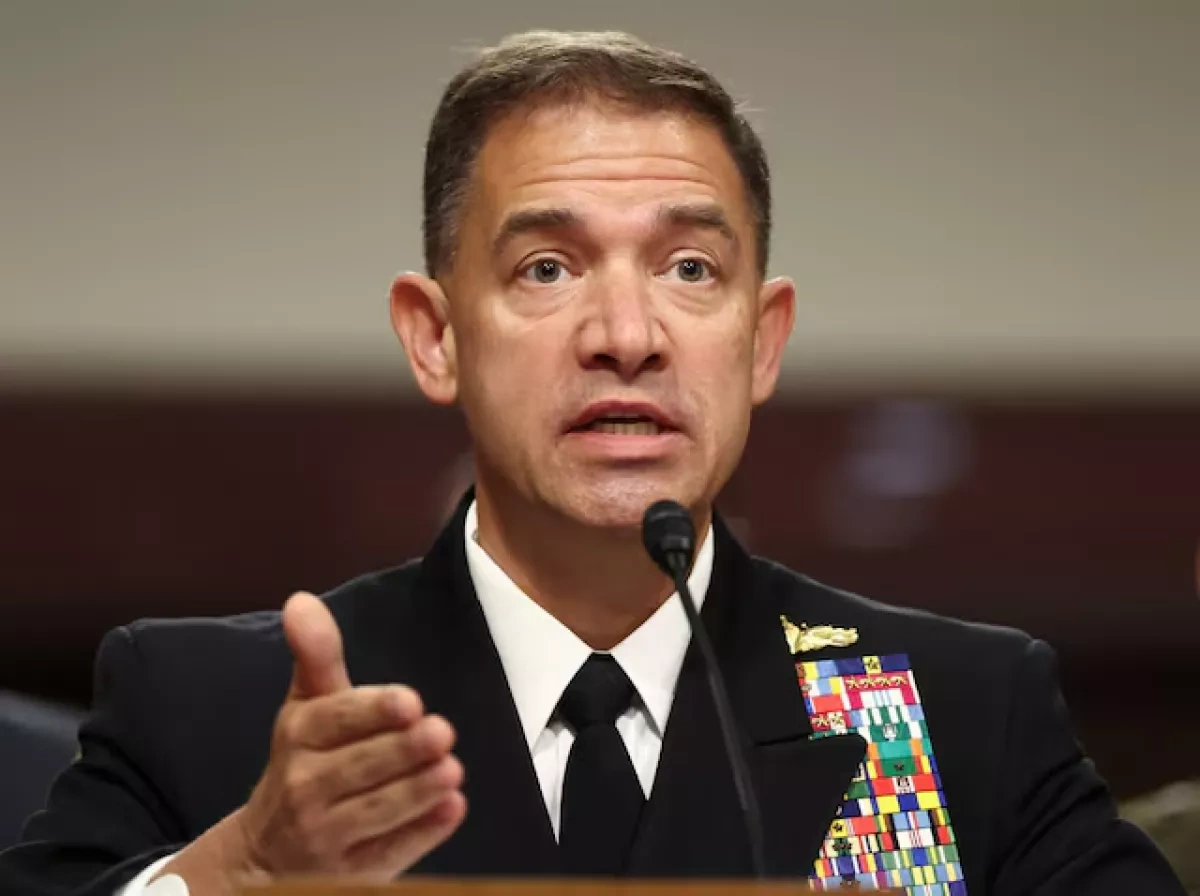
The top US military commander in the Middle East has warned American troops that videos shared from their mobile phones are helping Iran assess the effectiveness of its missile and drone attacks, according to a previously unreported letter obtained by Reuters.
Admiral Brad Cooper, commander of US Central Command (CENTCOM), urged service members to tighten operational security, warning that footage posted online could provide Tehran with valuable battlefield intelligence in near real time.
"The direct, unavoidable cost of this open-source intelligence could be measured in the lives of American service members and civilian residents in targeted Gulf countries," Cooper wrote in the letter dated July 28.
According to Reuters, some US troops stationed in Jordan have also been informed that their mobile phones may be confiscated in the coming days as part of heightened security measures. Two sources familiar with the matter said the move had been discussed, while a third said it was under consideration across the region but had not yet been confirmed.
Responding to Reuters, CENTCOM spokesperson Captain Timothy Hawkins described the letter as a routine reminder about operational security.
"The message is a general reminder to our service members on the importance of maintaining operational security. This is one of many opportunities Admiral Cooper has used to convey operational priorities."
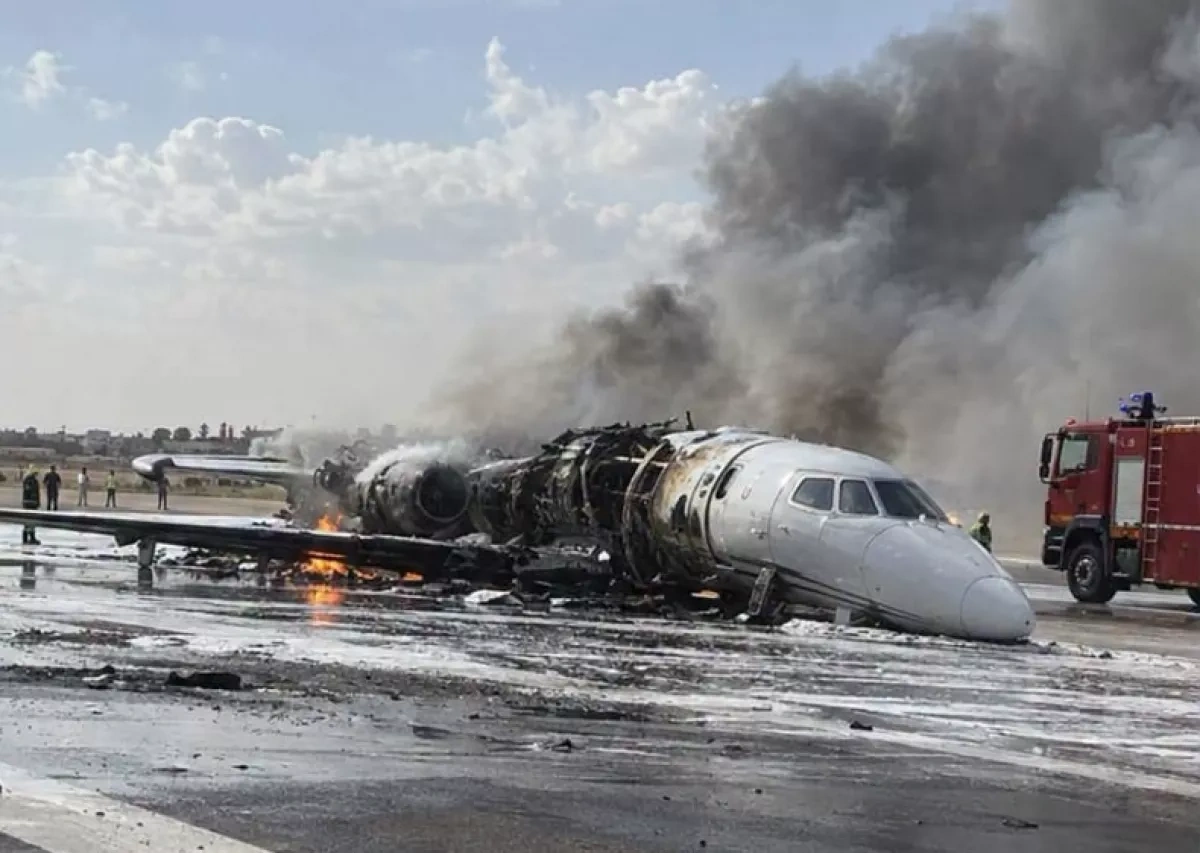
The warning follows a series of Iranian attacks on US positions in the Middle East. In his letter, Cooper referred to a video recorded by a US service member using Meta smart glasses during an Iranian missile and drone strike on Muwaffaq Salti Air Base in Jordan on July 17.
"Video captured from a service member's Meta glasses was posted on Instagram showing where and how the individual had evacuated to a bunker during an Iranian missile and drone attack," Cooper wrote.
He argued that without such publicly available footage, Iran would struggle to determine whether its strikes had hit their intended targets because of US electronic warfare measures and other battlefield tactics.
"Iran knows the weapons were fired; however, their forces do not know if they missed by 50 meters, hit an empty tarmac, or successfully struck a crowded facility," he wrote. "Detailed lists, descriptions, and analyses of what was hit, openly published by news outlets are essentially performing Iran’s Battle Damage Assessment (BDA) for them, free of charge," Cooper said.
The conflict between the United States and Iran, which began on February 28, has so far claimed the lives of 18 US service members, while more than 600 have been wounded, according to Reuters.
US military rules on mobile phone use vary depending on operational requirements. While phones are already prohibited during certain sensitive missions, any broader restrictions could affect thousands of deployed personnel who rely on them to communicate with their families.
Cooper also warned that the publication of detailed information about strikes could enable Iran to launch follow-up attacks.
"Detailed public disclosures can become an immediate green light for Iranian forces to launch a secondary, much more devastating wave of attacks," he said.
By Aghakazim Guliyev