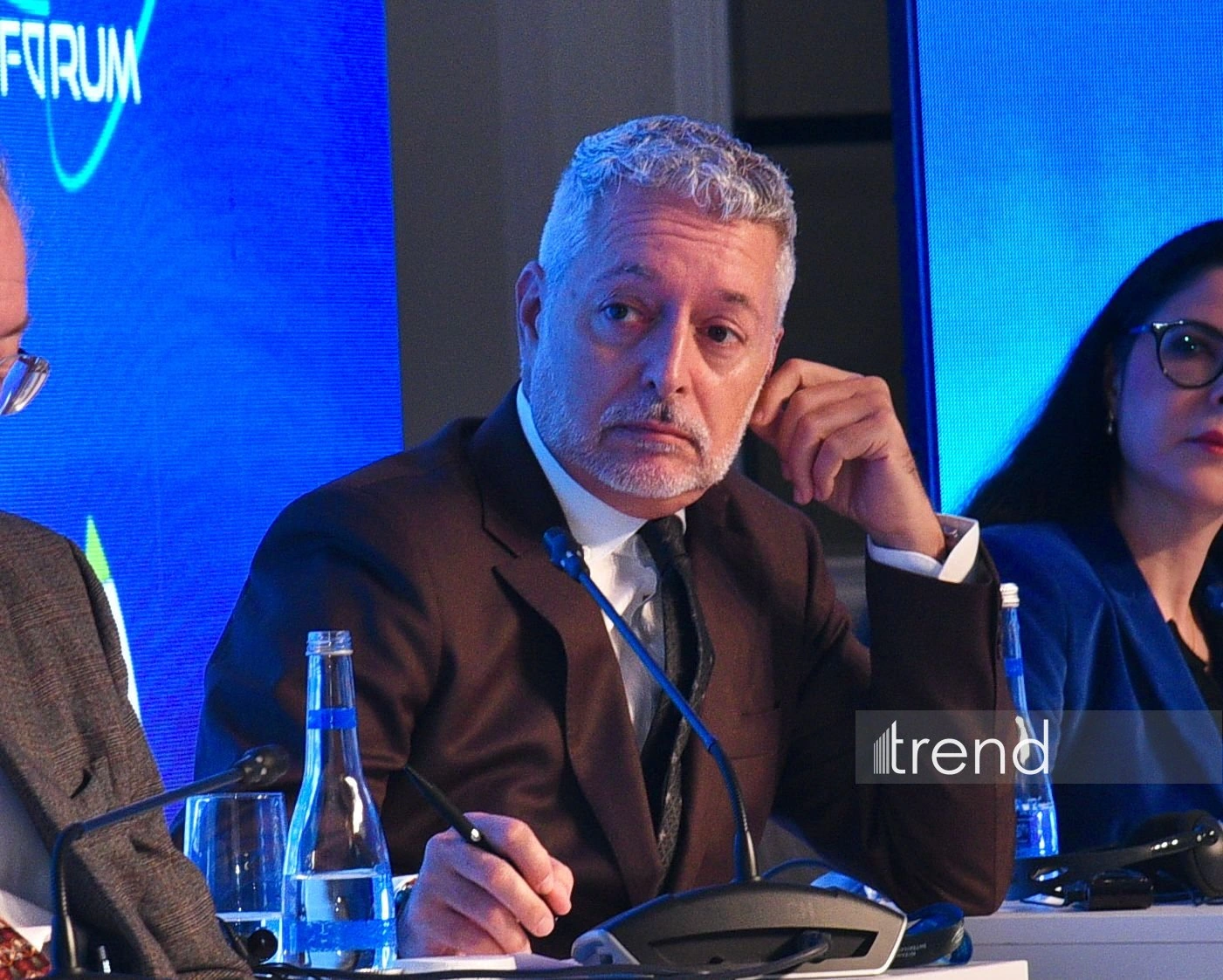
BAKU, Azerbaijan, March 14. Through our
organization, we work to promote inclusiveness and sustainability
in urban development. Yet, significant gaps remain in many
countries, highlighting the complexity and scale of the challenge,
said Benedetto Zacchiroli, Chair of UNESCO’s International
Coalition for Inclusive and Sustainable Cities and President of the
European Coalition of Cities Against Racism, Trend reports.
Speaking on the topic during a panel titled "Global
Collaboration in Housing – Perspectives for WUF13" at the XIII
Global Baku Forum, Zacchiroli stressed that there is no single
universal model for addressing these challenges. Networks operating
at different levels must remain flexible and provide effective
support when needed.
“Programs like those in Thailand reach 90,000 families,
including providing housing opportunities for 1,500 families living
in informal settlements. Such initiatives also help address issues
in the rental market, including rent control and protection against
unfair evictions,” he said.
He emphasized that inclusive policies should benefit all
segments of society, including migrants, people with disabilities,
youth, and marginalized communities. “The main goal is to ensure
that everyone has access to housing rights,” he noted.
Zacchiroli added that UNESCO’s approach is not about penalizing
cities.
“Rather, it is about guiding them toward creating more inclusive
and equitable living environments. Currently, around 3 billion
people live in inadequate housing conditions, many of them children
and youth. This reality highlights the urgent scale of the
problem.
That is why collaboration and sustained dialogue are essential.
The question is not just where to start. Even if it means starting
from the last stage of the process, action must be taken. Our
fundamental duty is clear: no one should be left behind,” he
concluded.
Stay up-to-date with more news on Trend News
Agency's WhatsApp channel