BAKU, Azerbaijan, March 13. Climate finance is
crucial for reforming programs in this area and the entire climate
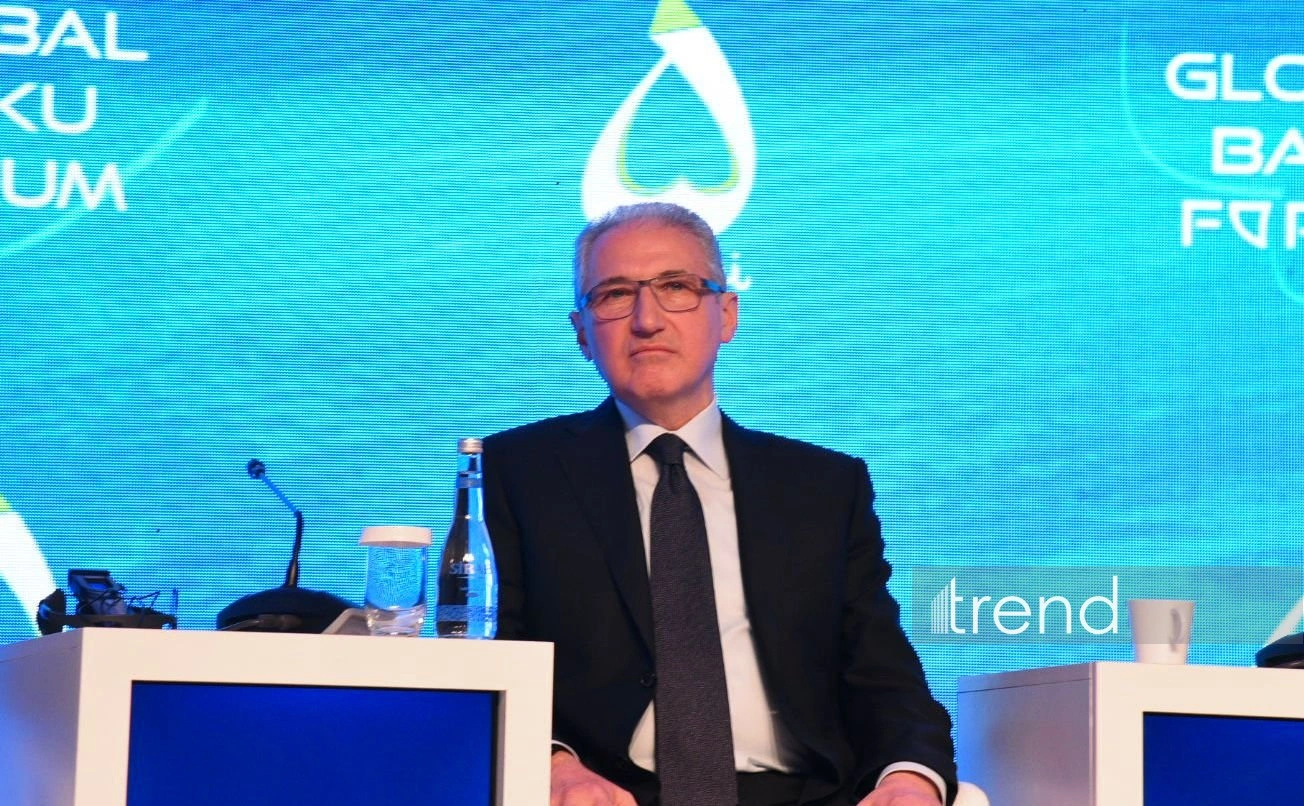
agenda, said Mukhtar Babayev during the 13th Global Baku Forum on
"Bridging Divides in a World in Transition", Trend reports.
According to him, multilateral cooperation is under great
pressure, and the entire UN system is experiencing significant
strain. Therefore, close collaboration is crucial to achieving not
only positive decisions but also their practical
implementation.
He recalled that during COP29 in Baku, an agreement was reached
to launch a Loss and Damage Fund, a financial target of mobilizing
at least $300 billion per year for developing countries by 2035 was
agreed upon, and a practical plan for mobilizing $1.3 trillion in
climate finance was presented.
Babayev noted that the implementation of the decisions taken
regarding the Loss and Damage Fund is currently being
monitored.
"In the first years, we saw a fairly active influx of donor
funds into the Loss and Damage Compensation Fund, but last year it
became clear that this process was gradually losing momentum. This
fund accumulates resources to provide assistance, primarily to
small island developing states and other vulnerable countries, so
they can rebuild their economies and social life after major
disasters," he added.
At the same time, Babayev emphasized that the commitment to
mobilize at least $300 billion annually for developing countries,
as well as the practical plan to mobilize $1.3 trillion, are also
currently under significant pressure.
"Politicians around the world are increasingly considering
re-prioritizing their financial commitments. In 2024, we had a
unique atmosphere in Baku, where donors decided to contribute $100
million and continue progress toward the 2035 goals. However,
unfortunately, we are now hearing about steps back in these
decisions, and we await the 2025 report from the Organization for
Economic Cooperation and Development to see the real results of
these contributions.
We understand that today, other challenges—state security,
defense, and military issues—are increasingly consuming attention
and financial resources. Countries are increasingly considering how
to protect themselves from these threats, wars, and conflicts, but
life is changing, and we are all living in these changes. We need
to adapt, but we also need to invest and secure funding, because
without financial support, all our steps and actions,
unfortunately, will not lead to a real solution to the problem or
achieve results," Babayev concluded.
Stay up-to-date with more news on Trend News
Agency's WhatsApp channel