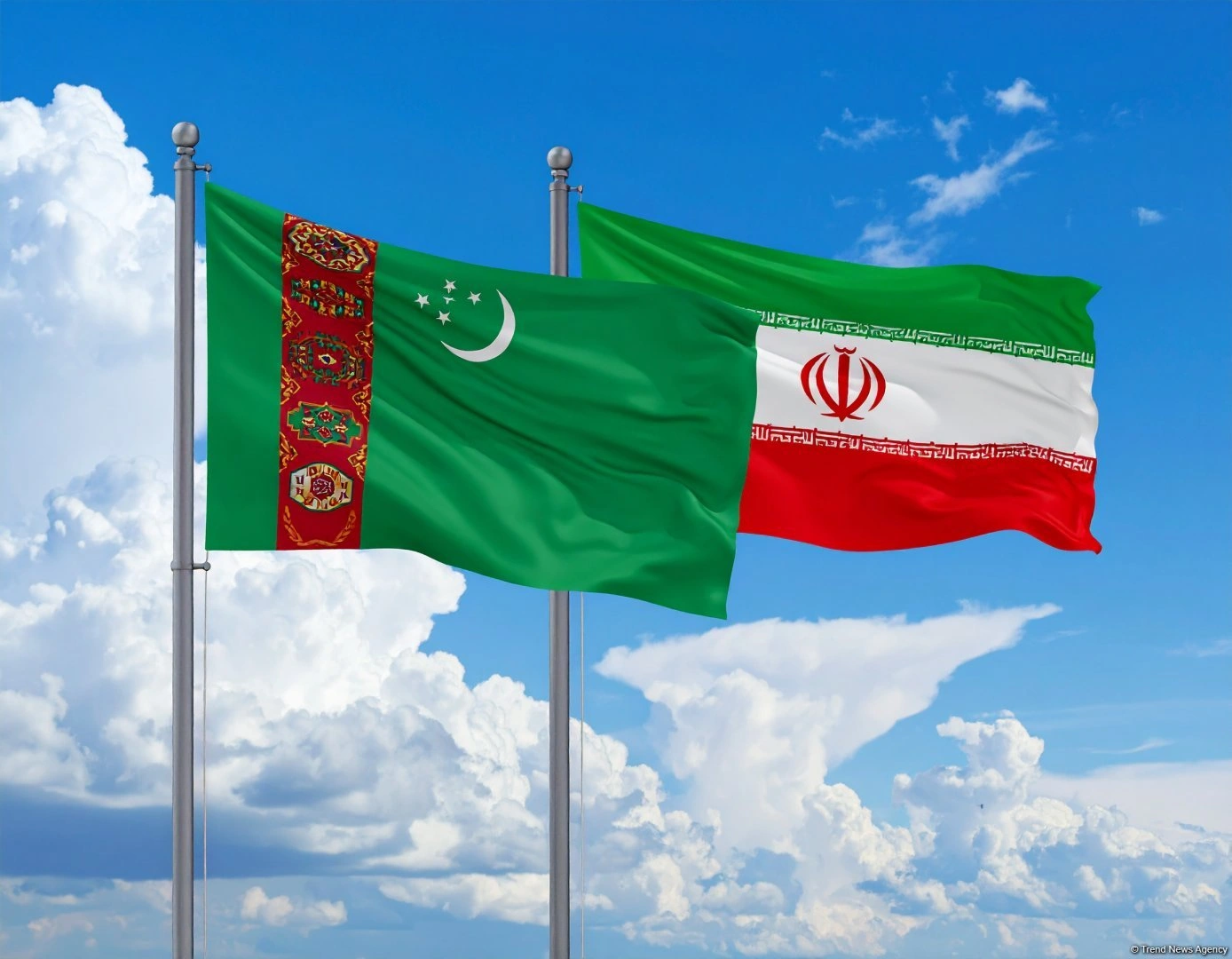
BAKU, Azerbaijan, December 13. In recent
years, Iran has made it a priority to strengthen its ties with
neighboring countries, a strategy it now seeks to expand further.
Deepening relations with Central Asian nations has become a central
element of Tehran’s regional policy, with particularly notable
progress in its relations with Turkmenistan.
A significant milestone in this ongoing effort was the visit of
Iranian President Masoud Pezeshkian to Ashgabat on December 12,
following an invitation from Turkmenistan’s People’s Council
Chairman Gurbanguly Berdimuhamedov. This visit marked a key step in
advancing bilateral ties. The discussions during the visit centered
on regional peace, mutual trust, and practical cooperation, with
both parties emphasizing the importance of continuing engagement
through reciprocal visits.
President Pezeshkian expressed his appreciation for the "Peace
and Trust" summit, highlighting that such initiatives play a
crucial role in fostering regional relations and encouraging
countries to take active steps toward peace and confidence.
Meanwhile, Berdimuhamedov described the Iran-Turkmenistan
relationship as constructive, encompassing trade, culture, and
humanitarian sectors, and expressed optimism about the potential
for further expanding this collaboration.
A major part of the visit included talks between President
Pezeshkian and Turkmenistan President Serdar Berdimuhamedov. The
leaders emphasized the development of sincere, peaceful, and
sustainable relations based on mutual trust, reviewing agreements
on gas, freight transport, transit corridors, and economic and
trade cooperation, while addressing existing challenges to advance
shared interests.
Energy cooperation is a cornerstone of trade relations between
the two countries. Turkmenistan's natural gas serves as a
dependable alternative for Iran, particularly in the northern and
northeastern regions during the winter months. Additionally,
electricity imports from Turkmenistan play a vital role in meeting
Iran's peak summer energy demand.
Transport and transit also hold strategic significance, with
Turkmenistan acting as a crucial gateway for Iran’s connectivity to
Central Asia. Both nations are prioritizing the expansion of
freight and transit capacities, including the development of the
eastern route of the International North-South Transport Corridor
(INSTC) through Iran.
Trade prospects between the two countries are considerable. Iran
has the opportunity to export agricultural products, fruits,
vegetables, farming machinery, construction materials, metal goods,
and mining equipment to Turkmenistan. In return, Turkmenistan can
supply textiles and petroleum products to Iran. Between March and
October 2025, Iran exported 945,000 tons of goods worth $379
million to Turkmenistan, while imports from Turkmenistan totaled
approximately 3,300 tons, valued at $6 million.
Overall, with strong political will, growing interdependence in
energy and transit, and increasing interest in regional projects,
Iran-Turkmenistan relations are expected to deepen further in the
coming years, supporting bilateral cooperation and regional
economic and transport integration.
Stay up-to-date with more news on Trend News
Agency's WhatsApp channel