TASHKENT, Uzbekistan, December 10. Uzbekistan
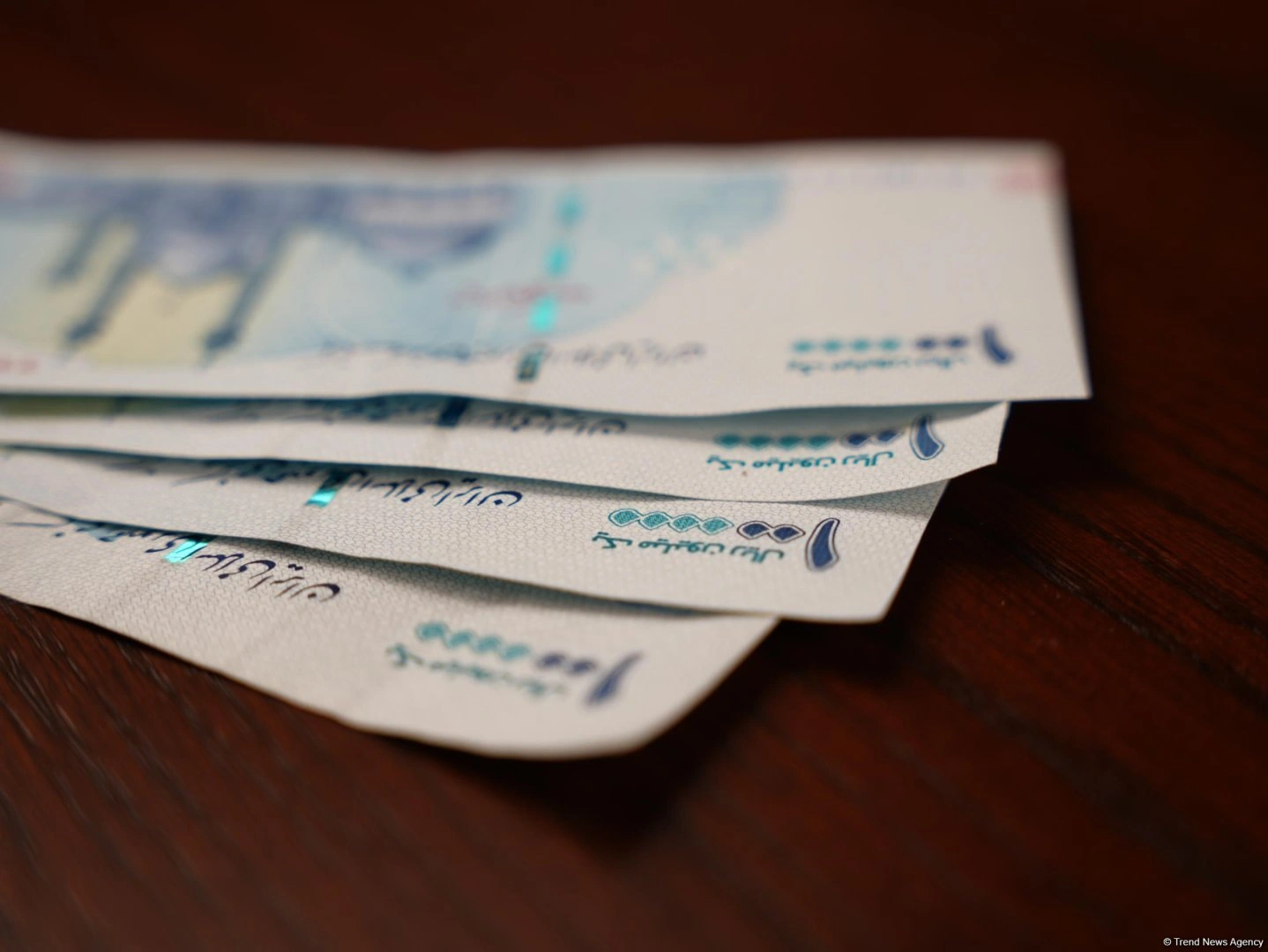
aims to increase the share of cashless payments made by the
population in the trade and services sectors to 75% by 2030,
Trend reports via the
Chamber of Commerce and Industry of Uzbekistan.
The initiative is stipulated in a presidential decree signed by
President Shavkat Mirziyoyev and forms part of a broader strategy
titled “On Additional Measures to Promote Cashless Payments and
Reduce the Share of the Shadow Economy.”
In addition, the decree sets the following key targets for
reducing the share of the shadow economy by 2030:
• to reduce the share of the unobserved economy in relation to
gross domestic product by 1.3 times;
• to raise the share of employment in the formal sector of the
economy in the total economically active population to 64%;
• to improve Uzbekistan’s position by at least 30 places in both
the Index of Economic Freedom and the Corruption Perceptions
Index.
Uzbekistan initiated the modernization of cashless payments
around 2004 with the launch of the Uzcard system, gaining momentum
after 2017 due to market reforms. The formalization of e-money
occurred in 2020, leading to significant digital growth and aiming
for widespread electronic/QR code payments by 2026. Key
developments include the launch of the card processing system
around 2004, increased use of salary cards from 2015 through 2017,
and the government's "Digital Uzbekistan 2030" initiative
post-2017, which expanded ATMs and POS terminals.
The first e-money system, OSON, was registered in June 2020, and
the ongoing 2020s have seen a substantial rise in digital payments
and contactless technologies, with mandates for unified QR codes
and cashless public transport expected by 2025/2026.
Stay up-to-date with more news on Trend News
Agency's WhatsApp channel