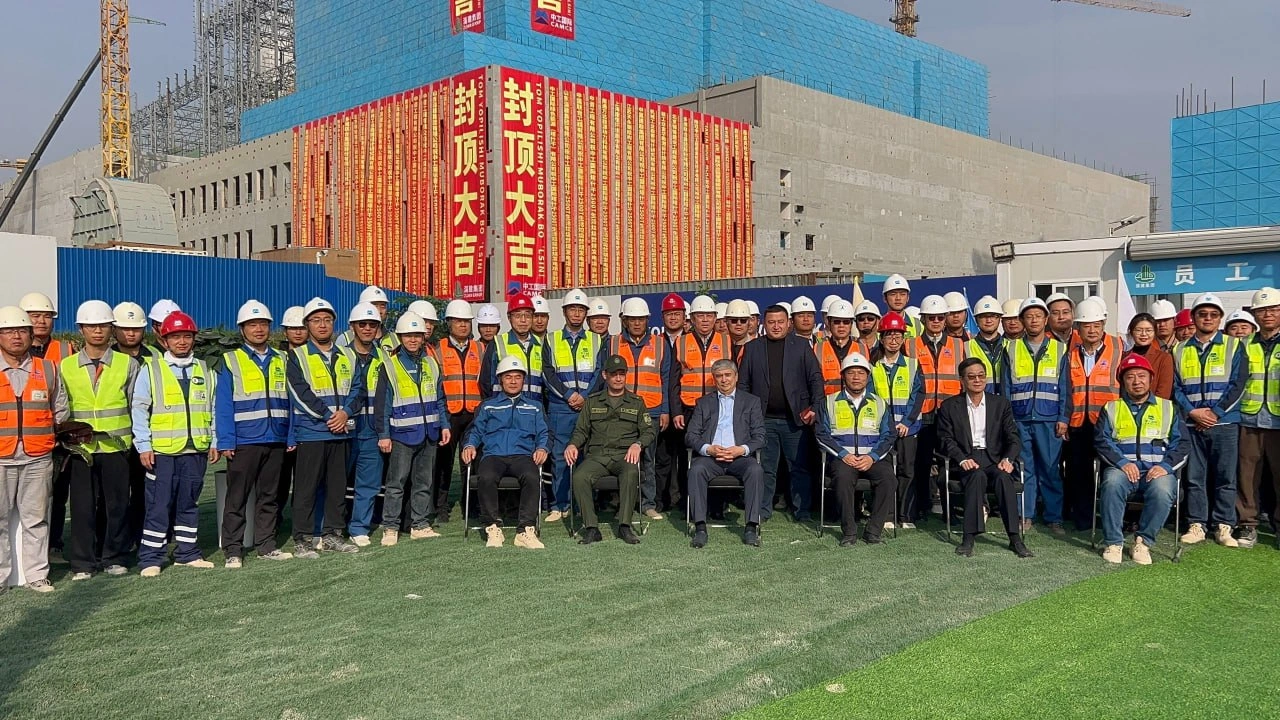
BAKU, Azerbaijan, November 4. Uzbekistan has
completed the first phase of construction of a $240 million
waste-to-energy plant in the Ohangaron district of the Tashkent
region, with the facility designed to process 912,000 tons of
municipal solid waste and generate 390 million kilowatt-hours of
electricity annually.
According to the Tashkent regional administration, the main
building of the plant, located in the Yangi Hayot mahalla, has been
constructed, and the initial stage of work has been completed. A
ceremony marking the milestone was held at the project site.
Ohangaron District Governor Bakhrom Norqobilov, company
representatives and officials from relevant organizations attended
the event. Norqobilov highlighted the project's importance for the
district's economy, the country's energy sector and environmental
protection.
The facility is expected to contribute to Uzbekistan's efforts
to expand alternative energy sources, improve municipal waste
management and reduce the environmental impact of solid waste. The
project will also introduce modern technologies and create new
employment opportunities in the region.
Representatives of the company briefed participants on
construction progress, planned production capacity, the
technologies to be used and the next stages of implementation.
The project is being implemented under a resolution signed by
the president of Uzbekistan on March 24, 2025, with the
participation of China's China CAMC Engineering. Valued at $240
million, it is financed through direct foreign investment.
Once operational, the plant will process up to 912,000 tons of
municipal solid waste annually and is expected to produce 390
million kWh of electricity per year.
The next phase will involve installing technological equipment,
carrying out assembly work and preparing the production systems for
operation.