BAKU, Azerbaijan, November 2. Growing global
demand for gallium, germanium, rhenium, beryllium, and tantalum is
creating additional incentives for Kazakhstan to develop and
modernize its production facilities.
This was stated in BCG's study titled "Why Critical Mineral
Shortages Are a CEO Issue."
"The findings of the study are particularly relevant to
Kazakhstan, given the specific characteristics of its mineral
resource base. Gallium, germanium, rhenium, beryllium, and tantalum
are by-products of Kazakhstan's metallurgical production. Although
their contribution to export revenues remains relatively small, the
importance and value of these minerals for global supply chains are
disproportionately greater. Kazakhstan's strategic role in this
segment is determined not so much by production volumes as by the
importance of the industries whose production chains could be
disrupted even by a minor shortage of these raw materials. Growing
global demand for these minerals creates additional incentives to
develop and modernize the country's production facilities," said
Mikhail Moguchev, Managing Director and Partner at BCG.
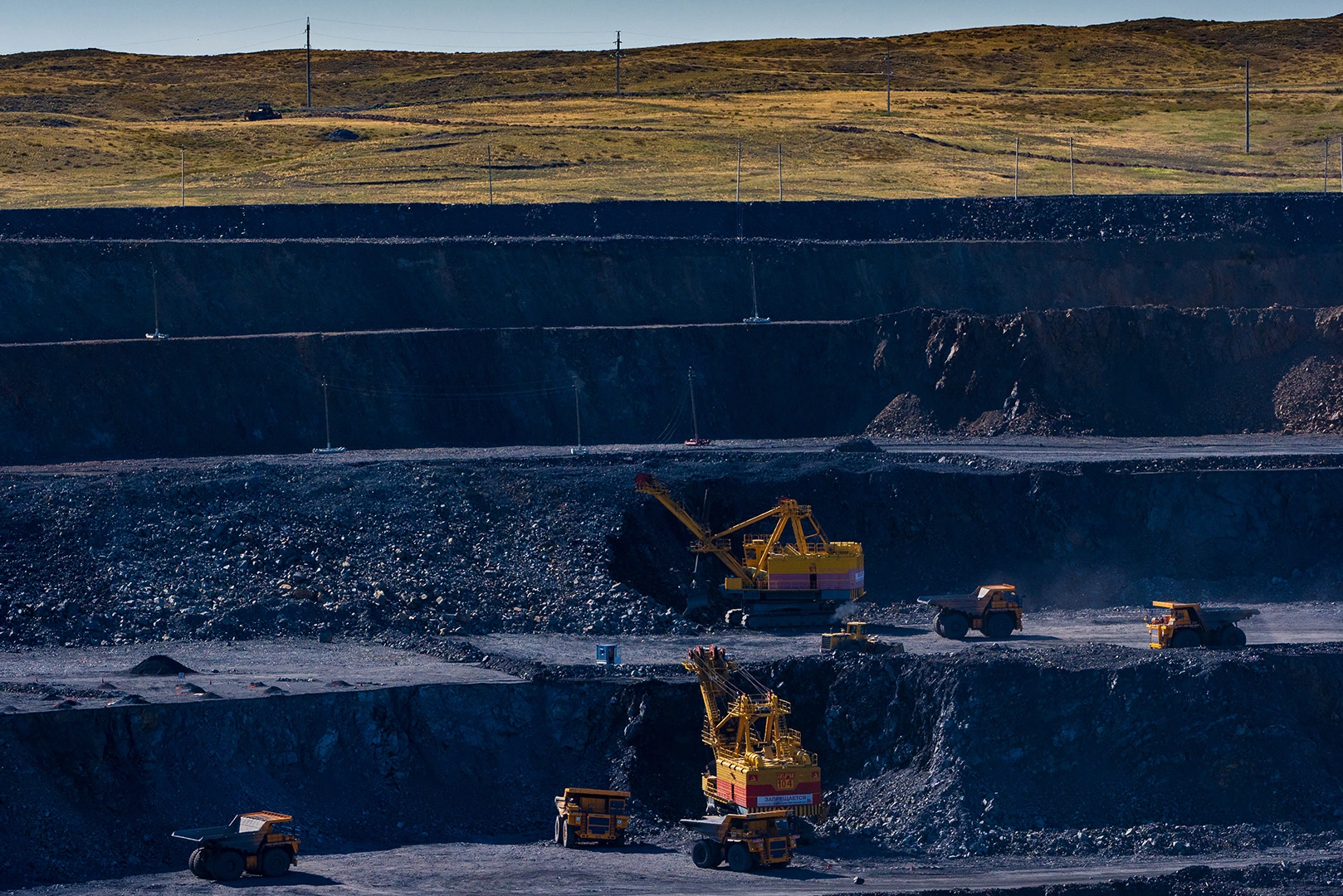
According to him, given the specific nature of by-product
production of so-called "mosquito minerals," output could be
increased not so much through the construction of new production
facilities as by tapping the potential to recover by-products at
existing copper, zinc, alumina, and uranium operations, as well as
developing technologies to extract them from accumulated mining and
metallurgical waste.
The study notes that companies often begin assessing risks by
analyzing the composition of the materials they use, which
primarily directs their attention to metals with high consumption
volumes, such as copper and lithium. So-called "mosquito minerals"
are often left out of this analysis.
Although the market for these minerals is extremely small, major
production chains across a wide range of industries depend on them.
Shortages can disrupt production even at companies that do not
purchase these minerals directly. As a result, leading global
companies are seeking to identify such dependencies and strengthen
the resilience of their supply chains.
The study gives two examples.
The global gallium market is worth less than $350 million
annually, with production totaling only around 900 tonnes. However,
according to BCG estimates, the production of end products worth
approximately $3.5 trillion depends on gallium supplies.
The global market for primary arsenic stands at around $50
million. However, one producer accounts for approximately 60% of
supplies of ultra-high-purity arsenic, which is used in 5G and 6G
communications infrastructure, optical systems in data centers,
radar systems, and defense electronics.
"Gallium, germanium, and arsenic are extracted as by-products of
the mining and processing of other raw materials. Therefore, their
supply volumes are determined primarily by conditions in the
markets for the main metals. Even a sharp increase in prices for
'mosquito minerals' will not necessarily lead to higher
production," the BCG study says.