BAKU, Azerbaijan, November 2. Turkmen President
Serdar Berdimuhamedov has instructed the government to ensure
proper preparations for a nationwide tree-planting campaign
scheduled for November.
This was reflected in a statement issued by the press service of
the Turkmen government. The instructions were given following
Deputy Chairman of the Cabinet of Ministers Tanryguly Atakhallyev’s
report on the agricultural sector and seasonal campaigns across the
country's regions.
According to the information, winter wheat sowing is currently
underway, with irrigation and mineral fertilization being carried
out on sown fields. Cotton harvesting is also in progress,
alongside the collection of raw cotton at receiving points and its
processing at cotton-ginning enterprises.
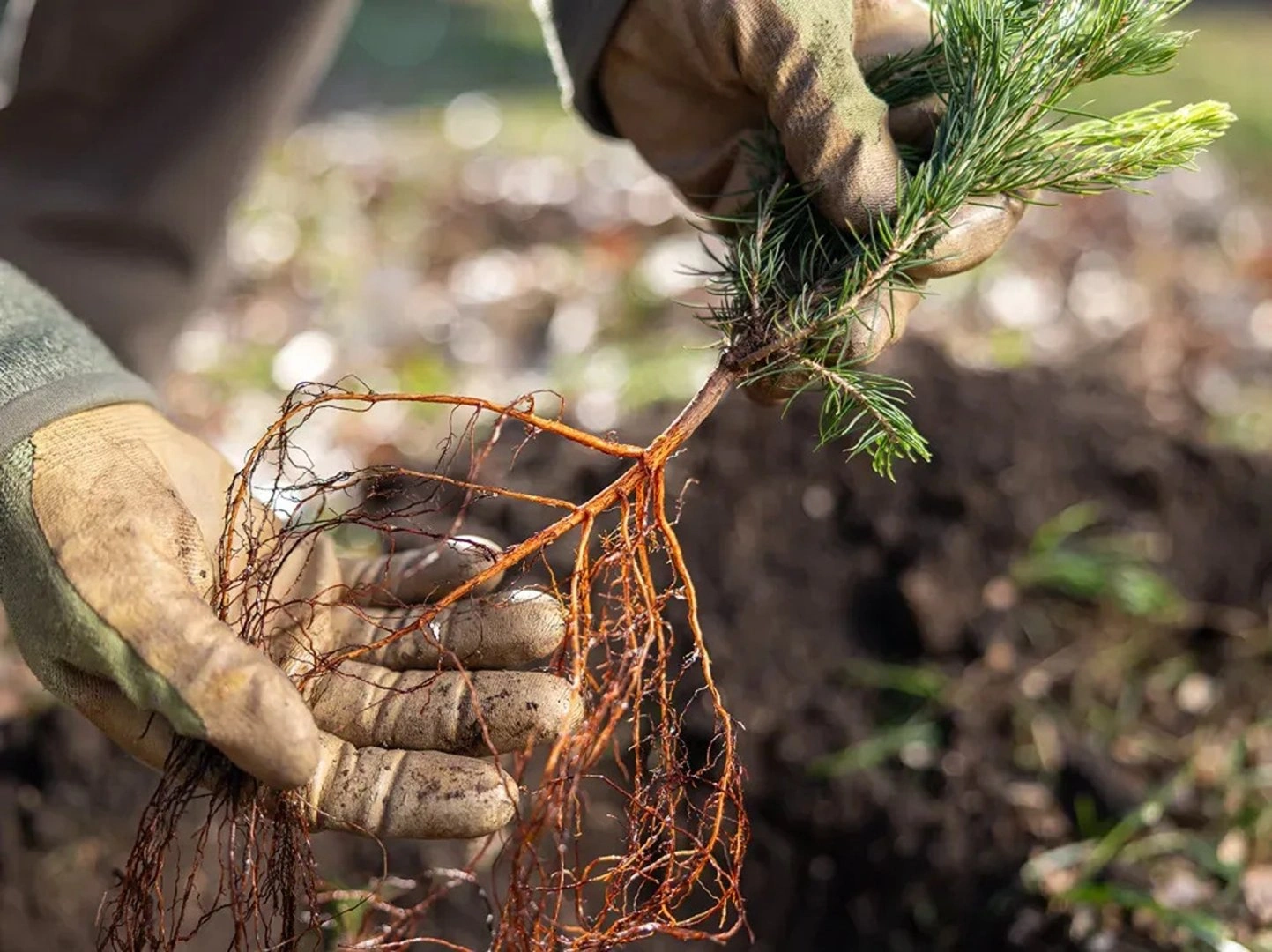
The nationwide tree-planting campaign is scheduled to take place
in Ashgabat, Arkadag and the country's regions. It is being
organized in line with the presidential decree “On Planting
Seedlings in Turkmenistan in 2026” and the National Forest
Programme, which provides for the expansion of forest areas and
proper care for newly planted trees.
The project comes amid broader efforts to strengthen the
resilience of Turkmenistan's agricultural sector to climate change
and land degradation. In late October, the country and the Food and
Agriculture Organization of the United Nations (FAO) launched a
five-year project focused on introducing nature-based solutions in
agriculture. The initiative is being implemented by the Ministry of
Environmental Protection of Turkmenistan in cooperation with FAO,
the Green Climate Fund and the Regional Environmental Centre for
Central Asia.
The project includes the establishment of a tree nursery to
supply seedlings for protective forest belts, the restoration of
saline soils and the planting of salt-tolerant vegetation. These
measures are intended to address some of the environmental
pressures affecting agricultural land: protective forest belts can
reduce wind erosion and limit the movement of sand onto farmland,
while soil desalination and salt-tolerant plants can help restore
degraded areas.