BAKU, Azerbaijan, November 2.
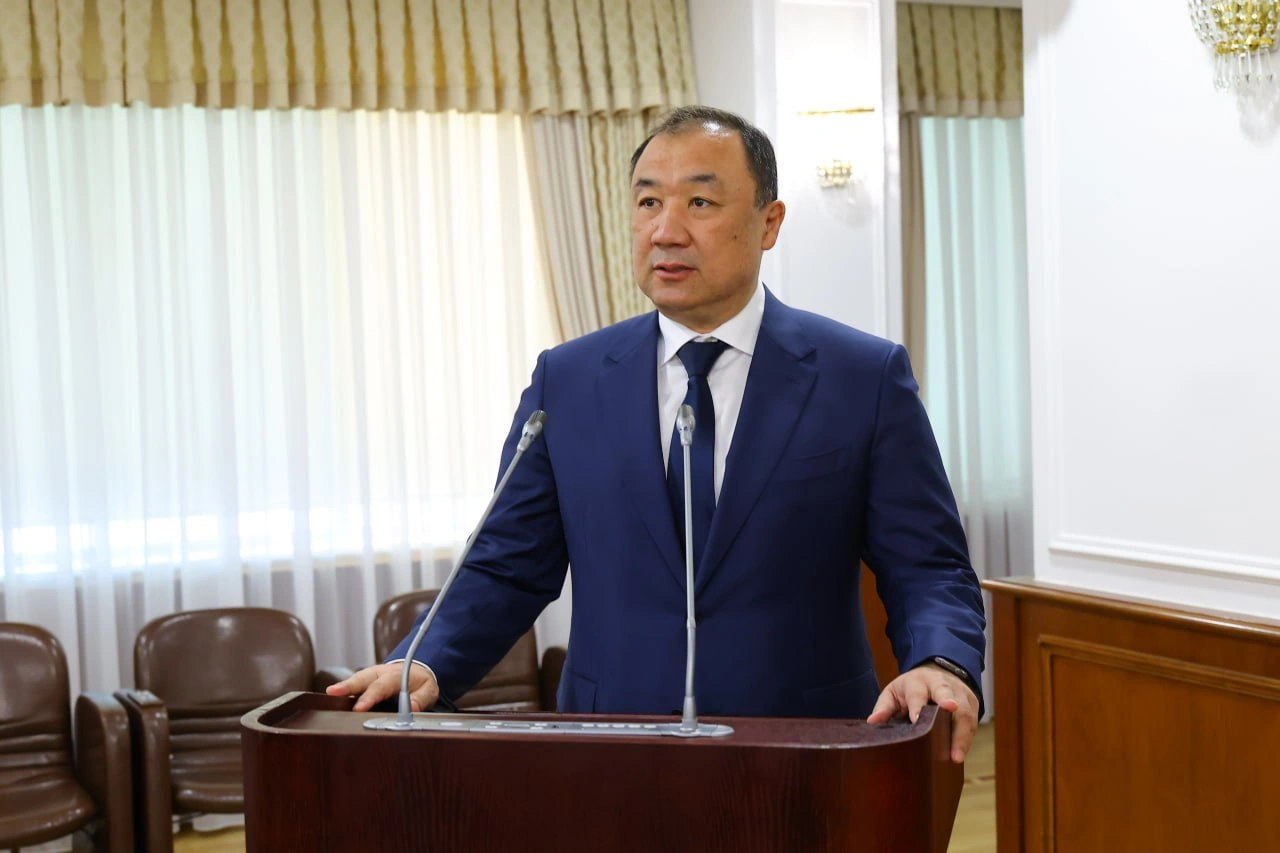
Kazakhstan plans to improve the quality of bitumen used in road
construction, Minister of Transport Nurlan Sauranbayev said at a
meeting on reforming the road sector chaired by Prime Minister
Olzhas Bektenov in Astana, according to the press service of the
Kazakh government.
Sauranbayev reported that the Ministry of Transport,
together with the Ministry of Energy and KazMunayGas, had conducted
an inventory of the bitumen transportation and storage system.
Based on the findings, approaches have been developed
to improve product quality, ensure more balanced utilization of
plant capacity, and transition to the production of
polymer-modified bitumen with enhanced properties.
He noted that the CASPI BITUM and Pavlodar
Petrochemical plants are ready to produce grades 50/70 and 70/100,
as well as polymer-modified bitumen, subject to the receipt of
relevant orders.
The meeting also addressed ways to improve the
quality of road construction and plans to develop a modern highway
network in line with the objectives outlined in President
Kassym-Jomart Tokayev's annual Address on October 28.
The prime minister was shown the main causes of
cracks, rutting, and other road surface defects. Participants also
reviewed proposals to update technical standards to take into
account regional climatic conditions and actual traffic loads.
The proposed measures to improve road surface quality
include the use of narrowly graded cubical crushed stone, base
bitumen, and modification methods to ensure flexibility. They also
envisage increasing the resistance of different types of modified
bitumen to rutting and cracking.
In addition, the proposals include the use of
non-destructive testing methods and new technologies to extend road
surface service life, as well as improve the quality of reflective
road signs and road markings.
The meeting also covered new road construction
technologies, including Superpave (Superior Performing Asphalt
Pavements) and the use of polymer-modified asphalt concrete, as
well as measures to ensure the quality of materials and strengthen
laboratory testing.
Participants exchanged views on raising quality
standards for road construction and maintenance, ensuring adherence
to construction technologies at every stage of handling road
construction materials, and strengthening contractors'
responsibility for the durability and quality of road surfaces.
They emphasized the importance of improving construction and
maintenance practices.
Other issues discussed included the organization of
road construction, the development of roadside services, the
modernization of road border crossing points, and the introduction
of digital monitoring tools.