BAKU, Azerbaijan, October 30. Kyrgyzstan's
Ministry of Finance and the European Bank for Reconstruction and
Development (EBRD) have discussed tariff policy in the water supply
and wastewater sectors, as well as measures to improve the
monitoring of projects implemented with support from international
financial institutions.
According to the press service of the Ministry of Finance of
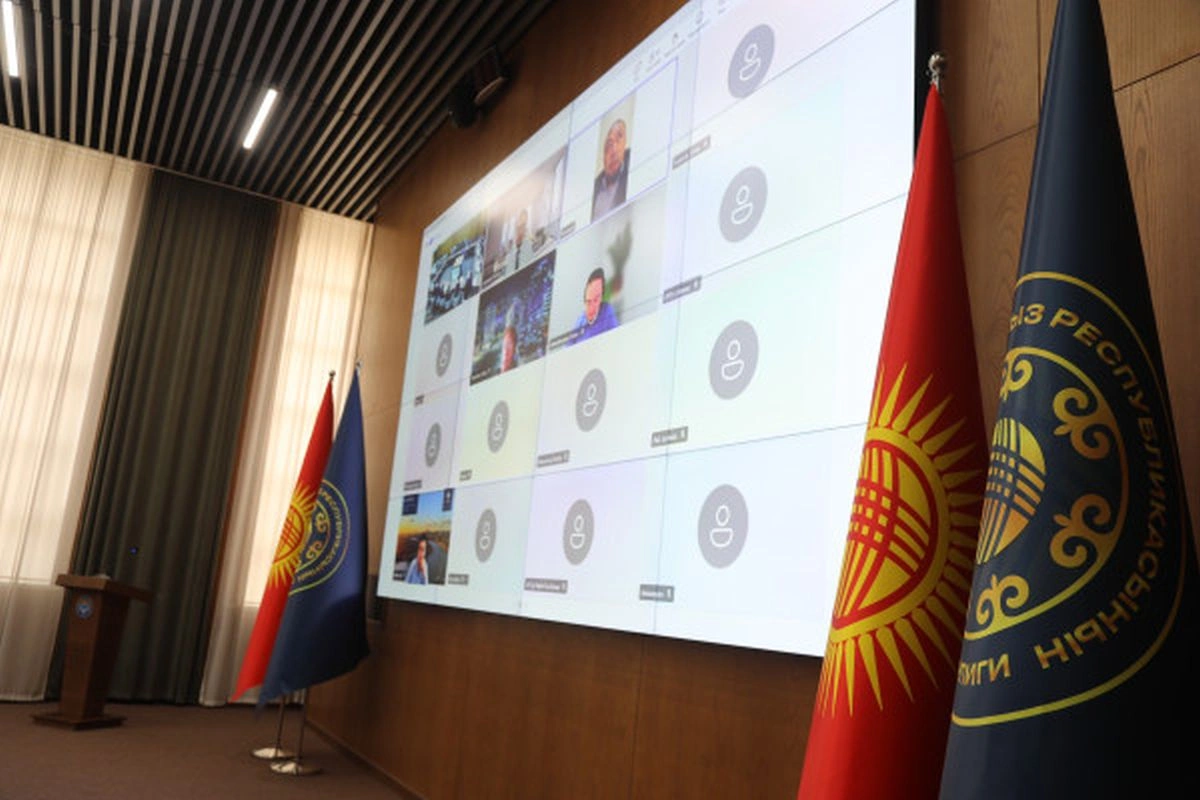
Kyrgyzstan, the discussions took place on October 29 as part of a
joint review of the EBRD project portfolio.
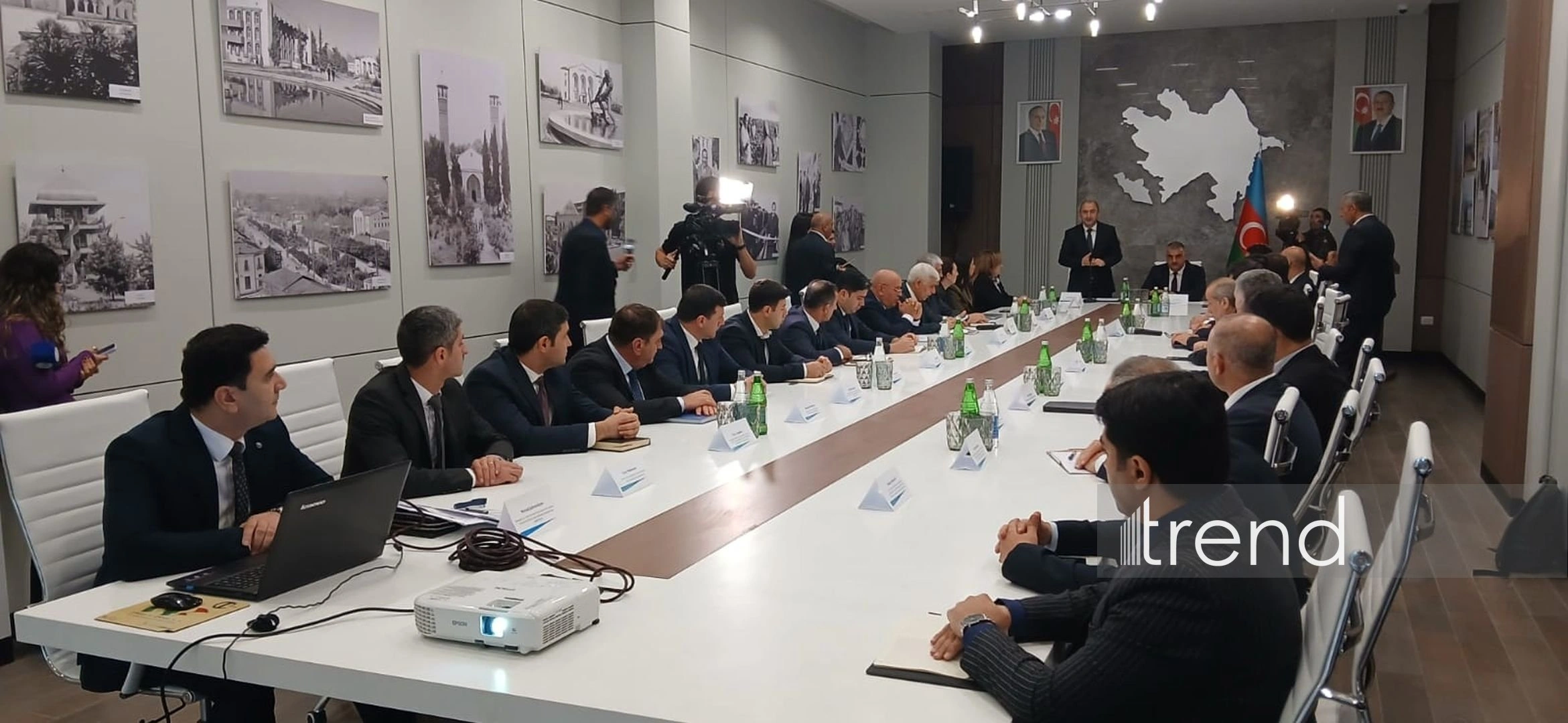
The event brought together representatives of the ministry,
EBRD, local self-government bodies, municipal water utilities,
project implementation units, financial specialists, and tariff
policy consultants.
The event also included a training session on the AIDSTAT
information system, which is designed to collect, record, monitor,
and analyze data on projects implemented with support from
international financial institutions.
Participants were introduced to the system's main functions,
procedures for entering and updating information, generating
reports, and monitoring financial indicators and progress in
project implementation.
Particular attention was paid to ensuring data completeness and
accuracy, updating information in a timely manner, and improving
reporting quality. It was noted that effective use of AIDSTAT would
contribute to greater transparency and more effective project
monitoring.
Participants also discussed tariff policy in Kyrgyzstan's water
supply and wastewater sectors, including issues related to setting
and revising tariffs, covering operating costs, maintaining
infrastructure, and ensuring the financial sustainability of
municipal utilities.
They emphasized the importance of an economically justified
approach to tariff setting to ensure the stable operation of
utilities and the long-term sustainability of water supply and
wastewater systems.
Following the meeting, the parties highlighted the need for
continued cooperation between the Ministry of Finance of
Kyrgyzstan, EBRD, local self-government bodies, municipal
utilities, and project implementation units to improve project
monitoring, refine tariff policy, and support the sustainable
development of the water supply and wastewater sectors.