BAKU, Azerbaijan, October 29. Prime Minister
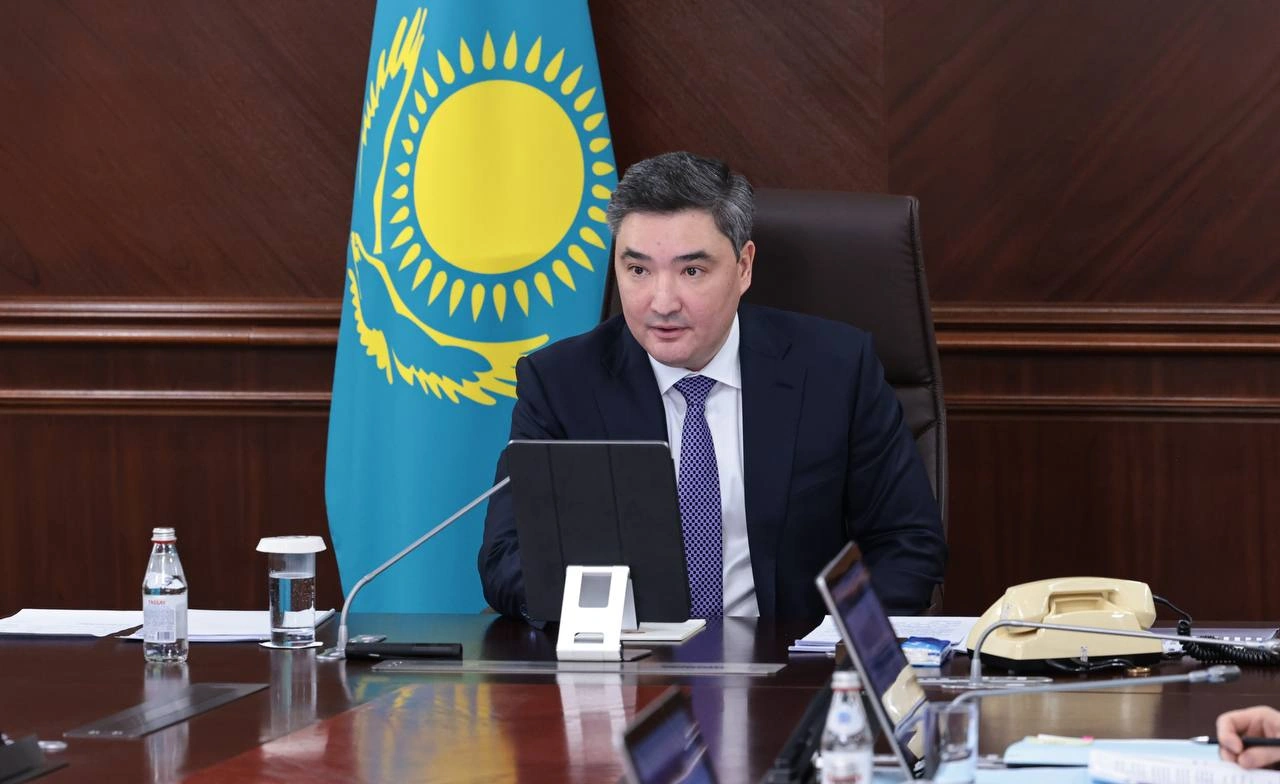
Olzhas Bektenov instructed the Ministry of Agriculture and the
Ministry of Artificial Intelligence and Digital Development to
create the E-AIC platform (electronic Agro-Industrial Complex) and
complete the development of a sectoral Data Lake in 2027, according
to the Kazakh government.
At a government meeting, Bektenov emphasized the need to develop
the agro-industrial complex to meet domestic needs and strengthen
the country's export position.
"Another important strategic task is to build a strong
agro-industrial sector in Kazakhstan focused on meeting domestic
needs and strengthening the country's export position. A key
condition for achieving this goal is access to long-term
concessional financing needed to modernize production facilities
and establish processing capacities," Bektenov said.
The Ministry of Agriculture, together with the Ministry of
National Economy and the Baiterek holding, was tasked with ensuring
the implementation of long-term lending programs for the
agro-industrial complex, including programs for livestock farming,
agricultural product storage and processing, as well as
concessional leasing.
The meeting also highlighted the need to create favorable
conditions for the accelerated implementation of investment
projects and eliminate excessive administrative barriers.
At the meeting, Bektenov also emphasized the importance of
rational water use, reducing water losses and expanding the use of
water-saving technologies.
"Efforts to reduce water losses and expand the use of
water-saving technologies must be intensified. Particular attention
should be paid to compliance with water balances when planning sown
areas," Bektenov said.
The government has tasked the relevant authorities with ensuring
the full operation of the National Water Resources Information
System with artificial intelligence capabilities by December
15.
The Ministry of National Economy, together with the Ministry of
Water Resources and Irrigation, has been instructed to complete
tariff reform in the drinking water consumption sector by January
2027, providing economic incentives for water conservation and the
adoption of water-saving technologies.
The Ministry of Industry and Construction, together with the
Ministry of Water Resources and Irrigation and regional akimats,
has been tasked with developing mechanisms to save drinking water
at facilities with high water consumption, including transitioning
them to technical, circulating and reused water supply systems.