BAKU, Azerbaijan, October 29. Central Asian
countries can reduce electricity sector development costs by
coordinating the use of generating capacity and cross-border power
grids, avoiding the need to build excessive reserves independently
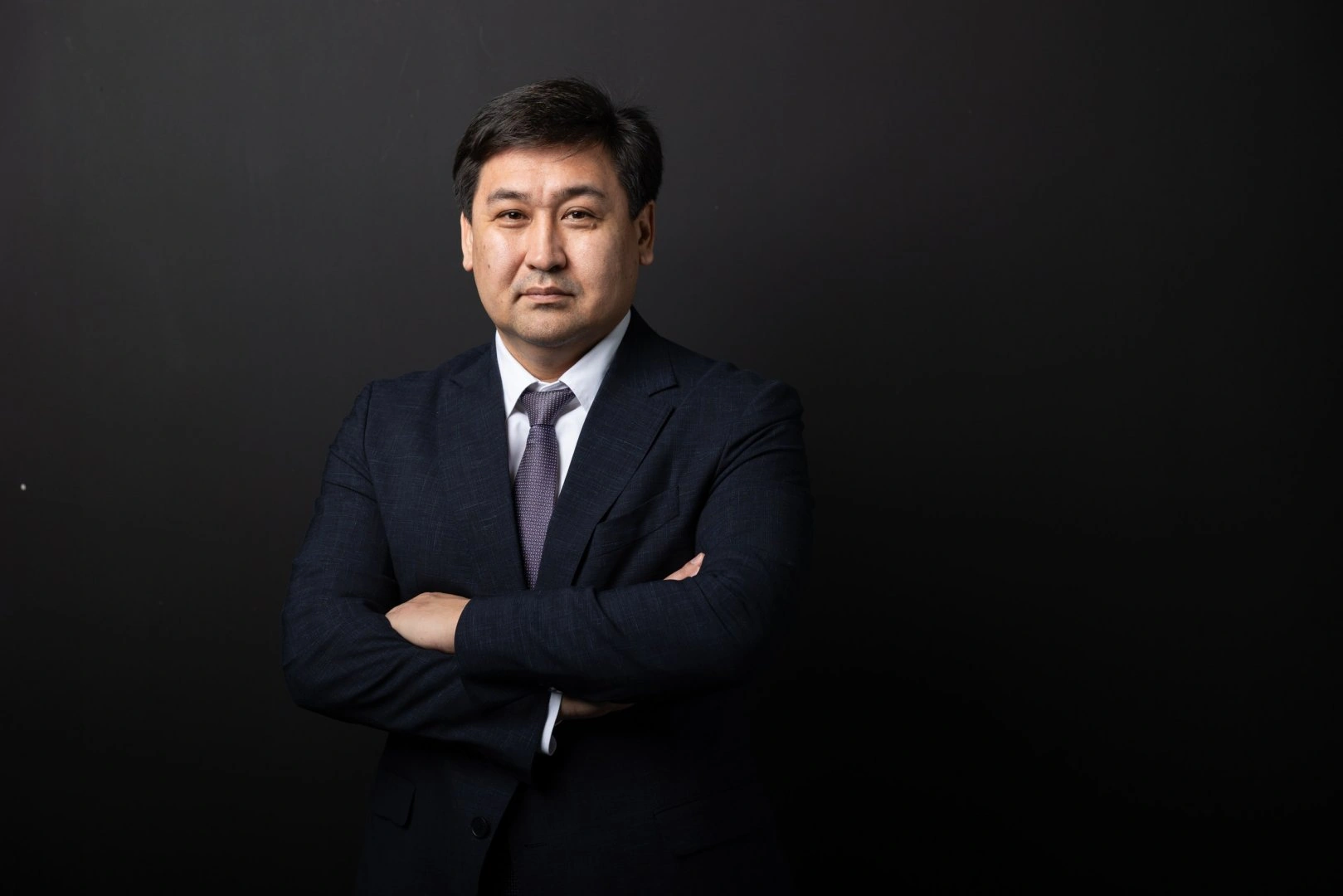
to meet peak demand, Arman Akhunbaev, head of the Eurasian
Development Bank’s (EDB) Industry Analysis Center, said.
He made the remarks on Thursday while speaking at a webinar
dedicated to the bank’s report, “Energy Without Borders:
Architecture of Energy Connectivity in Central Asia.”
He noted that regional integration is becoming increasingly
important amid rising electricity consumption and large-scale
construction of solar and wind power plants.
According to Akhunbaev, renewable energy development requires
not only the commissioning of new generating capacity but also
infrastructure capable of compensating for fluctuations in
electricity output. If each country addresses this challenge solely
through its own reserves, the overall costs of ensuring reliable
power supply could be significantly higher.
“Coordinated operation of power systems makes it possible to
achieve a completely different level of economic efficiency. We can
leverage the advantages of thermal and hydropower generation in
different countries, smooth out seasonal demand peaks and trade
electricity during hours when it is beneficial for all
participants,” he said.
Akhunbaev also highlighted the link between regional electricity
integration and the rational use of water resources. The ability to
cover winter electricity shortages with supplies from neighboring
countries would allow some states to reduce power generation by
releasing water from reservoirs, preserving more water for summer
irrigation.
At the same time, he said, the existence of shared technical
infrastructure alone does not guarantee effective integration. A
fully functioning regional market requires transparent electricity
trading rules, accurate measurement of cross-border flows and
coordinated settlement mechanisms among participants.
Another challenge is the distribution of economic benefits from
cross-border projects. As the EDB representative noted, a new power
transmission line or flexible power plant may serve the needs of
several countries at once. This requires prior agreements on the
allocation of costs, revenues and risks.
According to Akhunbaev, reaching agreement on these terms would
help turn existing cross-border connections into the foundation of
an investment-attractive regional energy system.