BAKU, Azerbaijan, October 28. Azerbaijan is
consistently implementing measures to combat corruption.
Modernizing legislation, increasing transparency and accountability
in public administration, ensuring the digitalization and
accessibility of public services, and strengthening public
oversight all play an important role in preventing corruption,
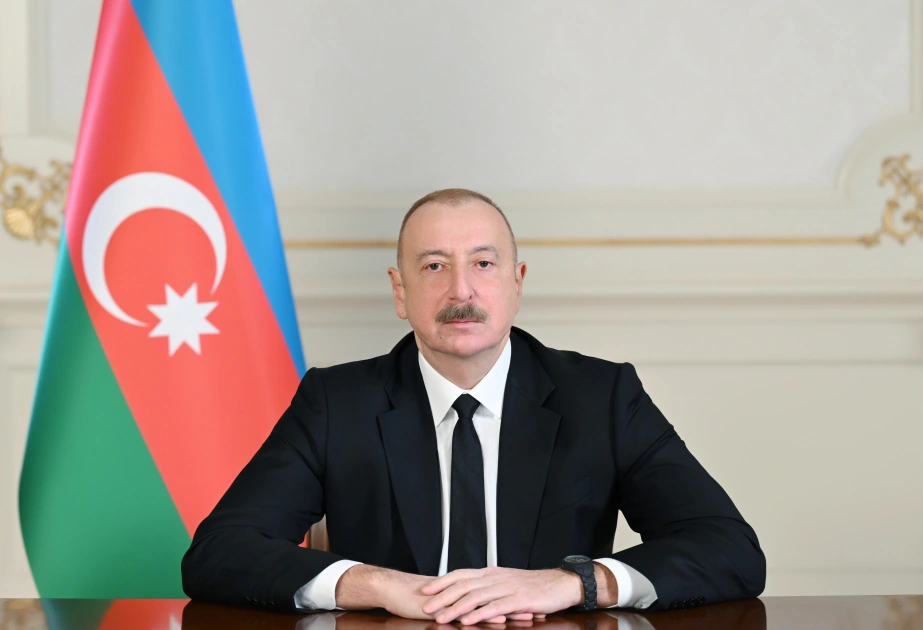
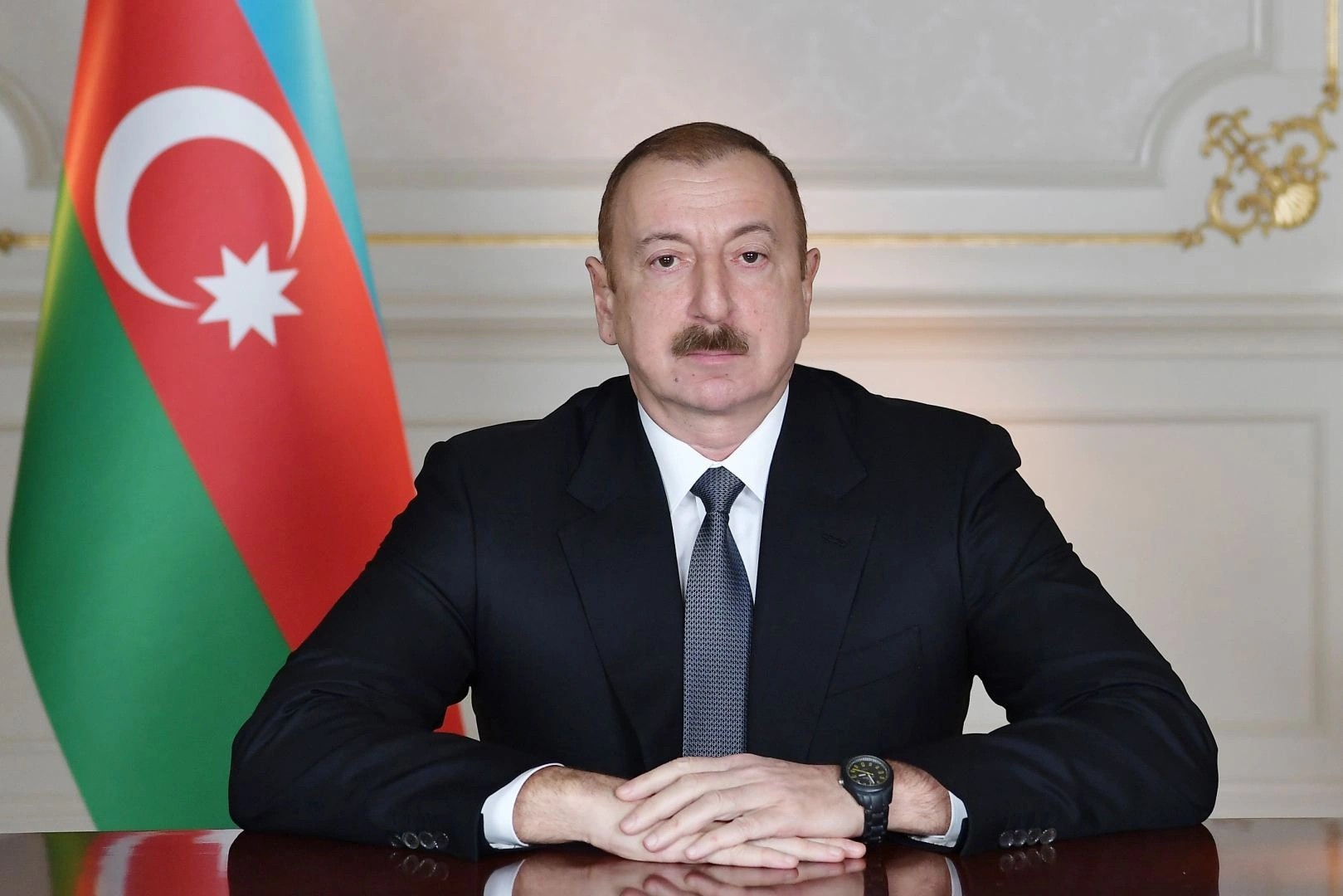
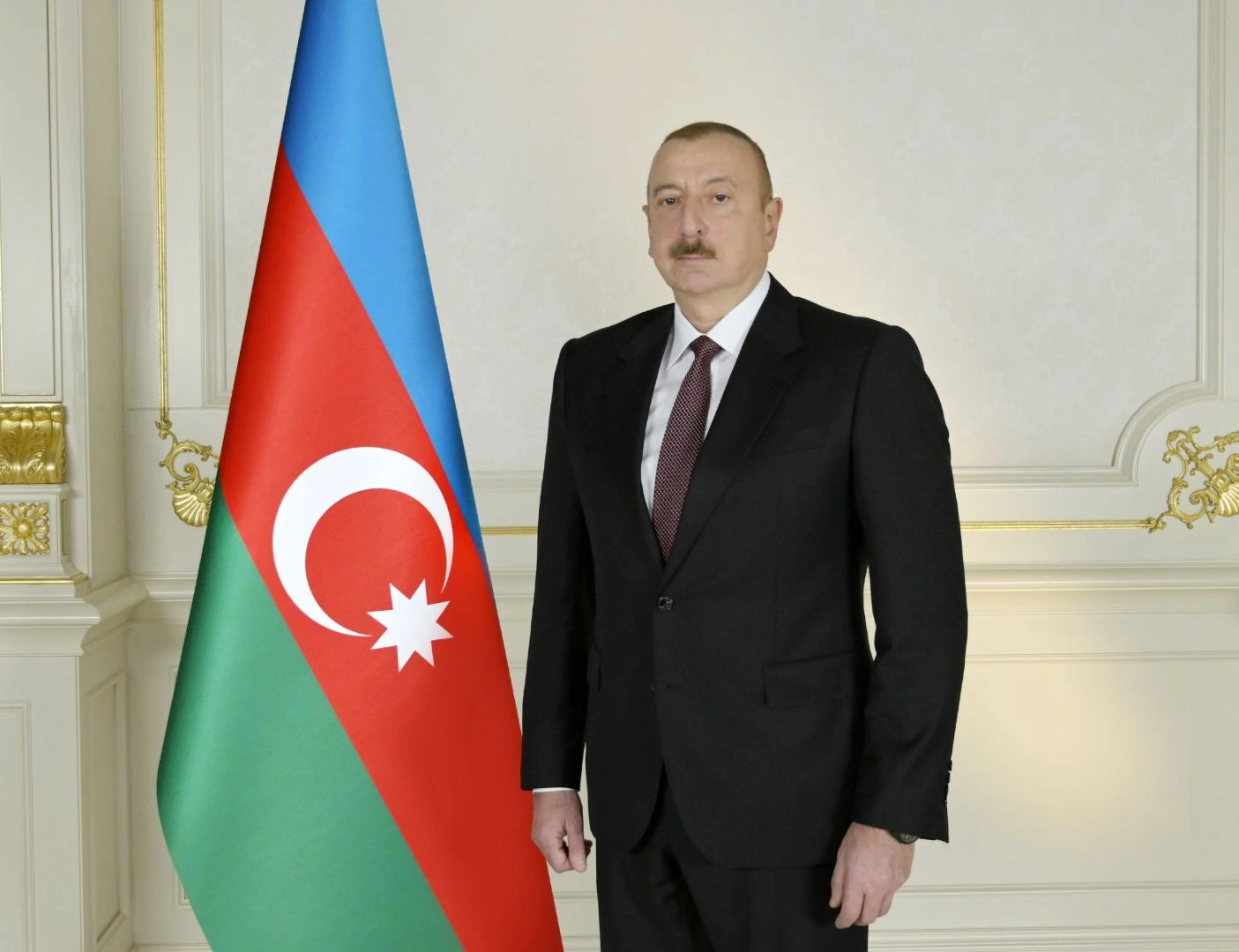
President Ilham Aliyev said in his address to the participants of the Third Ministerial
Meeting of Anti-Corruption Law Enforcement Authorities of the
Member States of the Organisation of Islamic Cooperation, held in
Baku.
The head of state noted that during the nearly 30-year
occupation of Azerbaijan’s territories, the illegal exploitation of
the country’s natural resources, including mineral deposits,
involving foreign entities had caused severe environmental damage
to the region. He added that substantial proceeds derived from
these crimes had been laundered through international financial
channels.
“Digital development, particularly the rapid spread of
artificial intelligence, expands opportunities to combat corruption
while also creating conditions for new forms of corruption and the
misuse of digital financial instruments. The effective use of
modern technological solutions by relevant law enforcement agencies
is particularly important for preventing and efficiently
investigating such crimes.
“I am confident that the discussions and proposals put forward
in Baku will help further strengthen cooperation among OIC member
states in combating corruption, build mutual trust and contribute
to the sustainable development of our countries,” President Ilham
Aliyev added.
The Third Ministerial Meeting of Anti-Corruption Law Enforcement
Authorities of the Member States of the Organisation of Islamic
Cooperation (OIC) is being held in Baku.
The event, taking place at the Baku Congress Center, runs from
October 27 to 28.
More than 250 participants are expected to attend, including
representatives from 48 of the OIC’s 57 member states. They include
heads of 30 government agencies, ambassadors, senior officials and
representatives of five international and regional organizations,
as well as representatives of three observer states.
On the second day of the meeting, interviews with foreign
delegates and prosecutors general are scheduled, followed by the
closing ceremony.