BAKU, Azerbaijan, October 28. Turkmenistan and
the Food and Agriculture Organization of the United Nations (FAO)
have launched a five-year project to promote nature-friendly
practices in agriculture and strengthen the sector’s resilience to
climate change.
This was reflected in a press release published today by the
press service of the Turkmen government.
The initiative is being implemented by Turkmenistan’s Ministry
of Environmental Protection in cooperation with FAO, the Green
Climate Fund (GCF) and the Regional Environmental Centre for
Central Asia (CAREC), under a signed memorandum of
understanding.
According to the press release, during the project presentation
in Ashgabat, FAO Subregional Office Lead Technical Specialist
Ivetta Zenina and project experts outlined plans to introduce
technologies for monitoring carbon footprints, including smart
equipment, laser water meters and precision weather modelling for
dayhan farms (local private family-run farms).
The Lebap region’s Charjew district has been selected as a pilot
area for testing the environmental technologies. The project will
cover the Hajjiyev, S.A. Niyazov and J. Hekimov dayhan
associations, the report added.
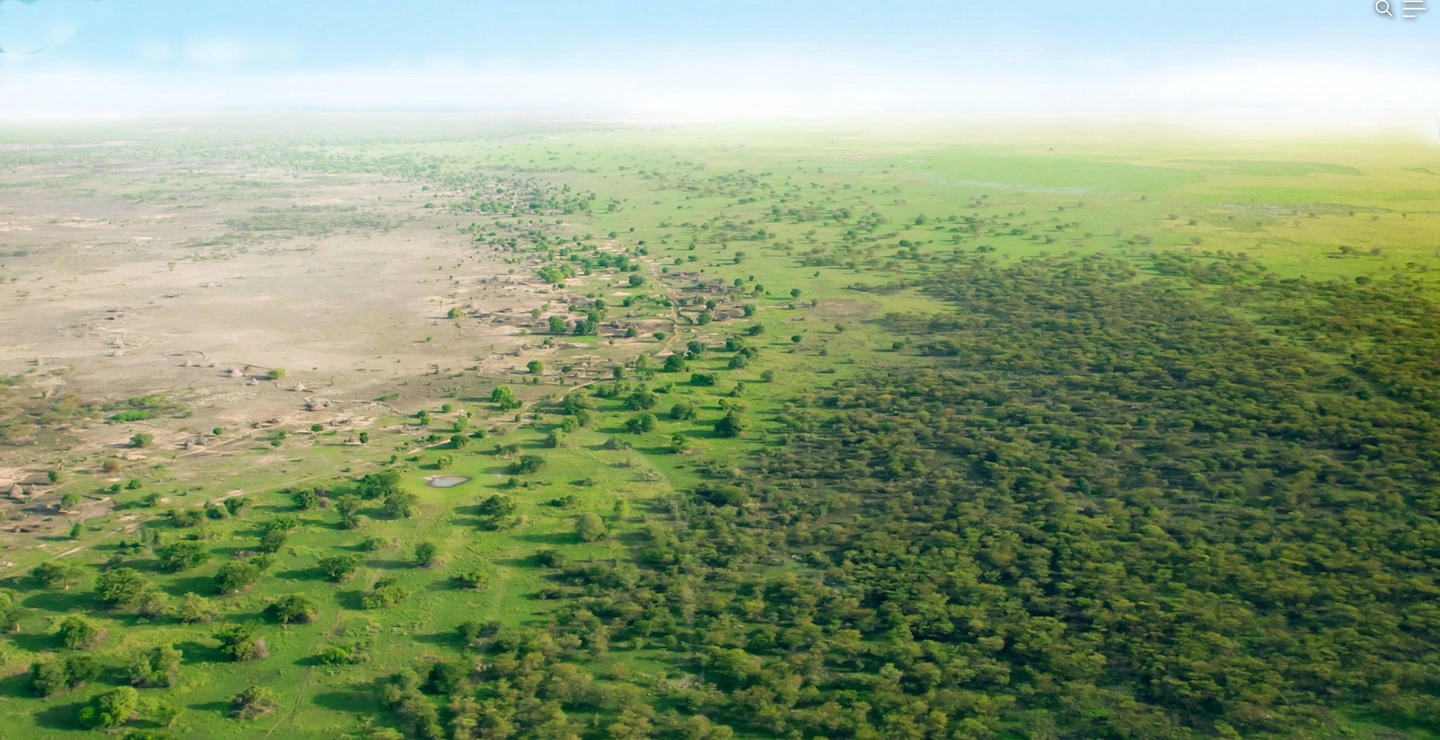
Planned activities include establishing a tree nursery to
develop shelterbelts that protect farmland from wind erosion,
restoring saline soils and planting salt-tolerant vegetation.
The project will also assess the ecosystems of the Repetek
Biosphere Reserve and the wetlands of the Yerajy sanctuary. The
findings are expected to support the preparation of an application
to include the Yerajy lake ecosystem in the international Ramsar
List of Wetlands of International Importance.
According to the report, the project aligns with Turkmenistan’s
updated National Climate Change Strategy and the United Nations’
approach to nature-based solutions.
Meanwhile, climate change and land degradation pose direct risks
to Turkmenistan’s agricultural productivity and food security.
According to a 2026 World Bank study, more than 4.9 million
hectares of land in the country are degraded, with the area
projected to reach nearly 6.3 million hectares by 2050 if current
trends continue. The study estimates that inaction on land
degradation could cost the country an average of nearly $667
million annually over 2024-2050, through lost crop and livestock
production, damage to infrastructure, and declining ecosystem
services. Water availability is another major concern, as
agriculture depends heavily on irrigation and faces mounting
pressure from soil salinization and inefficient water use.
These challenges explain the importance of measures that help
preserve soil productivity and use water more efficiently.
Windbreaks can reduce wind erosion and limit the movement of sand
across agricultural land, while restoring saline soils can help
recover areas where excess salt restricts plant growth.
Salt-tolerant vegetation can also support the stabilization of
degraded land. More precise water measurement and weather
forecasting can help farmers make better-informed irrigation
decisions, reducing avoidable water losses and helping protect
yields under increasingly difficult climatic conditions.
The project’s research component also covers ecosystems that
illustrate how plants and wildlife survive in Turkmenistan’s harsh
natural conditions. The Repetek Biosphere Reserve, established in
the Karakum Desert in 1927, protects desert landscapes and
extensive black saxaul vegetation, which provides habitat for
wildlife, including goitered gazelles and desert birds. Repetek is
also known as the hottest place in the former Soviet Union: a
temperature of 51.8°C in the shade was recorded there in 1983,
according to the Turkmen government. The reserve’s purpose is also
to protect and study the species and ecological processes that
sustain life in an extremely arid environment.
The Yerajy sanctuary, established in 1977 and managed as part of
the Repetek reserve system, protects a different but related
environment: the Yerajy lake and surrounding areas, including
saxaul groves and habitats used by waterbirds. The contrast between
these wetlands and the surrounding desert makes the area important
for understanding how water availability shapes local ecosystems.
In 2023, the Repetek and Yerajy desert ecosystems were included in
UNESCO’s World Heritage List as part of the transnational
nomination “Cold Winter Deserts of Turan,” submitted jointly by
Turkmenistan, Kazakhstan and Uzbekistan. Research into these
protected areas can help improve understanding of how fragile
desert and wetland ecosystems respond to environmental pressures,
complementing efforts to maintain productive agricultural land and
strengthen the country’s resilience to climate change.