BAKU, Azerbaijan, October 27. Norwegian energy
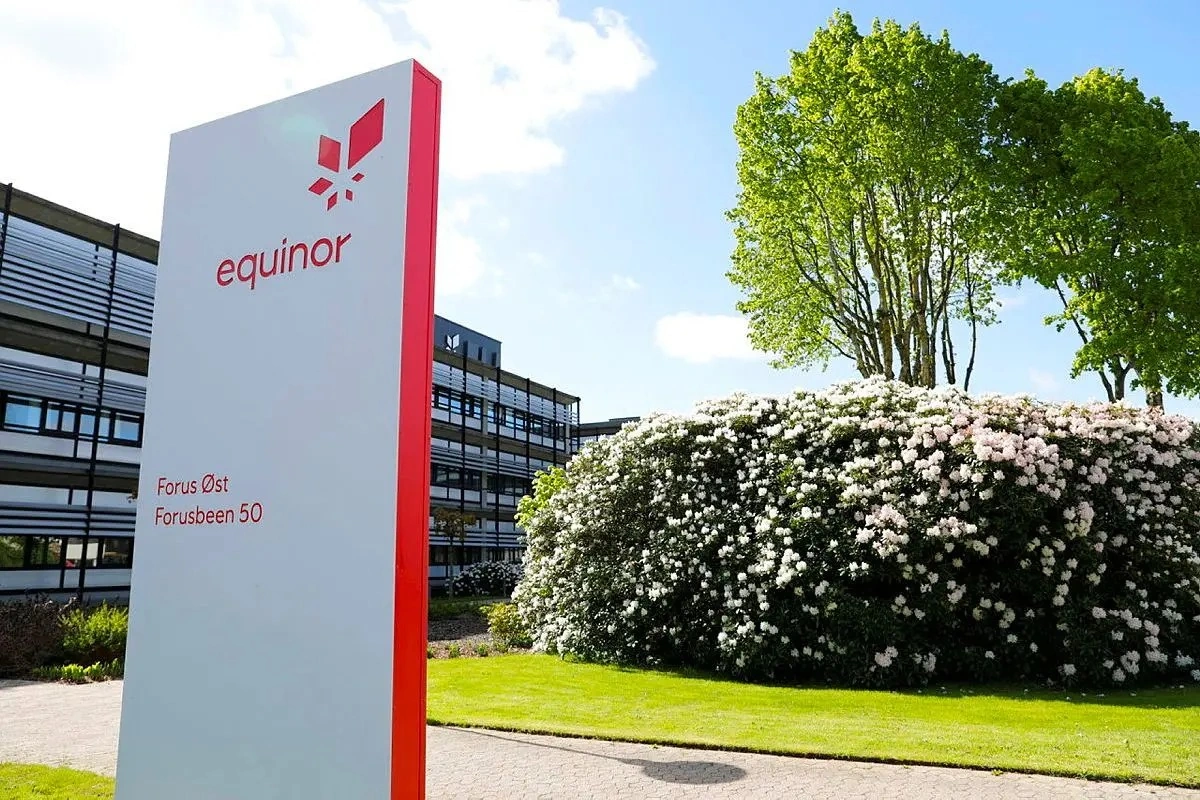
companies Equinor and Aker BP have launched a strategic
collaboration to improve the economics of developing tight oil and
gas reservoirs on the Norwegian continental shelf, aiming to unlock
additional resources and increase recovery rates, Equinor said on
October 27.
The companies plan to accelerate technology development,
standardise solutions and share expertise across multiple projects
to make more discoveries commercially viable.
According to the Norwegian Offshore Directorate, mapped tight
reservoirs on the Norwegian continental shelf have an estimated
recovery potential of around 2.8 billion barrels of oil equivalent,
comparable to the expected recoverable resources of the Johan
Sverdrup field.
Tight reservoirs contain oil and gas that flow slowly through
the rock, making extraction technically challenging and expensive.
Many of the approximately 90 discoveries awaiting development
approval are located in such reservoirs, where conventional methods
recover only a limited share of the available resources.
“By viewing our portfolios in context and developing common
solutions, we can reduce costs and develop and qualify technology
faster. Together, we can make challenging resources profitable.
This benefits all partners and society at large,” said Kjetil Hove,
Equinor’s executive vice president for Exploration & Production
Norway.
The Norwegian Offshore Directorate has encouraged operators to
strengthen cooperation on technology, standardisation and knowledge
sharing to improve the development prospects of these
resources.
Aker BP CEO Karl Johnny Hersvik said combining opportunities
across the two companies’ portfolios would help establish a more
consistent level of activity, accelerate learning and reduce costs.
He added that work under the collaboration would begin
immediately.
The agreement covers prospects, discoveries and projects across
the Norwegian continental shelf. Equinor and Aker BP will
contribute opportunities from their respective portfolios and
identify areas where joint technology development and common
operating approaches could deliver the greatest benefits.
The initiative will also focus on resource maturation and
well-stimulation solutions. The companies aim to create a
predictable pipeline of activity that can support a competitive
supply chain, strengthen technical expertise and ensure suppliers
have the capacity needed to develop more tight-reservoir
discoveries.
The collaboration will be managed through a joint governance
structure and multidisciplinary working groups involving
specialists from both companies.
The Norwegian Offshore Directorate estimated in 2019 that mapped
tight reservoirs on the Norwegian continental shelf contain 12
billion to 13 billion barrels of oil and gas in place. However,
recovery rates remain relatively low. For limestone reservoirs,
estimated average recovery rates stand at 20% for oil, within a
range of 5% to 40%, and 30% for gas, ranging from 10% to 50%. For
sandstone reservoirs, the average recovery rate is estimated at 12%
for oil, within a range of 4% to 20%, and 25% for gas, ranging from
18% to 40%.