ASHGABAT, Turkmenistan, October 22. The
implementation of AI in the oil and gas industry involves a shift
from manual execution of complex production operations to automated
and autonomous solutions, as well as training employees to work
with new technologies, EMEA Business Development Leader for AI and
Industrial Autonomous Solutions at Honeywell, Nimer Al Assi said,
Trend's special
correspondent reports.
Nimer Al Assi made the remark at the 31st International
Conference and Exhibition “Oil and Gas of Turkmenistan” (OGT 2026)
in Ashgabat on October 22.
According to him, the use of AI helps improve the performance of
operators and process engineers by simplifying complex processes
and gradually transitioning them to a higher level of
automation.
At the same time, an important prerequisite for implementing new
solutions is the willingness of staff to change their usual work
methods. Nimer Al Assi emphasized that resistance to new
technologies is a natural reaction among employees, so companies
must pay special attention to change management.
“This is precisely where change management comes in: it builds
trust, familiarizes operators with new technologies, and explains
how to properly adapt and use them,” he noted.
According to a Honeywell representative, technological
transformations must be accompanied by ongoing employee training
and an explanation of the practical benefits of the new tools. This
will help build trust in artificial intelligence and facilitate its
integration into everyday production processes.
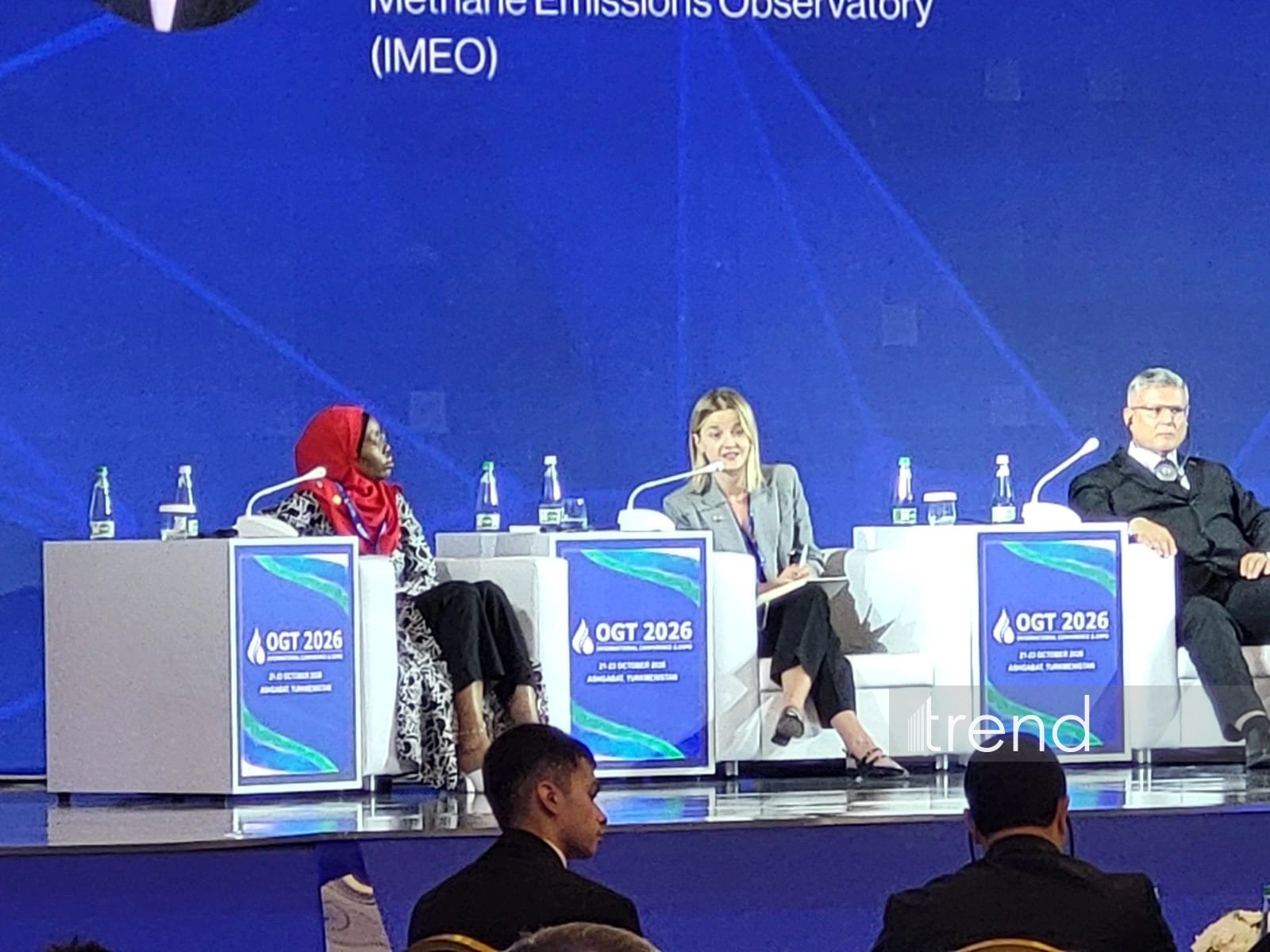
The second day of the 31st International Conference and
Exhibition “Oil and Gas of Turkmenistan” (OGT 2026) is taking place
in Ashgabat. As part of the event, a session was held on the topic
“Investment and development opportunities in the Turkmen sector of
the Caspian Sea.” Participants are discussing opportunities for
developing the Turkmen sector of the Caspian Sea, prospects for
offshore exploration and hydrocarbon production, as well as the
development of international partnerships.
The agenda also includes existing and new production-sharing
agreements (PSAs), as well as modern seismic survey programs aimed
at assessing resource potential and preparing promising blocks for
development.