BAKU, Azerbaijan, October 19. Kazakhstan and
Cambodia have discussed expanding agricultural trade, increasing
export supplies and exploring joint projects in processing and
investment, according to the Kazakh Ministry of Agriculture.
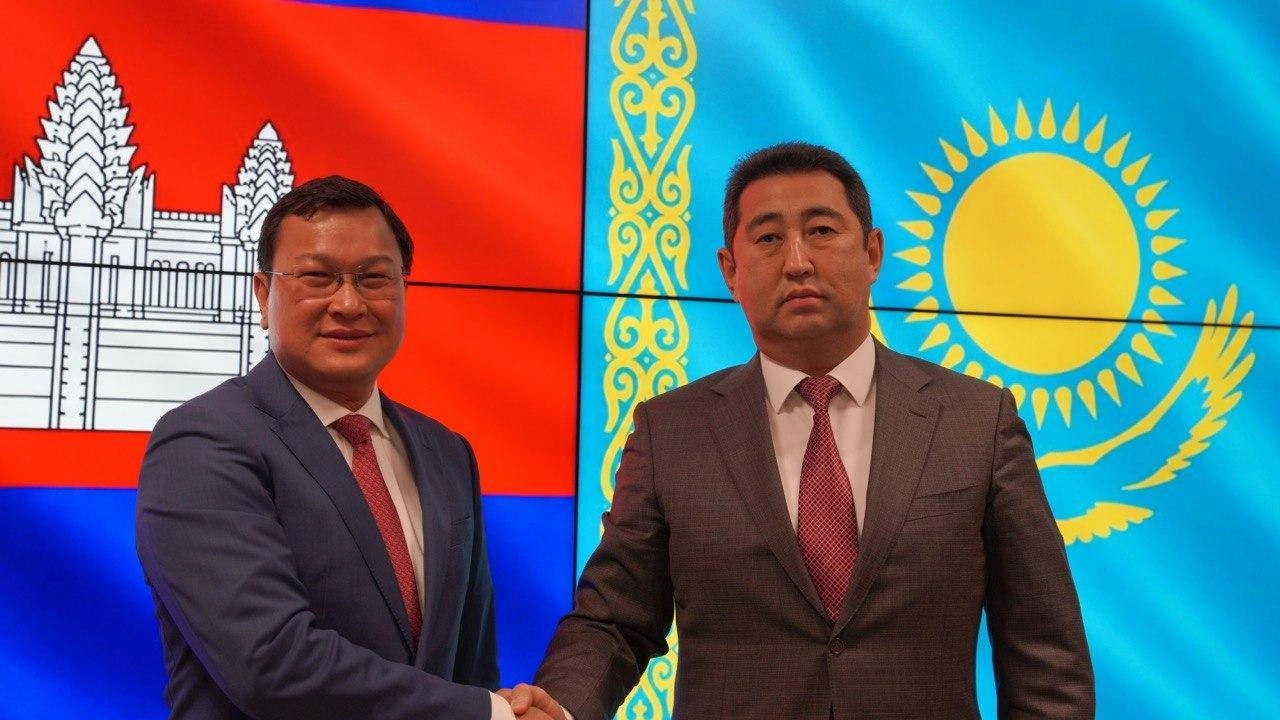
The issues were discussed at a meeting between Kazakh Minister
of Agriculture Aidarbek Saparov and Cambodian Minister of
Agriculture, Forestry and Fisheries Dith Tina.
"Kazakhstan sees significant potential for strengthening its
agricultural partnership with Cambodia. Our country has a strong
agricultural production base and capacity that allow us to increase
supplies of grain and meat products to foreign markets. We are
interested in expanding our export geography, strengthening trade
ties and implementing mutually beneficial initiatives. I am
confident that consistent work in these areas will give additional
impetus to bilateral cooperation," Saparov said.
He noted that grain trade would be one of the key areas of
cooperation. Kazakhstan's grain harvest has exceeded 27 million
tons for two consecutive years.
In the previous marketing year, Kazakhstan's grain exports
reached 15.3 million tons, up 70% compared to the previous
corresponding period. This was the highest grain export volume in
20 years.
In view of this export potential, Kazakhstan proposed exploring
wheat supplies to Cambodia, taking into account local market
demand, product quality requirements and logistical conditions.
The parties also discussed exports of meat products, including
prospects for supplying Kazakh beef and lamb that meet halal
requirements.
Dith Tina expressed interest in expanding imports of Kazakh
agricultural products, including apples and meat. The sides also
identified opportunities for cooperation in aquaculture.
"We are interested in strengthening our partnership with
Kazakhstan in agriculture. The meeting confirmed the potential for
expanding bilateral trade. We propose continuing work on the agreed
areas and formalizing the main arrangements in a memorandum of
cooperation," Dith Tina said.
To coordinate further efforts, Saparov proposed establishing a
joint working group. It would address the terms of mutual supplies,
market access for agricultural products in both countries, direct
contacts between producers and importers, and opportunities for
joint processing and investment projects.
Following the meeting, the parties reaffirmed their readiness to
continue working on the agreed areas, focusing on expanding trade
ties and implementing joint initiatives.