BAKU, Azerbaijan, September 16. Uzbekistan
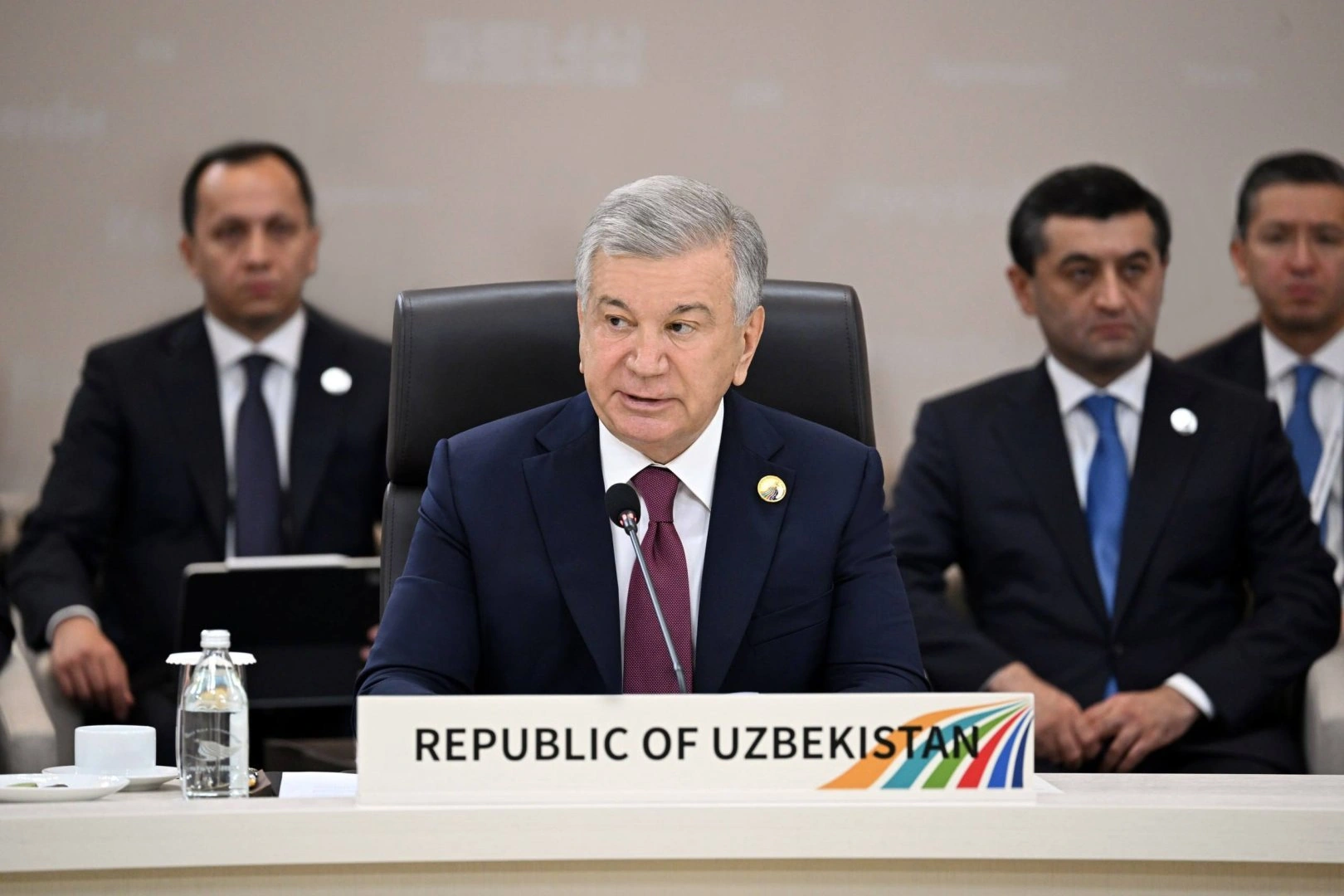
President Shavkat Mirziyoyev outlined five strategic areas for
expanding cooperation between Central Asia and South Korea at the
first Central Asia-South Korea summit in Seoul, calling for a
long-term framework for partnership amid rapid global economic and
technological changes.
This was reflected in the statement by the press service of the
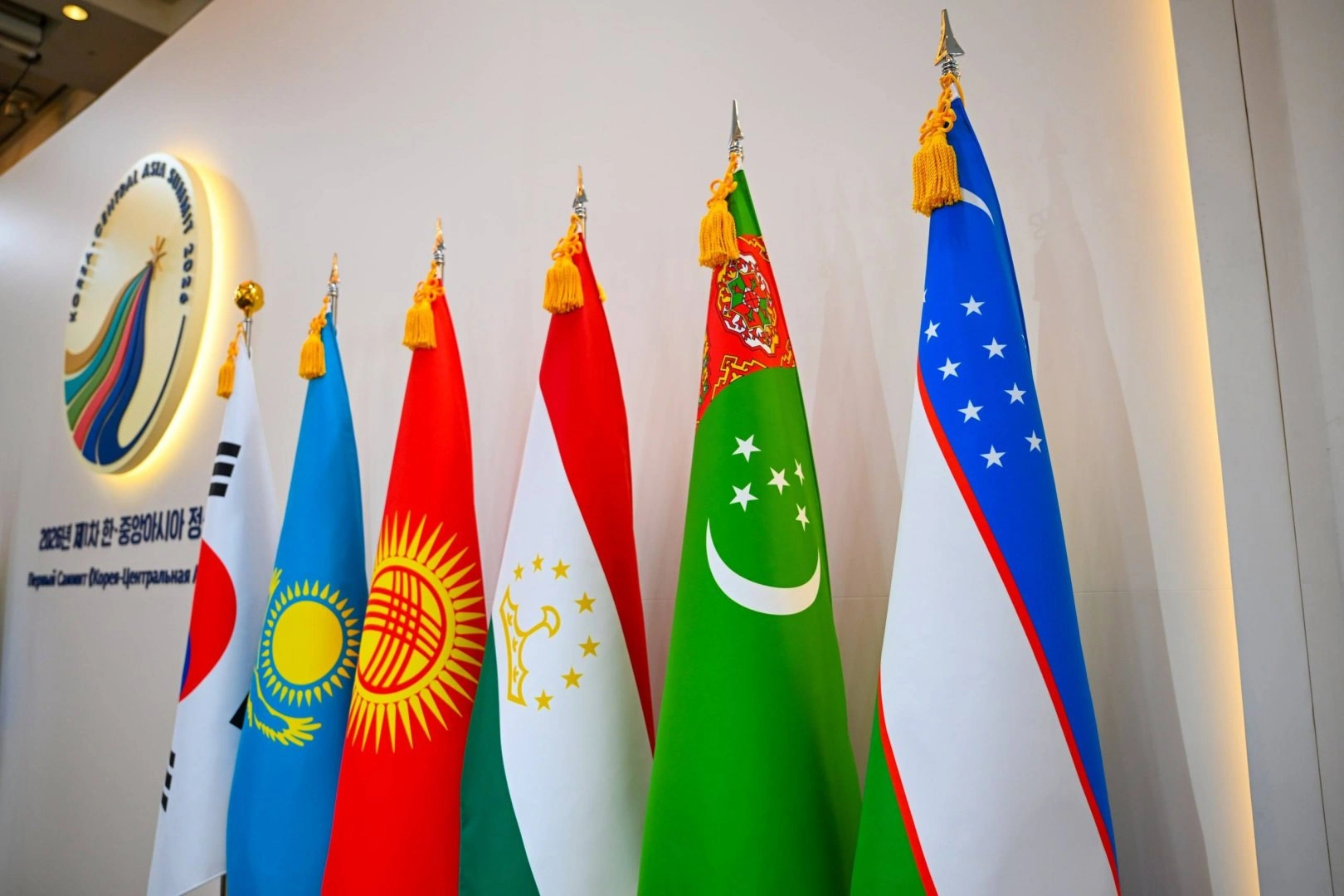
Uzbek president, following the summit, chaired by South Korean
President Lee Jae Myung, brought together the presidents of
Uzbekistan, Kazakhstan, Kyrgyzstan, Tajikistan and
Turkmenistan.
The leaders discussed prospects for expanding mutually
beneficial cooperation in security, practical economic ties and
humanitarian exchanges.
In his remarks, Mirziyoyev noted that South Korea was among the
first countries to recognize Central Asia's potential for
multilateral cooperation, highlighting Seoul's contribution to
industrialization, infrastructure modernization and sustainable
development in the region.
“We sincerely value the significant contribution of the Korean
side to the industrialization of our countries, the modernization
of infrastructure and the creation of a solid foundation for
sustainable development,” Mirziyoyev said.
The Uzbek president said the priority now is not only to
preserve the momentum achieved in recent years but also to create a
foundation for a new stage of cooperation.
The first proposed area focuses on developing a long-term vision
for the partnership. Mirziyoyev called for a concept titled
“Central Asia-South Korea: Partnership for Advanced Development,”
which would address challenges linked to artificial intelligence,
climate and water risks, education, infrastructure, technology and
human capital.
The second area covers trade, investment and industrial
cooperation, including the creation of a platform for meetings
between Central Asian and Korean industry and trade ministers.
The third focuses on critical minerals and the proposed
establishment of a Regional Investment Alliance for Critical
Minerals.
The fourth area centers on green development and climate
adaptation through a proposed Central Asia-South Korea Climate and
Carbon Partnership.
The fifth priority is human capital development. Mirziyoyev
proposed a long-term partnership based on the principle of
“demand-training-employment” to help young people gain skills
needed for the technology-driven economy.
“It is fundamentally important for us that the younger
generation becomes part of the modern technology-driven economy
tomorrow, gaining access to advanced knowledge, skills and
international experience,” he said.
The summit concluded with the adoption of the Seoul Declaration
and other documents covering priority areas of cooperation.