BAKU, Azerbaijan, September 16. Central Asian
countries and South Korea aim to increase their trade turnover to
$20 billion by 2030, as Uzbekistan President Shavkat Mirziyoyev
proposed new mechanisms to expand trade, industrial cooperation and
investment between the region and Seoul.
This was reflected in the statement by the press service of the
Uzbek president.
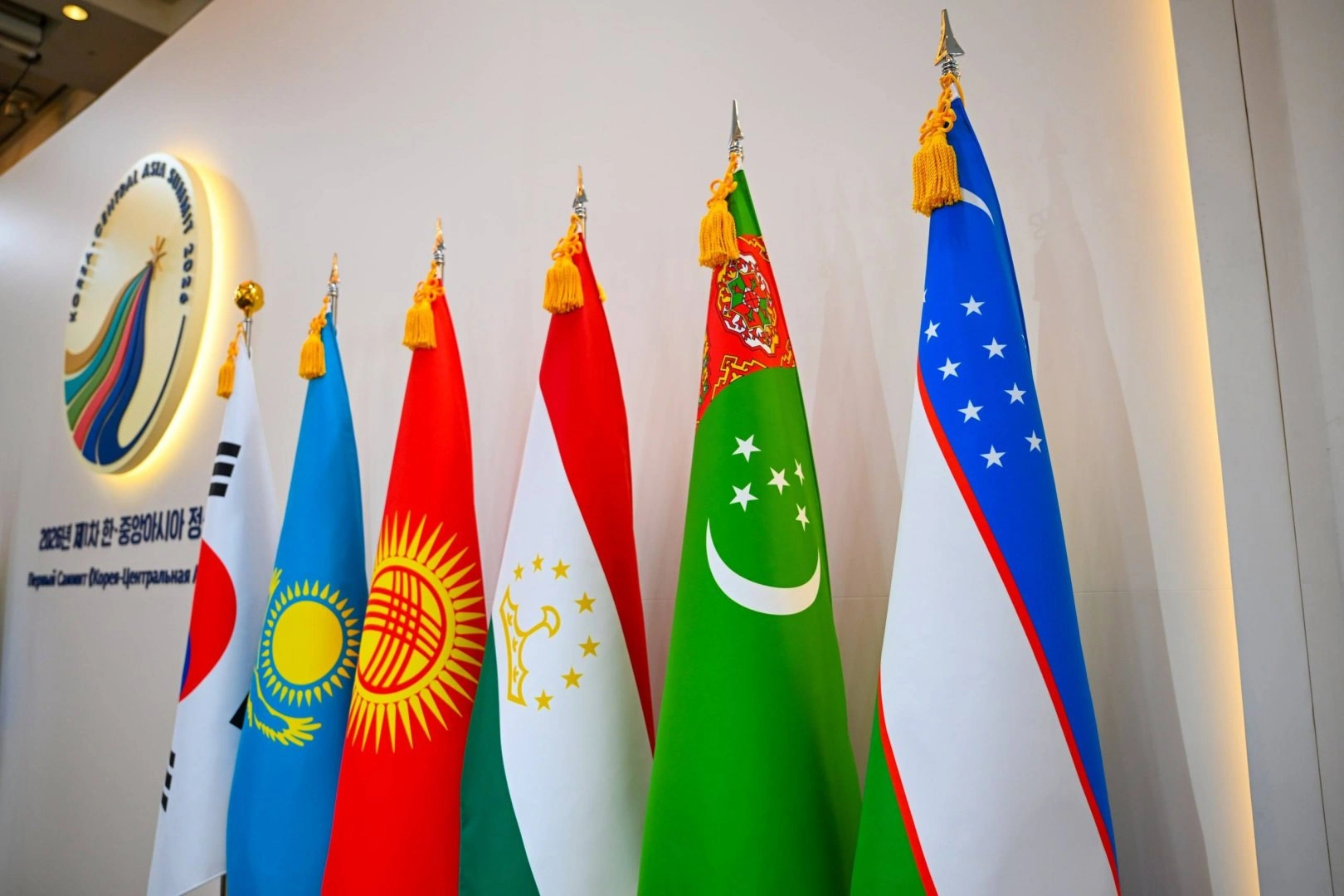
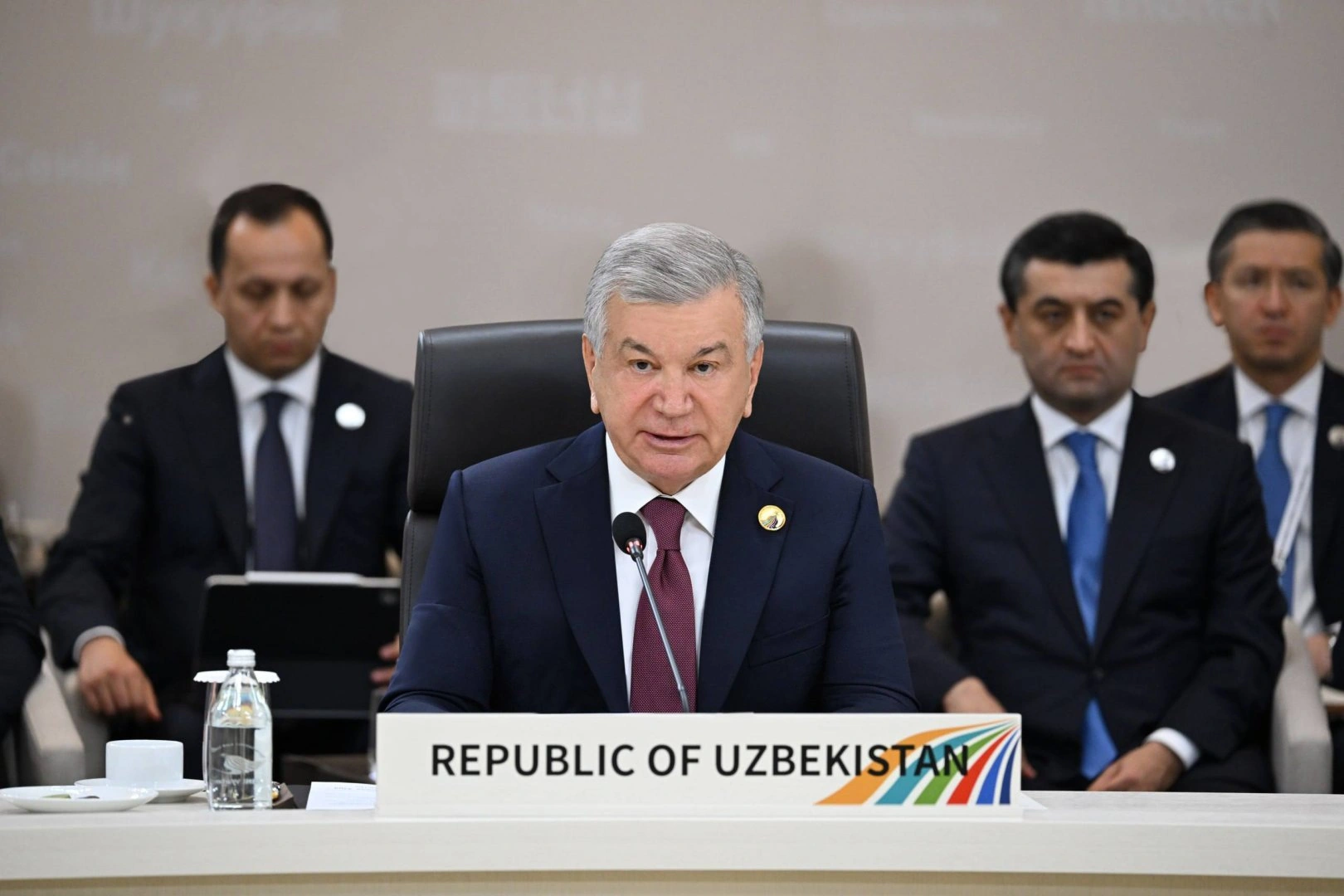
Speaking at the first Central Asia-South Korea summit in Seoul,
Mirziyoyev said the region should bring its trade, economic and
investment opportunities together within a unified business
framework.
“Today, Central Asia is no longer solely a supplier of raw
materials. Our countries are actively integrating into global value
chains, expanding opportunities for innovation and technological
cooperation,” Mirziyoyev said.
He noted that the region's growing demand and production
capabilities could make Central Asia an important partner for South
Korea across Eurasia.
Mirziyoyev backed an initiative to establish a platform for
regular meetings between the region's industry and trade ministers.
The mechanism would help Central Asian countries and South Korea
coordinate efforts to significantly increase bilateral trade.
He also called for practical measures to remove trade barriers,
simplify certification procedures and facilitate reciprocal access
for products to local markets.
“I am convinced that these steps will allow us to reach an
ambitious but entirely achievable goal — bringing the trade
turnover of the countries of our region with Korea to $20 billion
by 2030,” Mirziyoyev said.
As part of efforts to expand industrial and investment
cooperation, Uzbekistan proposed hosting a Central Asia-South Korea
Industrial and Technological Park.
According to Mirziyoyev, the park could serve as an innovation
and manufacturing base for the regional market, with cooperation
focused on producing auto components, electrical equipment,
machinery, pharmaceuticals and chemicals.
The Uzbek president also highlighted stronger direct ties
between Central Asian regions and South Korean counterparts as an
important driver of economic cooperation.
He invited regional authorities and businesses from across
Central Asia to participate in the Third Central Asia-South Korea
Interregional Forum, which Uzbekistan plans to host in Samarkand
next year.
The proposals were presented as part of a broader effort to move
Central Asia-South Korea economic relations toward higher-value
production, deeper industrial cooperation and greater integration
into global value chains.