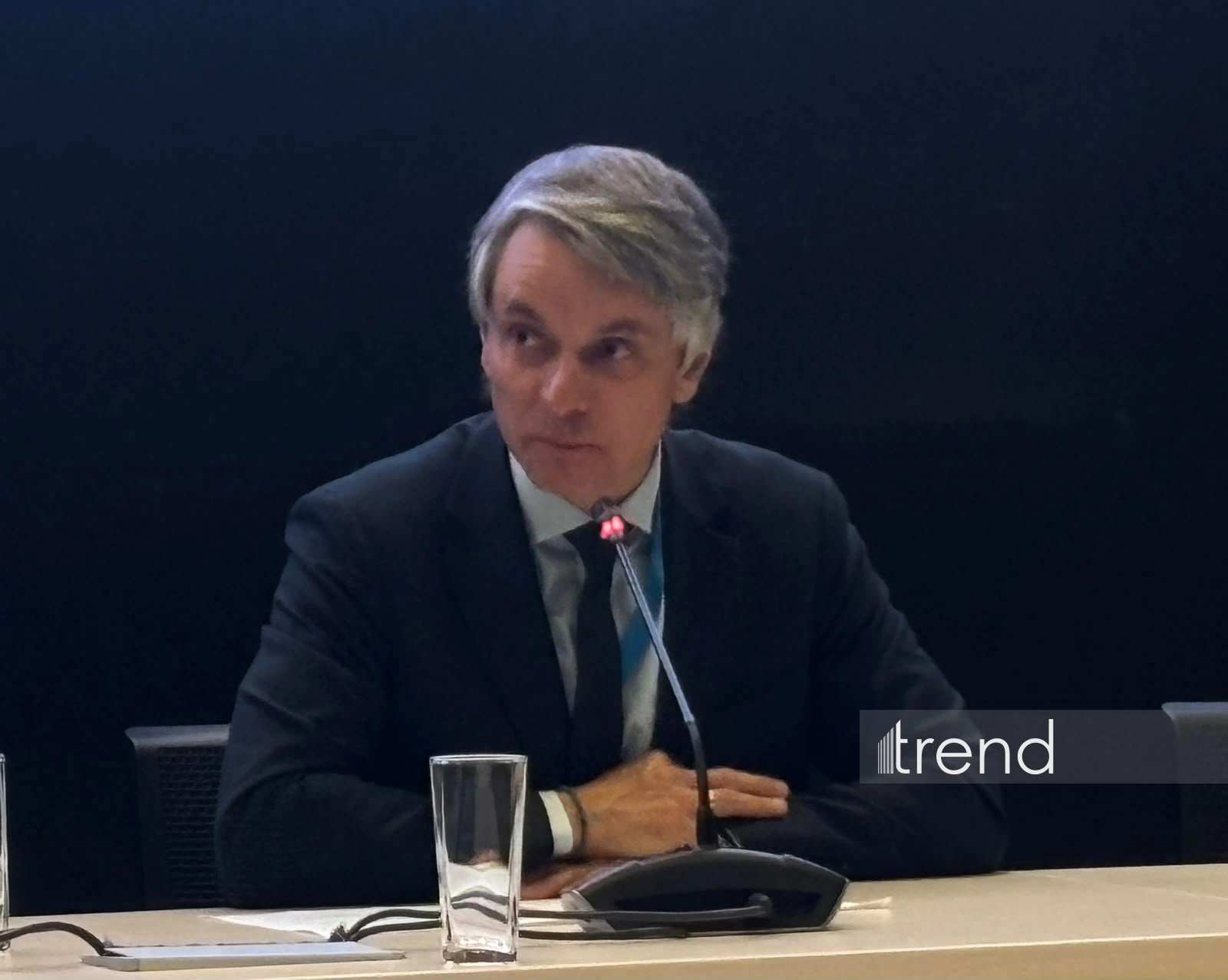
BAKU, Azerbaijan, September 10. The goals of
the COP31 presidency should be viewed not only as climate
commitments but also as opportunities for businesses, Deputy
Executive Secretary of the United Nations Economic Commission for
Europe (UNECE) Dmitry Mariyasin said during the Baku Climate Action
Week, Trend's
correspondent reports from the event.
"Each goal of the COP31 presidency, which is ambitious, is in
fact a business opportunity to scale up action and deliver tangible
changes in the way energy and urban systems operate. Climate action
is implemented at the city level. This is where ministers'
ambitions are tested against the reality of rapidly growing and, in
some cases, highly unsustainable cities around the world," he
said.
According to him, energy efficiency in buildings is a key issue,
as the technical and policy decisions being made today will
determine the livability of cities, public health conditions and
opportunities for communities to develop. "The climate agenda is
about people, their future and, more broadly, their ability to
preserve this planet. This agenda is not only an environmental
issue but also a question of the future of the economy. UNECE
strongly welcomes the ambitions set out in the proposed Antalya
Building Energy Efficiency Agreement," Mariyasin said.
He noted that the target of reducing the energy intensity of
buildings by at least 25% by 2035 represents a measurable indicator
that can help move the global buildings agenda from commitments to
implementation.
Mariyasin stressed that achieving this goal requires looking
beyond individual buildings and considering the entire value chain
and life cycle of urban development. "Transforming supply chains in
the construction sector can make a long-term contribution, but
addressing the value chain is more complex than focusing on an
individual building," he said.
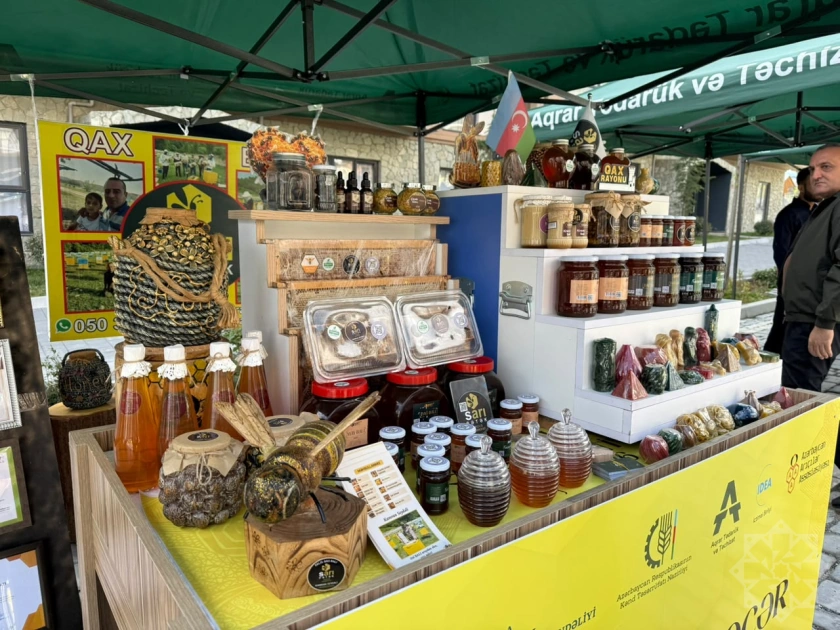
The fourth day of Baku Climate Action Week is being held
today.
The event features discussions on climate action, energy
transition, climate finance, sustainable cities, water resources,
agriculture, digital technologies and other areas.