BAKU, Azerbaijan, September 9. The energy
transition is contributing to the creation of new employment
opportunities and increasing demand for qualified specialists,
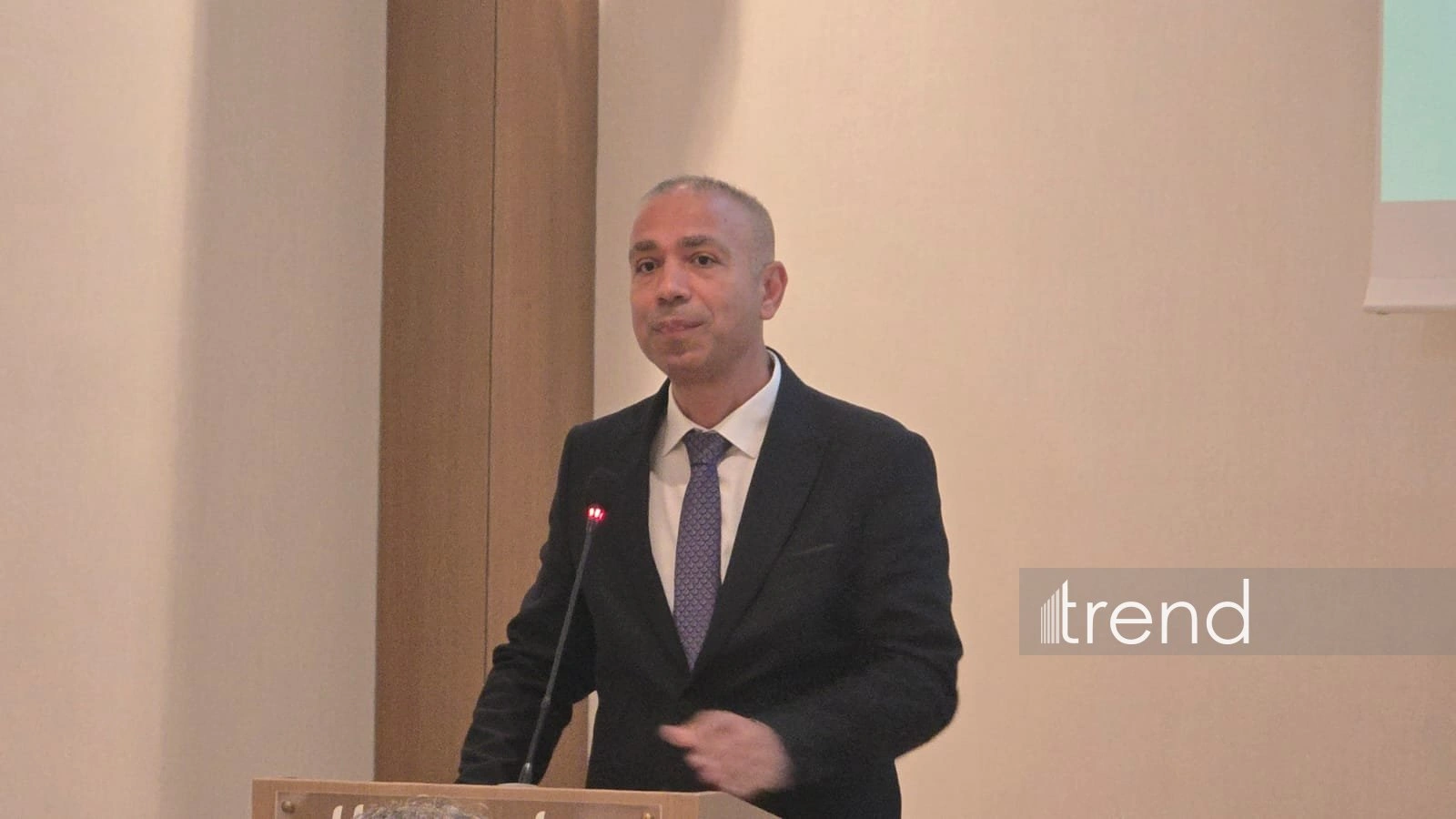
Deputy Minister of Energy of Azerbaijan Elnur Soltanov said during
the presentation of a new social investment project by bp and its
partners aimed at supporting the development of local specialists
in renewable energy and energy efficiency, Trend's correspondent
reports from the event.
According to him, if one of the main processes changing the
political and economic landscape in the modern world is artificial
intelligence, then the second important process is the energy
transition.
"The energy transition began even before artificial intelligence
and is currently gaining new momentum and accelerating. The basis
of this transition is green energy, nuclear energy, and especially
electrification based on renewable energy sources," the deputy
minister noted.
Soltanov said that one of the important directions of the
electrification process is the decentralization of energy
networks.
"While previously there were large power plants and centralized
networks, currently the process of decentralization is underway in
energy systems," he added.
According to the deputy minister, one of the main problems of
renewable energy sources is their variable nature.
"The main difficulty of renewable energy is its variable nature.
Managing this variability is a major challenge for power networks.
Networks are one of the most complex and influential
infrastructures of modern civilization," Soltanov said.
He emphasized that for the successful implementation of the
energy transition, there is a great need for qualified personnel
with technical knowledge in electrification, alternating and direct
current, transformers, and power networks.
"The transition to green energy is impossible without
modernizing the networks," the deputy minister said.
Soltanov noted that the participation of the private sector and
investors in energy production in Azerbaijan is encouraged.
"The state is interested in attracting private investments while
maintaining its regulatory function. Because the construction of
power plants, determining 25-year tariffs, calculating network
connection and management costs require serious expertise," he
said.
The deputy minister noted that opportunities have also been
created in Azerbaijan for small-scale solar energy projects.
According to him, currently, legal entities and individuals have
been given the legal opportunity to install mini-solar power plants
with a capacity of up to 150 kilowatts. This is equivalent to about
300 solar panels.
"This area both creates a source of income and opens up new job
opportunities for specialists in the areas of installation,
maintenance, and management," Soltanov emphasized.