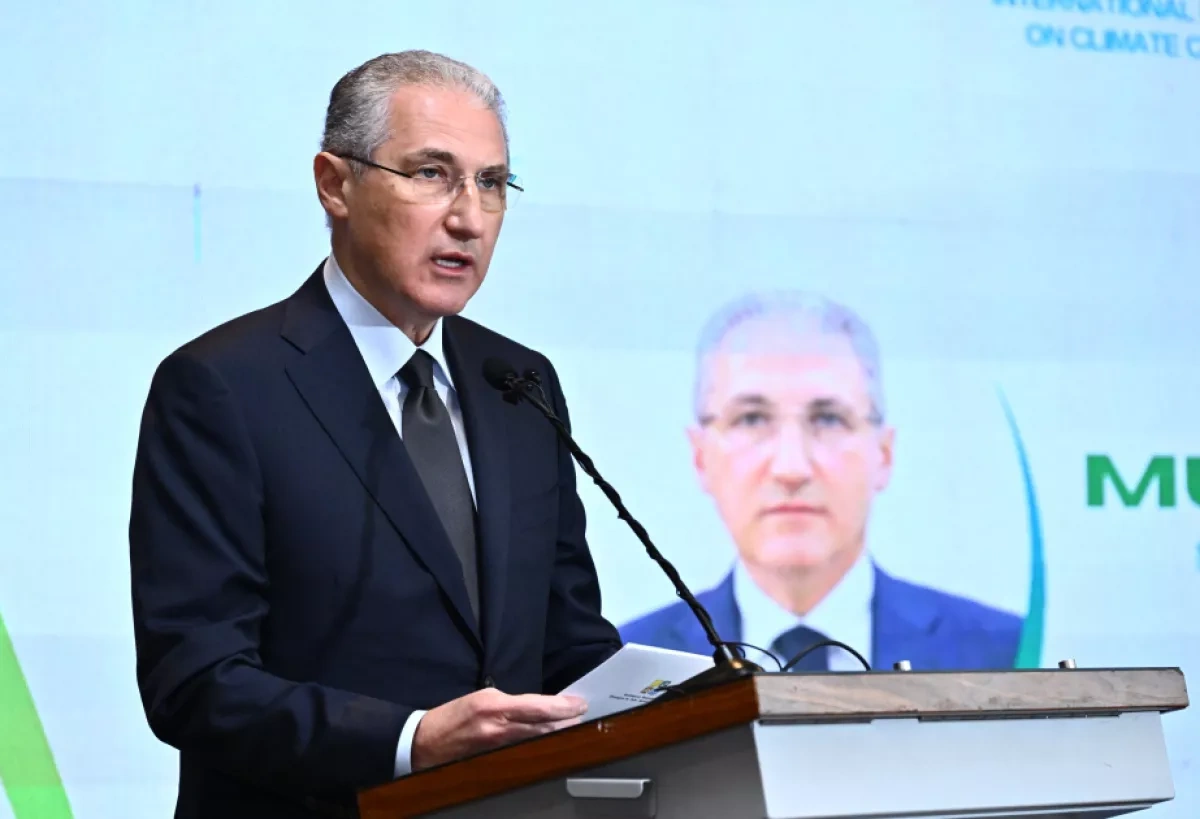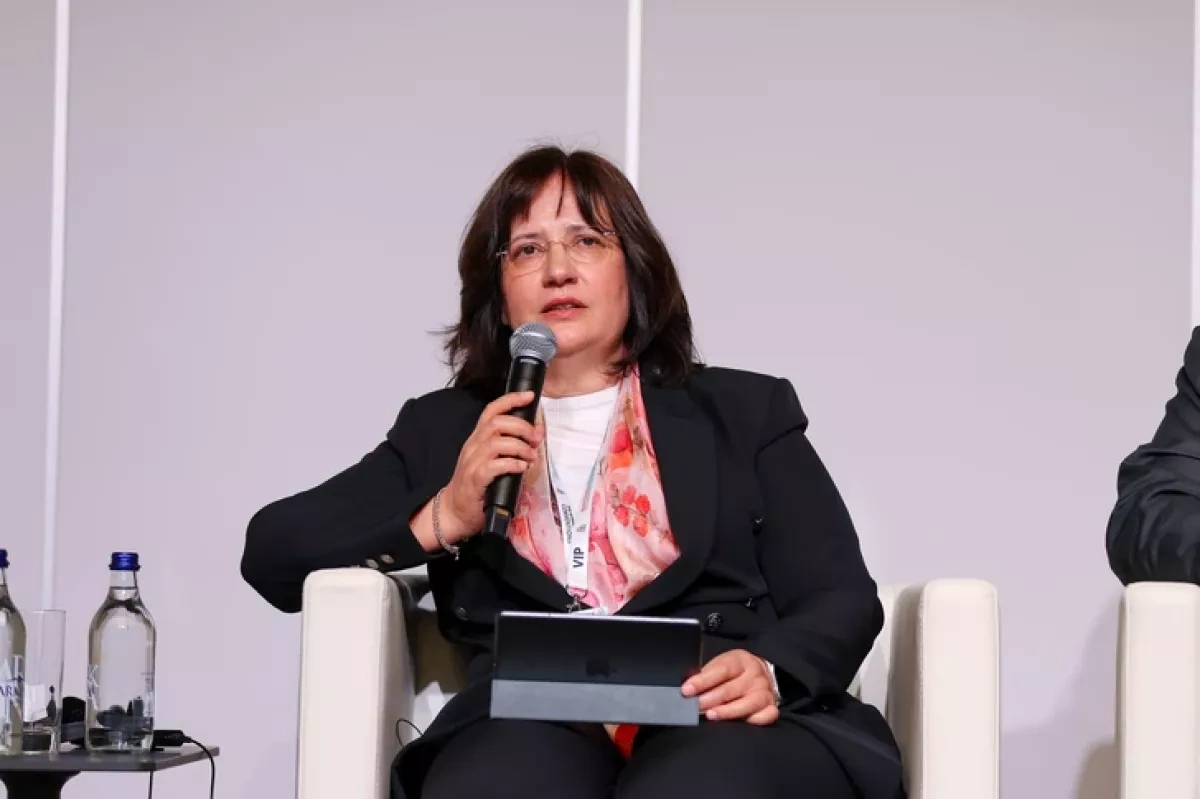
The global need for climate finance currently stands at between $7.5 trillion and $9 trillion annually, while existing financial flows amount to about $1.9 trillion, Fatma Varank, Executive Director of COP31 and Türkiye's Deputy Minister for Environment, Urbanisation and Climate Change, said on September 7.
“The global need for climate finance stands at $7.5–9 trillion a year, whilst existing financial flows amount to around $1.9 trillion,” Varank said at the opening of Baku Climate Action Week 2026 (BCAW 2026), according to a Caliber.Az correspondent.
Varank said the mission of COP31 was to turn specific climate goals into tangible results, projects and investments.
She noted that the COP31 Action Programme, announced in June, comprises 10 key areas: clean energy, water resources, urban energy, industrial decarbonisation, education, food security, oceans and seas, resilient and sustainable health systems, renewable energy, and building a “bridge” between climate commitments and their practical implementation.
“This agenda is aimed at accelerating the practical implementation of climate commitments,” she noted.
Speaking about global climate initiatives announced by the COP31 Presidency, Varank highlighted the target on electrification. Under the “35 by 35” initiative, the plan is to increase the share of electricity in global final energy consumption to 35% by 2035.
Another target is to reduce the energy intensity of the construction sector by at least 12.5% by 2035, she said.
Varank also highlighted a target to halve the volume of food waste by 2035. Türkiye plans to draw on the experience of the “Zero Waste” movement and make the circular economy and climate education central elements of the initiative.
“Access to finance remains one of the main obstacles standing between climate targets and their implementation. It is precisely to bridge this gap that we have developed and are implementing the ‘Climate Action Bridge’,” she emphasised.
According to Varank, the mechanism is intended to turn individual countries’ climate priorities into projects ready for funding, helping attract the investment required to implement climate initiatives.
By Sabina Mammadli