The delivery of Chinese military aircraft to Uzbekistan and the high-profile Shanghai Cooperation Organisation summit in Kyrgyzstan have once again demonstrated the growing importance of Central Asian countries in global politics. At the heart of this trend is their refusal to take part in the confrontation between the West and Russia and their pragmatic search for alternatives.
Quiet but effective
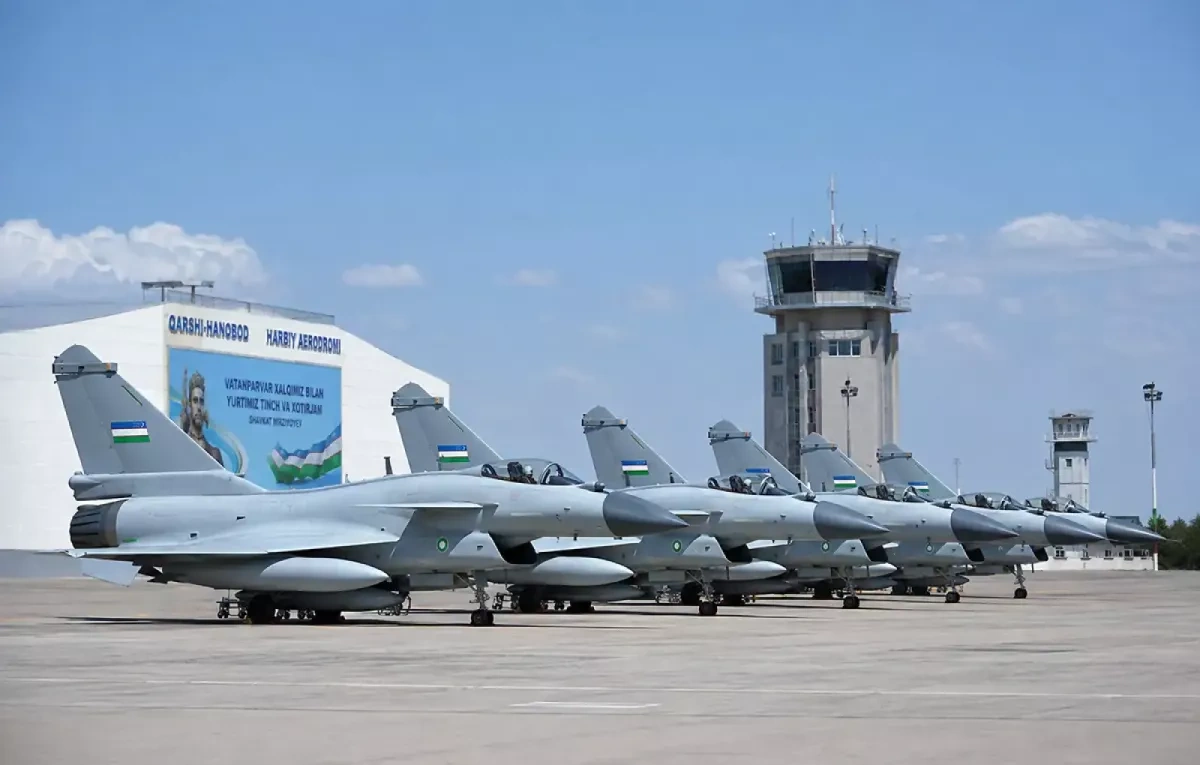
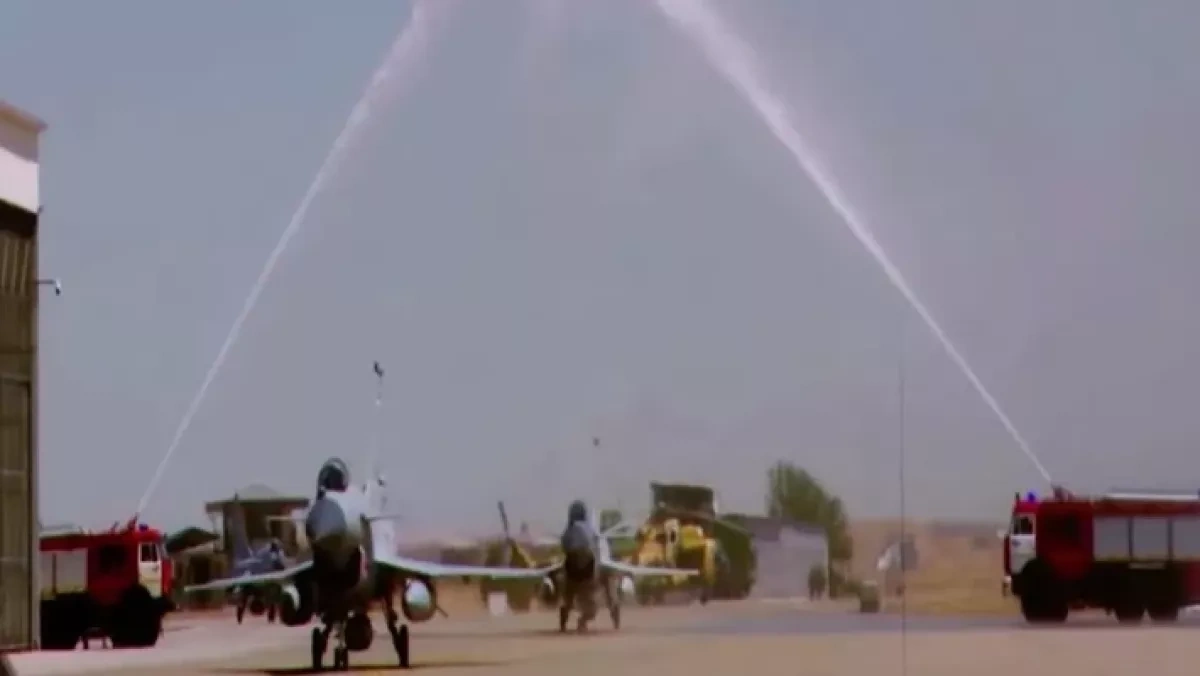
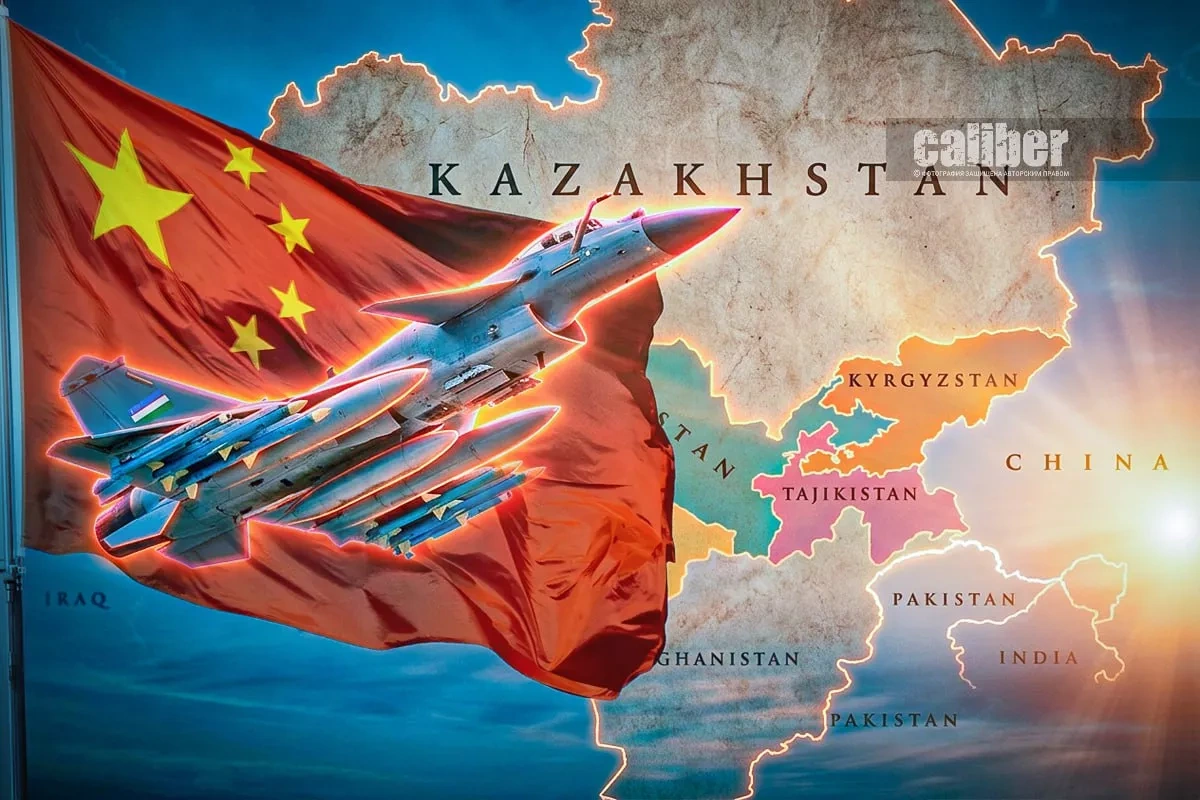
Last week, during a parade marking Independence Day, the Uzbek Armed Forces quietly showcased around six Chinese-made J-10CE fighter jets among its other military equipment, without providing any particular comment. Then, a couple of days later, Uzbekistan’s Defence Ministry released a video under the modest title “Modern Fighter Jets Guarding the Country’s Airspace.”
Although the video merely showed several J-10CE fighters taking off and landing, their appearance was nevertheless a sensation. Rumours that the aircraft had entered service had been circulating for months, but there had been no official confirmation. The news is significant not only for the military balance in the region but also for the configuration of international relations in Central Asia and beyond, touching on broader global issues as well.
Uzbekistan’s Defence Minister Shukhrat Khalmukhamedov said as early as July last year that a contract for the supply of aircraft had been signed with China. However, nothing else was known about the deal. It had not even been officially announced which aircraft were being purchased or in what numbers. At the same time, Pakistani state media reported that the deal involved the purchase of 24 J-10CEs. No further details of the contract have been disclosed to date. However, the figure is probably accurate, as it was reported by sources close to the Pakistani military, and Pakistan has been China’s closest ally since the country’s founding.
Even based on these scant details, it can be said that Tashkent is effectively doubling the potential of its air force. It is believed that the Uzbek Air Force currently operates 12 MiG-29 fighter jets and 12 Su-25 ground-attack aircraft, with an additional number of MiG-29s, Su-27s and Su-24s in storage. But the issue is not simply that, figuratively speaking, Uzbekistan will have two aviation regiments instead of one. It is also about modernizing the fleet, for which Tashkent has taken a truly substantial approach. Uzbekistan has received the latest version of the aircraft: the Chinese military itself only introduced the J-10C variant into service in 2018.
It should be understood that this purchase is only part of Uzbekistan’s broader plans to strengthen its military capabilities. This is important in the context of the new regional balance of power that has emerged in recent years following the withdrawal of Western occupying forces from Afghanistan and the collapse of the pro-American regime in Kabul, as well as the scaling back of Russia’s military presence in the region as Moscow has redirected all its forces and resources toward the war against Ukraine and the EU-NATO countries in Eastern Europe. The time has come for the countries of the region themselves to take responsibility for shaping and stabilizing their neighborhood, and this requires instruments of power as well.
Beyond the “Russia or the West” dilemma
Western experts, viewing the world through the black-and-white lens of confrontation with Russia, have begun celebrating Uzbekistan’s purchase of Chinese fighter jets as supposedly dealing a blow to Russia. They have also sought to argue that “the delivery of J-10CEs to Uzbekistan signals the fast eroding dominance Russia once had in the region - both economically and militarily.”
To begin with, Russia actually left the region long ago. First, amid the turmoil of the Afghan war in the early 2000s, it let the United States and NATO in. It then increasingly linked even initiatives that were seemingly important to the Kremlin, such as the Collective Security Treaty Organization (CSTO) and the Eurasian Economic Union (EAEU), with China’s main integration framework — the Shanghai Cooperation Organisation (SCO). Uzbekistan itself, after becoming a co-founder of the structures that preceded the CSTO, withdrew from them in 1999, rejoined the CSTO in 2006, and left again in 2012.
To fully appreciate Tashkent’s willingness to defend its interests by adjusting its approach to the CSTO, it is worth comparing these open and decisive steps with the Armenian leadership’s current wavering over membership in the CSTO and EAEU. The Uzbek leadership acted on a pragmatic assessment of whether membership served the country’s interests, rather than being guided, as post-Soviet liberal leaders often are, by ideological notions of fighting Russia in pursuit of the illusory prospect of eventually becoming part of the Western bloc — even if only as a de facto colony, for example through associated membership or by placing governance under de facto external control under the guise of reform.
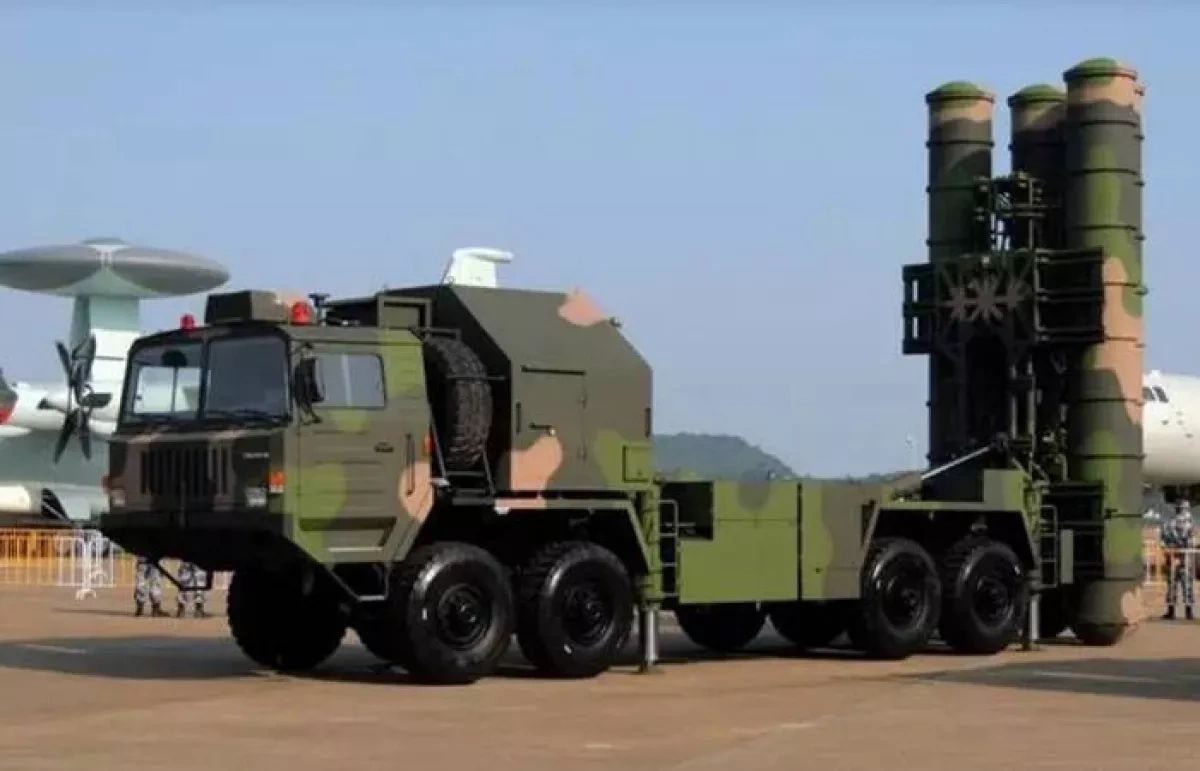
It is hardly surprising, then, that around the same time, following its second withdrawal from the CSTO, Tashkent took its first serious step toward diversifying its defence partnerships with Beijing. In 2015, it became known that Uzbekistan had acquired Chinese HQ-9 surface-to-air missile systems in their export configuration. In fact, the contracts had reportedly been signed as early as 2013. The system was later acquired by Azerbaijan as well, publicly displaying it for the first time in November last year.
The main argument advanced by Western experts provocatively portraying Uzbekistan’s purchase of Chinese rather than Russian aircraft as a major blow to Russian prestige is that the Uzbek side did, in fact, discuss the possibility of purchasing Su-30SM multi-role fighters from Russia as far back as 2017. In 2019, media reports said Uzbekistan had formally requested the acquisition of the aircraft through a Russian state export credit. Russian officials subsequently confirmed that Tashkent had expressed interest in purchasing the Su-30SM.
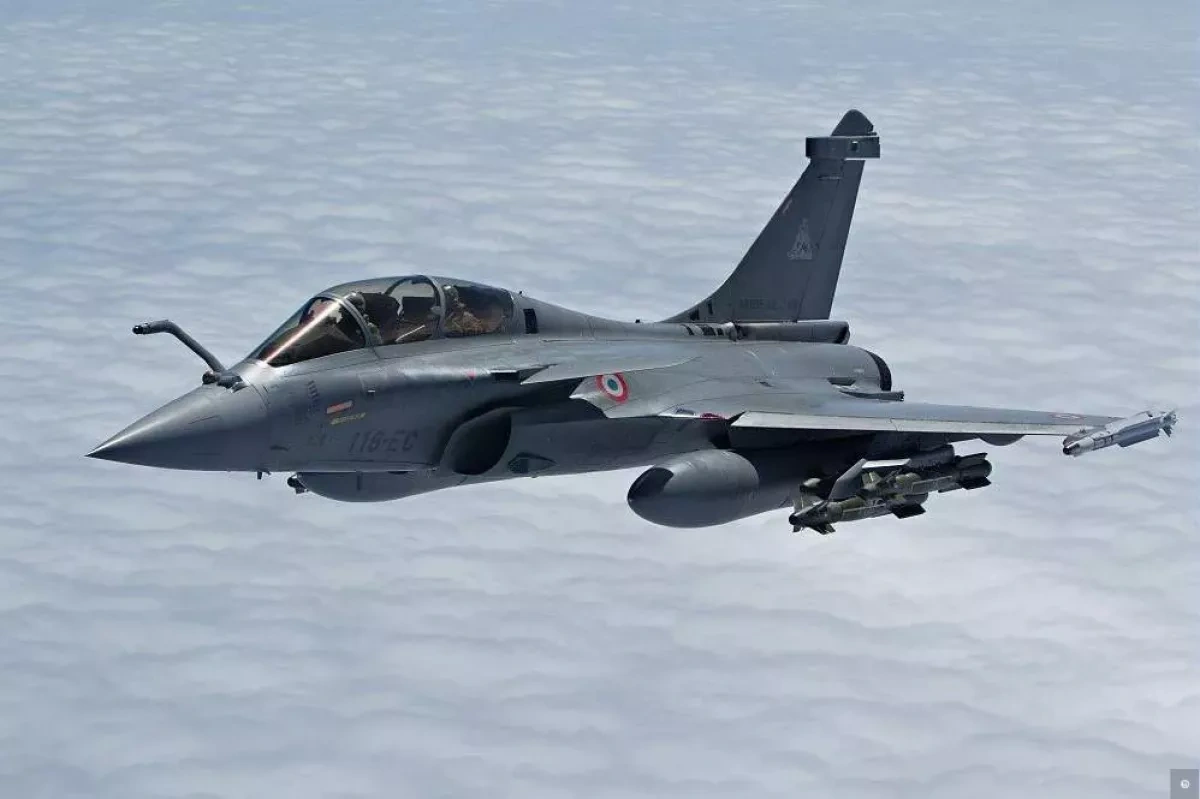
Until recently, however, there were also reports that Tashkent was interested in purchasing French Rafale fighter jets. Western media now tend to overlook the fact that Uzbekistan ultimately abandoned that option. Yet this decision fits neatly into the broader picture: Tashkent is moving away from Russian combat aircraft while also seeking to distance itself from the current confrontation between Russia and the West, opting instead for a third
This, incidentally, may have proved to be the most pragmatic choice. Russia’s defence industry is struggling to keep pace with wartime demand for aircraft and components. As for the French Rafale, questions have also been raised about its combat performance. While there are no official figures on Indian aircraft losses during the air battles with Pakistan in May last year, U.S. sources reported that Pakistani J-10s had shot down at least one Rafale without suffering any losses themselves.
China and the arms trade
Uzbekistan has become the second country outside China to operate J-10 fighter jets, after Pakistan. It is worth noting that China has been relatively cautious about exporting weapons in recent decades. Beijing has clearly sought to avoid being drawn into conflicts far from its borders that could undermine its concept of a “peaceful rise” amid the decline of the West and the confrontation between Russia and the West.
China also generally avoids openly emphasizing the military dimension of its foreign policy. Even in the case of its flagship programme for establishing itself as a global power — the construction of aircraft carriers — Beijing has largely refrained from triumphalist rhetoric.
This reluctance to publicize its military programmes is not necessarily about secrecy. After all, it is difficult to conceal something as enormous as an aircraft carrier. Rather, it reflects an effort to avoid creating negative associations and cultivating an image of China as an aggressive or militaristic power.
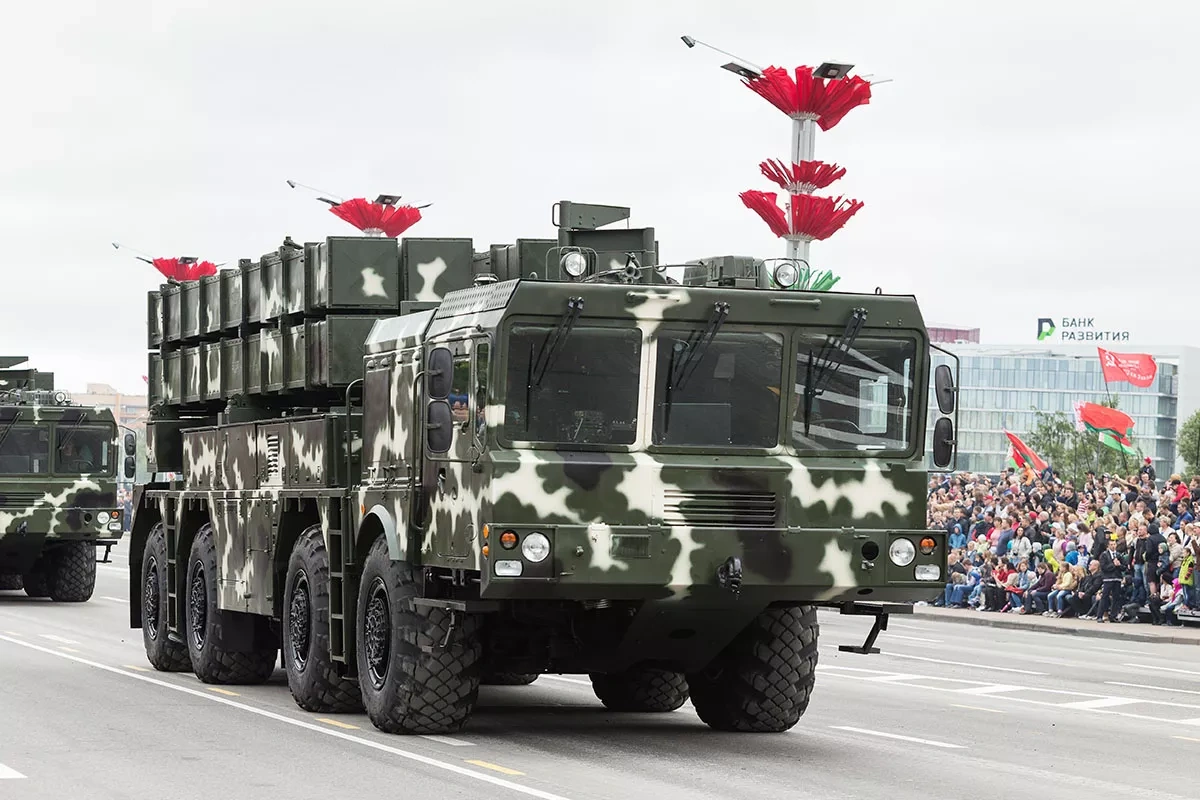
Obtaining complete weapons systems from China is notoriously difficult: Beijing is highly selective about what it exports. Belarus, for example, has been steadily deepening its strategic partnership with China for roughly three decades, yet Beijing has generally supplied Minsk not with complete military systems, such as armoured vehicles, but with technologies and components. This cooperation nevertheless enabled Belarus to develop its Polonez multiple-launch rocket system (MLRS).
Iran, meanwhile, has for years sought to purchase modern aircraft and air-defence systems from Beijing. Despite supplying China with oil on highly favourable terms, Tehran has so far failed to secure any major deliveries of the kind of systems China has supplied to Uzbekistan. Even in the 1980s, Iran sometimes had to obtain Chinese weapons through North Korea or rely on North Korean copies.
Pakistan is a different case. It has consistently received Chinese weapons, but Islamabad is a long-standing and strategically important Chinese ally along the western, more vulnerable approaches to China — particularly in the south. In this respect, Pakistan is comparable to the former Soviet republics of Central Asia, which occupy a similarly important position in China’s long-term strategic outlook, albeit along the northern section of the country’s western frontier.
Central Asia as a whole cannot currently be described as China’s most important economic region. Some 80% of China’s economy remains concentrated along its eastern seaboard and connected to maritime trade routes. Strategically, however, Central Asia is of vital importance to Beijing. As history has repeatedly demonstrated, it is the only major direction from which China has been conquered by outside powers and, more broadly, the principal landward route through which external powers have been able to exert sustained pressure on the country.
It is hardly surprising, then, that China’s current global rise also began, back in the 1980s, with the normalisation of relations with the Soviet Union, which loomed over the PRC from the north and west. After the collapse of the Soviet Union, Beijing immediately set about building good-neighbourly relations with the newly independent Central Asian republics, at a time when the West was effectively leaving the region to Russia’s supposedly friendly elites. China’s policy of “peaceful rise” began precisely with the establishment of partnerships with the Central Asian states — not in opposition to Russia, but without allowing Moscow’s interests to override those of the countries themselves. The framework through which this was achieved has since evolved into one of the principal platforms where, with China’s participation, the contours of a new world order are taking shape.
It all began in 1996, when China held its first summit with Russia and three Central Asian republics. In 2001, Uzbekistan joined them, and the Shanghai Cooperation Organisation (SCO) was established. This came a quarter of a century before, for example, the European Union began considering the creation of a multilateral framework for cooperation among the countries of the region. Today, the SCO — expanded to include Pakistan, India, Iran and Belarus as members, alongside a number of observers and dialogue partners, including Azerbaijan, which has held dialogue-partner status since 2016 — has emerged as one of the pillars of the emerging world order.
China is rising globally — and deepening its ties with Central Asia
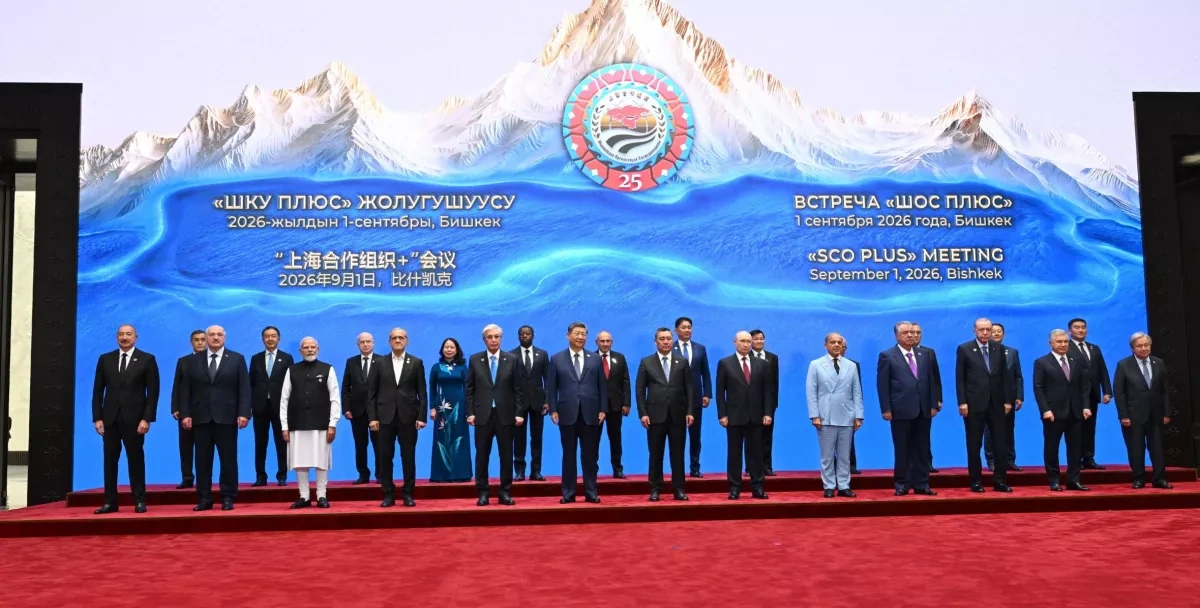
Earlier this week, Bishkek hosted the 26th SCO summit, marking the organisation’s 25th anniversary. Once again, the summit underscored the importance of Central Asia to China. The majority of summits held in the Shanghai format — 18 out of 31 — have taken place in Central Asian states.
This time, the heads of 25 SCO member and partner countries, including Azerbaijan, travelled to the Kyrgyz capital to attend the event. A new feature was the presence of UN Secretary-General António Guterres. Although the West is effectively ready to write off the organisation he heads, it continues to be an important institution for non-Western countries — in other words, for the majority of humanity. His participation therefore represents a significant boost to the SCO’s international standing.
Naturally, the SCO’s strengthening role in the world cannot be separated from the growing power of the organisation’s leading member, China. Another example came in the form of Chinese President Xi Jinping’s visit to Egypt immediately after the high-level meeting in Bishkek. With the largest army in the Arab world, Egypt has long been one of the United States’ key allies. But the changing global balance of power is prompting the Chinese leader to travel even there — and for no less than a three-day visit. It is reminiscent of Xi’s landmark 2022 visit to another country that had long been a key U.S. ally: Saudi Arabia.
Xi does not make symbolic visits; indeed, he rarely travels abroad. When he does, however, it is usually connected with significant moves on the global political stage. For example, his aforementioned visit to Saudi Arabia helped substantially ease tensions in its long-running regional confrontation with Iran.
And it is not all about visits by China’s top leadership. Whatever Western media may say about the supposedly unassailable global power of the West, economic realities are putting things in perspective and pointing to China’s growing weight in the world. Last year, Egypt’s bilateral trade with China amounted to $20 billion, compared with just $15.7 billion with the United States. China is making progress in economic cooperation even with key U.S. allies that have imposed sanctions and restrictions on Beijing.
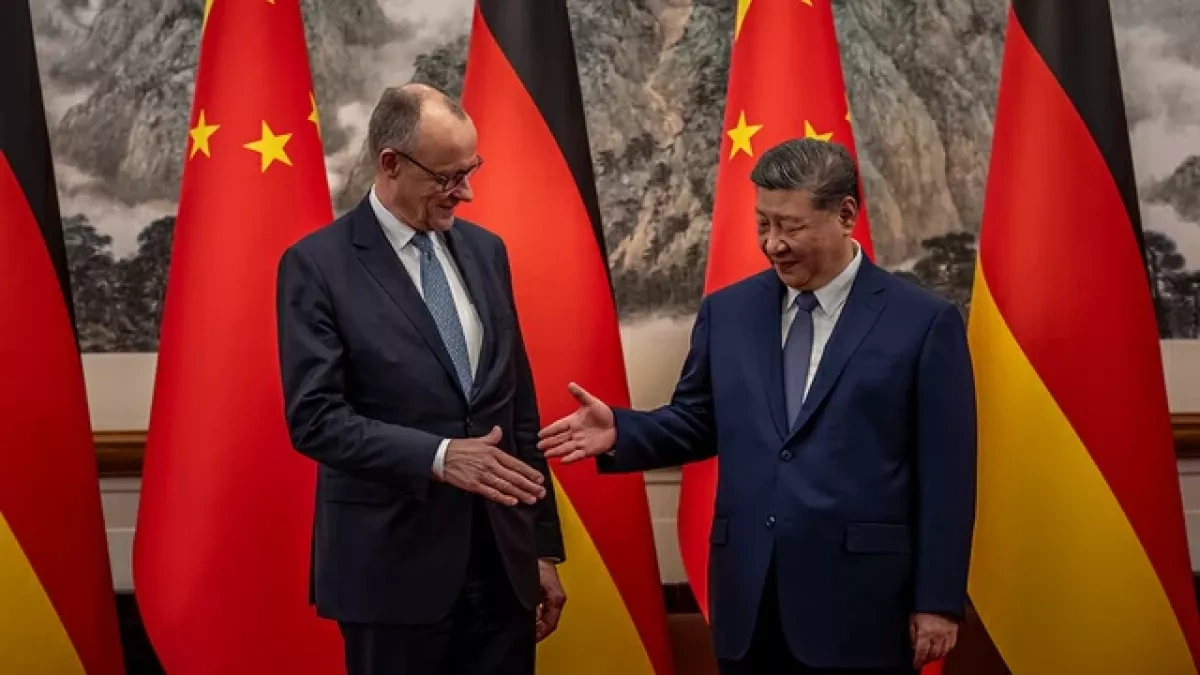
Last year, after a one-year hiatus, China once again displaced the United States to reclaim its previous position as Germany’s largest trading partner, with bilateral trade exceeding €250 billion, including €171 billion in Chinese exports.
Yet even as China forges new alliances with influential countries such as Saudi Arabia and Egypt, it is neither sidelining its established formats of engagement with the Central Asian states, such as the Shanghai Cooperation Organisation, nor shifting its focus toward building alternative platforms, despite the attractive opportunities emerging in the Middle East and elsewhere. Nor is Beijing reassessing its priorities in a way that would come at the expense of its Central Asian engagement.
As a result, new partners from other regions are joining the SCO, where the Central Asian states already occupy a prominent position — a role that neither the West nor its rivals ever saw fit to offer them. Through their long-term partnerships with Beijing, meanwhile, the Central Asian states themselves gain access to Chinese markets, capital, technology and, ultimately, Chinese weapons — the very weapons that some other countries have been trying unsuccessfully to obtain.
That is why the appearance of Chinese-made fighter jets in the skies over Tashkent is far more than an ordinary news item of interest only to military-technology enthusiasts. It is a reflection of the new international reality taking shape in Central Asia.