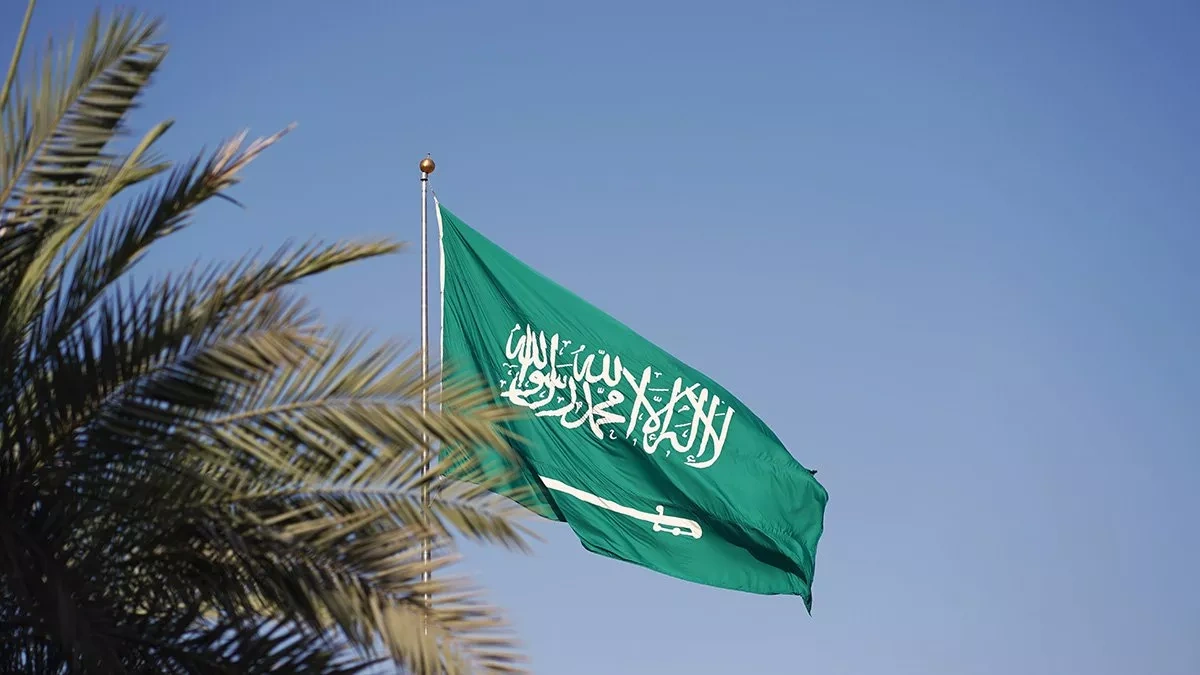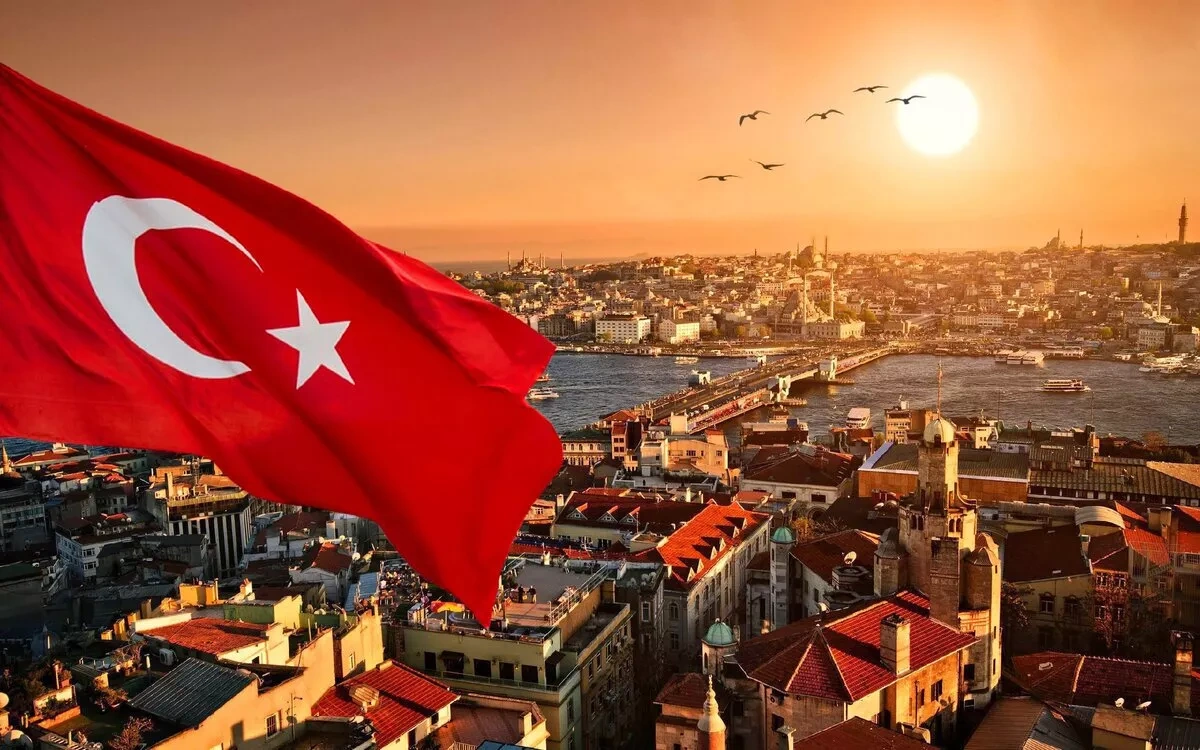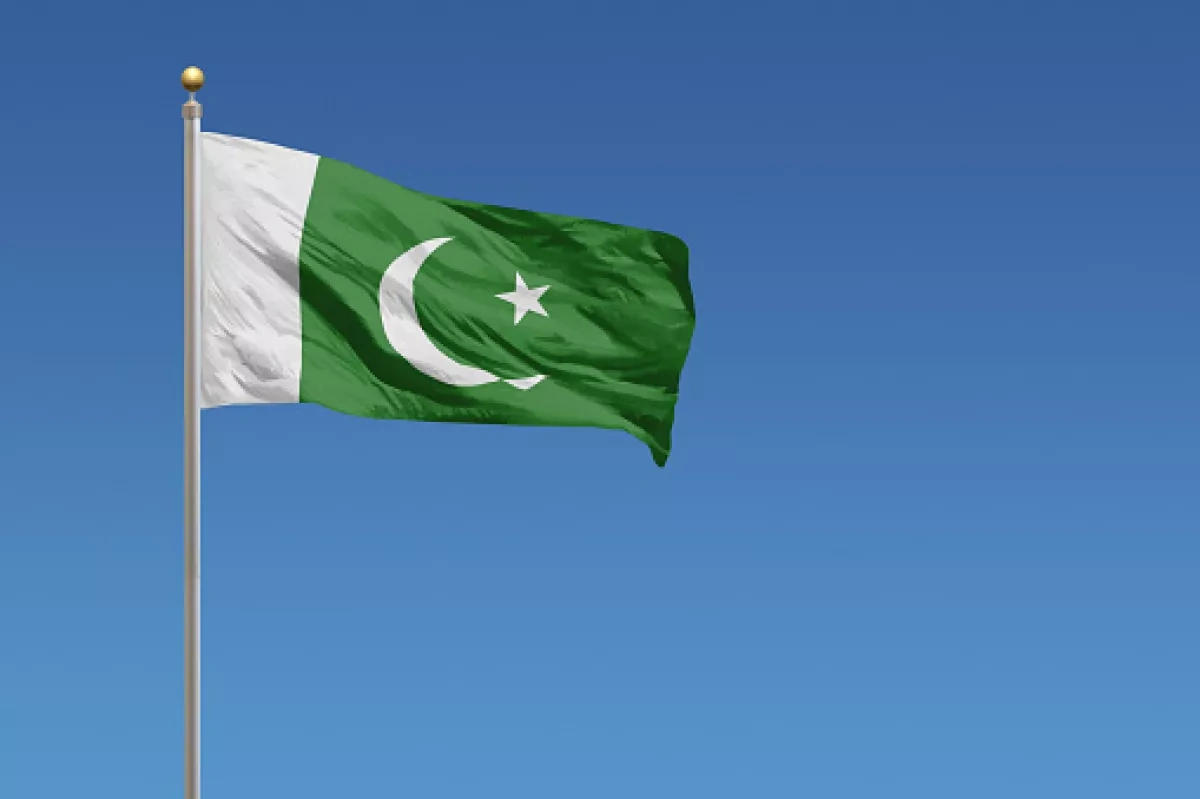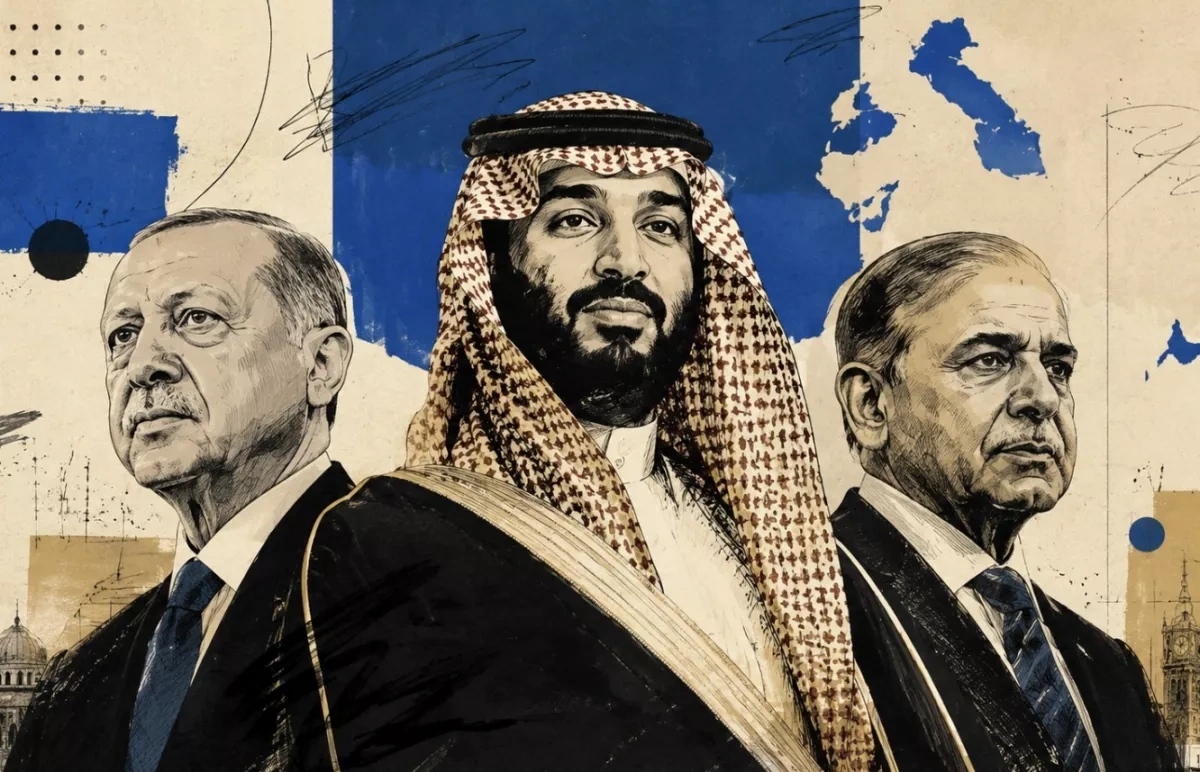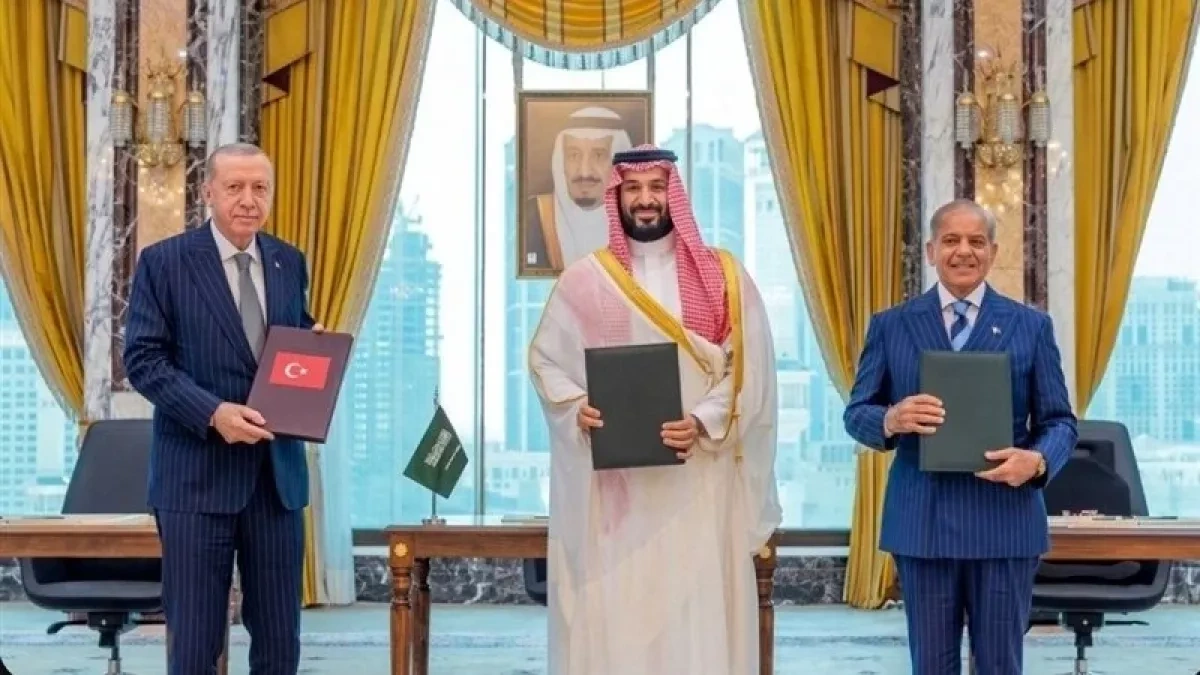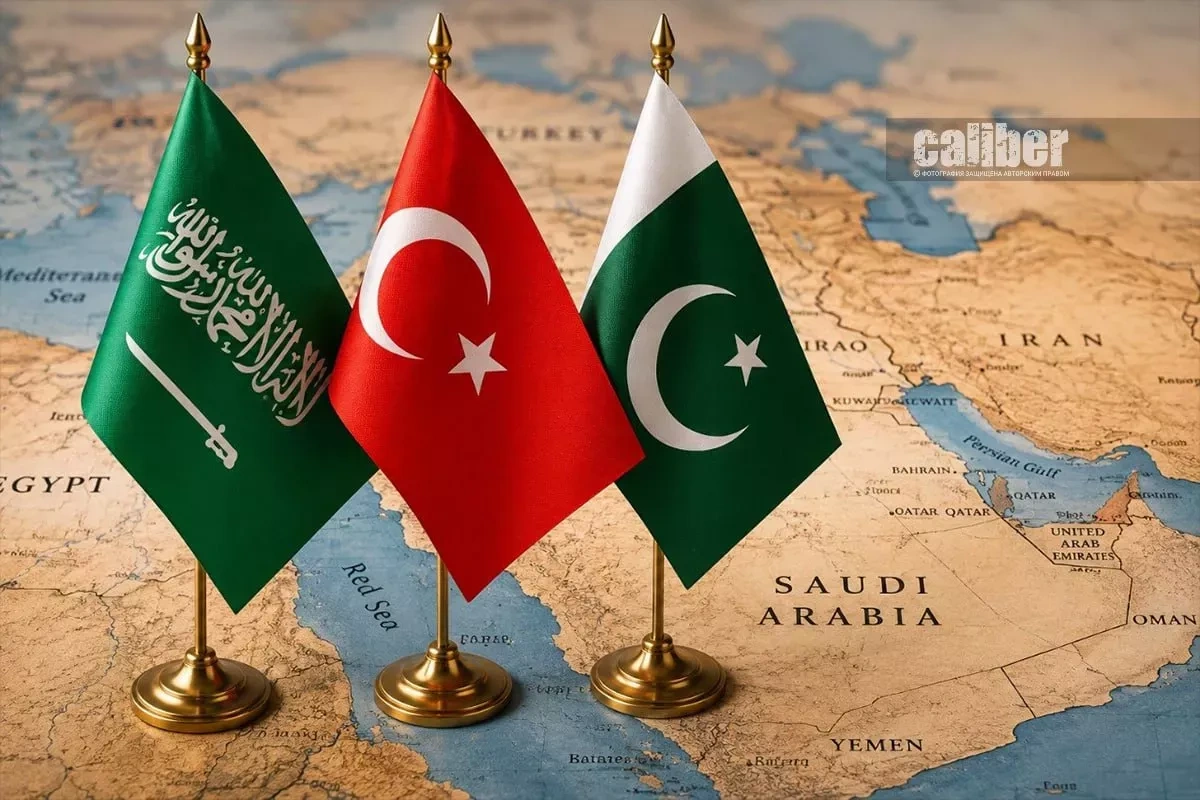
The Mecca Pact is a defense alliance between three Sunni powers: Saudi Arabia, Pakistan, and Türkiye. Potentially, it could become one of the new centers of political influence, military power, and economic strength. The agreement provides for the possibility of armed assistance to any of the three countries by the other two in the event of external aggression. A similar agreement previously existed between Saudi Arabia and Pakistan.
First and foremost, the pact is intended to fill the vacuum that has emerged in the Middle East amid the declining ability of the United States to protect its partners in the region. Washington has so far been unable to effectively contain Iran, including against the backdrop of its attacks and threats targeting strategic maritime routes. In addition, the United States lacks sufficient missile-defense capabilities to reliably protect all the countries of the Persian Gulf.
Since the early 1980s, Washington has played a key role in providing security for the Arab monarchies of the Persian Gulf. The United States countered the expansion of Iranian influence during the Iran-Iraq War of 1980–1988, defeated Iraq after its invasion of Kuwait in 1991, and then defeated and occupied the country again in 2003.
Under this American “umbrella,” the Sunni monarchies could relatively safely increase revenues from oil exports, invest in developing post-oil economies, and place substantial funds in the United States. However, the situation changed after the withdrawal of the bulk of U.S. forces from Iraq. The country became heavily dependent on Iran, while Tehran’s growing influence amid the reduction of the American presence prompted the Gulf states to question the reliability of their previous security guarantees.
Under these circumstances, Saudi Arabia is betting on strengthening ties with Ankara and Islamabad, while the UAE has chosen a different approach.
The participants in the Mecca Pact are also concerned about the hard-line foreign policy of Israel, the United States’ closest ally in the region. The new framework for cooperation could potentially provide them with additional tools to defend their own interests and prevent unwanted escalation. At the same time, reducing its military presence in the Middle East also makes strategic sense for Washington: the United States seeks to devote more resources to the Indo-Pacific region and its rivalry with China, which has emerged as an independent center of economic and military power.
The Mecca Pact can be viewed as an attempt to adapt to the changing balance of power in the Middle East. When the influence of one major power wanes, other players seek to occupy the space it leaves behind. This is precisely the process that is becoming increasingly visible across the region.
A garden of forking
Despite a certain degree of unity stemming from their shared challenges, the Mecca Pact is a complex and heterogeneous political formation, as the interests of its members differ significantly.
Saudi Arabia is pursuing a massive program to modernize its infrastructure and industry, which requires trillions of dollars in international investment and access to new technologies. Its main problem is Iran, which is shelling Saudi territory and threatening strategic waterways. This not only puts Saudi Arabia in a vulnerable position and deprives it of part of its oil revenues, but also threatens its modernization program. How can it build data centers, new aluminum plants, and nuclear power plants if an Iranian missile or a hundred drones could arrive tomorrow and destroy everything? Who will invest in a country facing threats of this kind?
For Saudi Arabia, as for the UAE, preparing for a post-oil future is of fundamental importance. The Saudi state supports large-scale social programs for its citizens. Without high oil revenues, these programs would be difficult to sustain, potentially paving the way for a new Arab Spring. That is why there is no more important task for Riyadh than building an efficient, modern economy. But the existence of an Iran like the one we see today, to put it mildly, calls all of this into question.
Saudi Arabia therefore needs a reliable “umbrella,” and the American one is clearly not enough. With Iran’s allies, the Houthis, keeping the Red Sea under fire, attacking Saudi tankers, and striking Saudi oil infrastructure, this is by no means an academic concern.
Türkiye competes with Iran on many fronts. Ankara has a number of issues with Tehran. One can point to their armed confrontation in Syria, their rivalry in Iraq, where Türkiye is expanding its military presence and pursuing its interests while Iran seeks to obstruct this through its allies, including by attacking Turkish bases, as well as their competition in the South Caucasus.
However, Türkiye is now concerned about Iran becoming weaker, as Iran serves as a counterweight to Israel. If the regime in Tehran is overthrown, it would strengthen Israel, which is actively shaping the Middle East through military power, backed by its considerable air force capabilities and periodic strikes on Iran, Lebanon, and Syria.
If a pro-Israeli regime led by Reza Pahlavi, the son of the former shah, were to come to power in Iran, Ankara would view it negatively. Israel recently bombed a Syrian military base 70 kilometers from the Turkish border after a Turkish delegation had visited it, and subsequently stated that it would not allow Turkish forces to be present in Syria.
If Iran is Saudi Arabia’s main concern, Türkiye sees the strengthening of Israel as its key foreign-policy challenge.
The refugee issue, however, is no less important. If the regime in Tehran were overthrown, the country could descend into chaos, potentially triggering an influx of millions of refugees into Türkiye. Türkiye already faces a serious issue stemming from the presence of 3.5 million refugees from Syria, whose presence has become a source of heated political debate and social tensions.
Pakistan is interested in strengthening its military, economy, and defense industry against the backdrop of its perennial confrontation with India. It is less concerned about the situation in and around Iran than it is about the prospect of renewed clashes with the Indian giant, which is gradually becoming the world’s industrial powerhouse.
The recent military clash with India, during which Pakistani forces managed to shoot down several Indian aircraft, should not mislead anyone. India is larger, its resources are substantial, its industrial modernization appears relatively successful, and its GDP is growing by 6–7 per cent a year. Islamabad is well aware of this.
That is why, in its strategic rivalry with India, Pakistan needs Saudi capital and Turkish defense technologies. The question is what it can offer in return. Is it prepared to defend Saudi Arabia against Iranian and Houthi missile strikes? In other words, to put it bluntly, is Pakistan capable of carrying out retaliatory strikes against Iran, including ground operations?
Confrontation of blocs
The Mecca Pact is not only an attempt to fill the strategic vacuum created by the weakening of American security guarantees for allies in the Persian Gulf, but also an alternative to other emerging blocs. These include the alliance between India, the UAE, and Israel, which has been joined by Greece and Cyprus, as well as the Iranian bloc — Iran and its “Axis of Resistance”: the Yemeni Houthis, Shiite militias and political parties controlling Iraq, and Hezbollah, which has established a quasi-state within Lebanon.
The UAE has opted for an alternative strategy. It has established diplomatic relations with Israel and developed close ties with India, which, in turn, has been drawing increasingly closer to Tel Aviv. This alliance has considerable potential, in some ways resembling the Mecca Pact: India’s enormous manpower and low-cost labor force (which Pakistan also possesses), Israel’s cutting-edge defense technologies (alongside Türkiye’s growing defense industry and expanding arms exports), and Emirati capital. The latter are not only oil exporters, like the Saudis, but have also transformed their country into a major global banking and financial hub.
Taken together, these assets could create a powerful synergy, providing exceptional conditions for the economic and military development of the countries involved and strengthening their strategic positions.
The significance of the Mecca Pact, like that of the strengthening alliance between the UAE, India, Israel, Greece, and Cyprus, extends beyond the Middle East. These new and unprecedented defense alliances could influence the future of the Indo-Pacific region and Europe. But how effective will these blocs prove to be?
Ultimately, everything comes down to the contradictions between the countries involved and the divergent interests within each bloc. Do they have the capability and the willingness to defend one another? Would Saudi Arabia be prepared to take the field in an India-Pakistan conflict? Would Pakistan threaten Iran with a ground operation if Iranian attacks on its ally, Saudi Arabia, were to resume?
The same questions can be asked of the countries belonging to the rival bloc. For example, would Israel become directly involved in a military confrontation between India and Pakistan? At present, this seems highly unlikely.
So far, the answers to these questions appear to be negative. Although Pakistan has stationed dozens of fighter jets and around 8,000 troops in Saudi Arabia, it has done nothing to protect the country from Iranian missile and drone attacks or strikes by the Iran-aligned Houthis.
The Mecca Pact contains a provision reminiscent of Article 5 of the NATO treaty: in the event of an attack on one of the countries, the others will enter into consultations with a view to providing armed assistance. But until we see how the allies act in practice — for example, whether they can use force to compel the Houthis and other Iranian allies to halt attacks on Saudi Arabia — all of this remains largely theoretical.