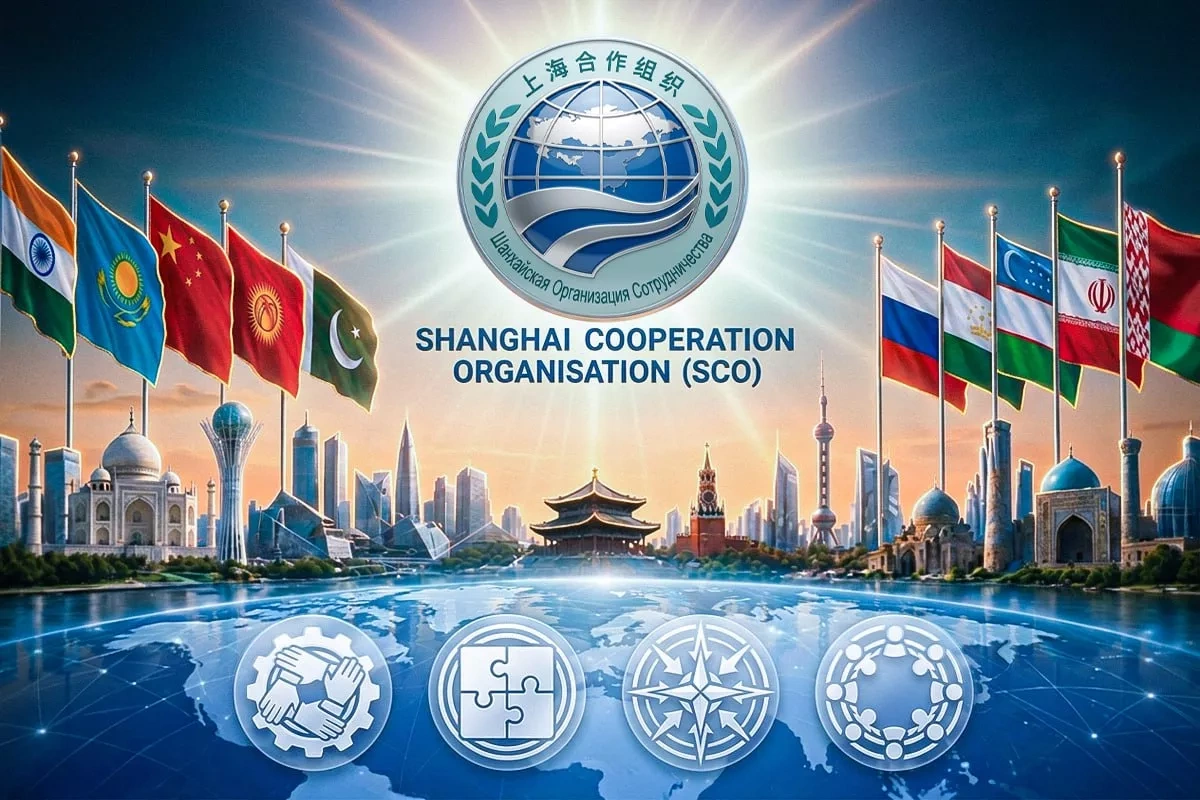
At the 25th anniversary SCO summit in Bishkek, Belarusian President Alexander Lukashenko proposed a package of measures to modernize the organization, ranging from the creation of a Development Bank and a transition to national currencies to the launch of a unified scientific platform and a China–SCO AI center. The Belarusian leader called for moving from declarations to concrete economic steps and reforming the UN, while a key event on the sidelines was his informal meeting with Vladimir Putin and Recep Tayyip Erdogan.
The anniversary in Bishkek
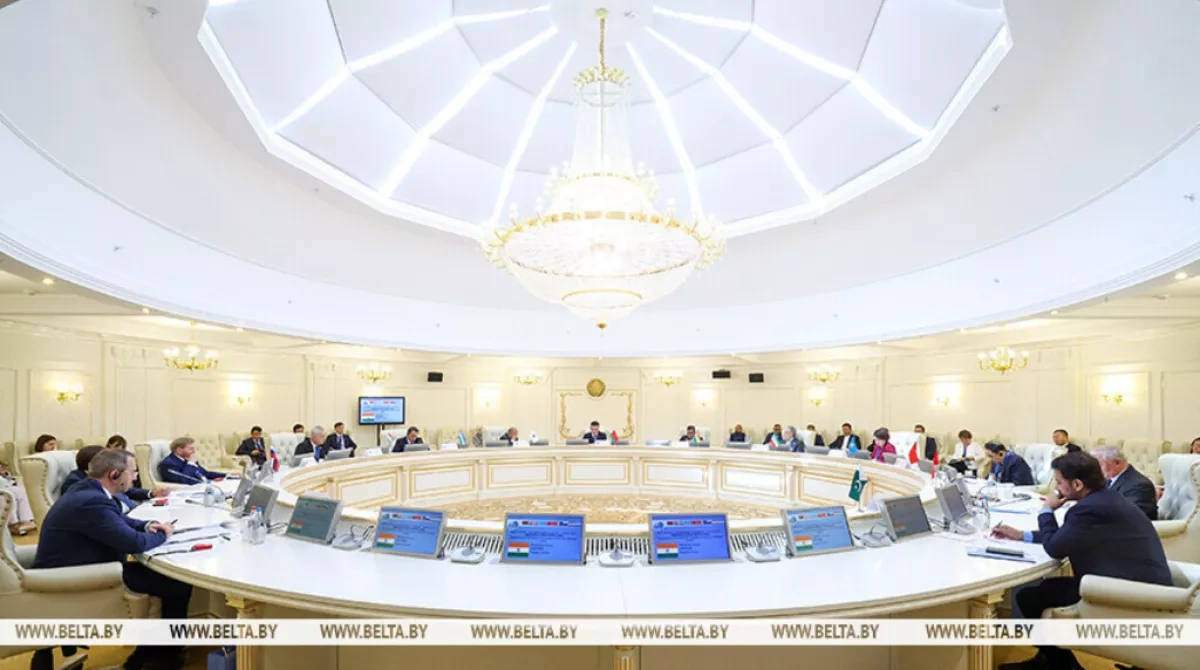
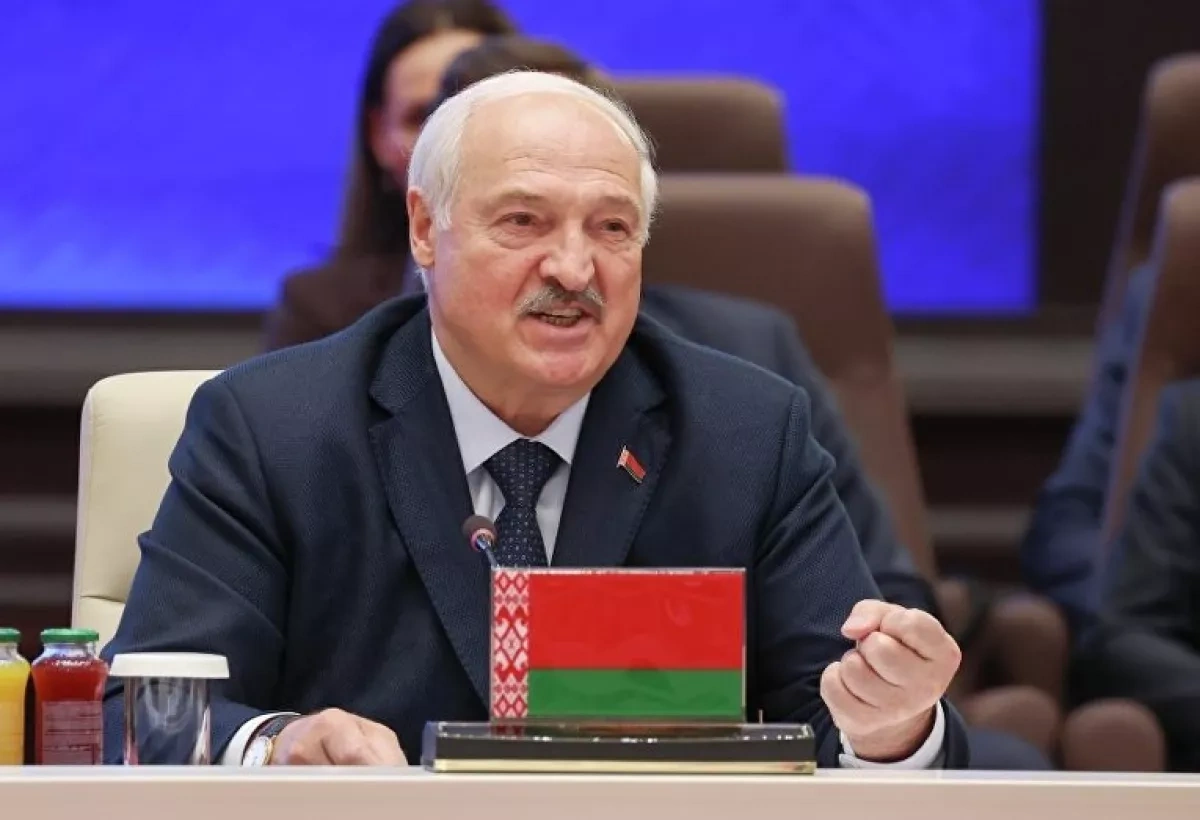
On August 31–September 1, a meeting of the heads of state of the Shanghai Cooperation Organization (SCO) member states was held in the Kyrgyz capital to mark the organization’s 25th anniversary. Among those who arrived was Belarusian President Alexander Lukashenko.
Belarus is the only full-fledged SCO member state whose territory lies entirely in Europe. This reflects both the country’s logistical importance as the western gateway to the “Great Silk Road” and the status of its leader.
On August 31, Alexander Lukashenko met with a number of state leaders on the sidelines of the summit and also greeted and held talks with Turkish President Recep Tayyip Erdogan. Türkiye has the status of an SCO dialogue partner.
The Shanghai family against the “three evil forces”
Speaking at the meeting of the Council of Heads of State of the SCO member states, Alexander Lukashenko drew attention to the rapid escalation of global conflicts. In the Belarusian leader’s view, this makes it particularly important to strengthen the SCO as a Eurasian center of the emerging multipolar world order and to ensure the organization’s unity.
The President of Belarus outlined three main areas for shaping a new security architecture in Eurasia. The first is security.
After all, hostile and aggressive globalist circles continue their attempts to restrict the sovereignty of countries that remain independent of them.
“The challenges in this area are growing,” Lukashenko said in his speech. “Information, diplomatic, financial and economic, and other forms of sanctions pressure are realities of today. The arsenal of the powerful no longer consists solely of ‘colour revolution’ technologies and hybrid methods of influence. Direct, large-scale military aggression has now made a demonstrative return.”
In the Belarusian leader’s view, this must be countered with a set of reciprocal measures, including the creation of a joint space of trust.
In October 2026, Belarus will host a counterterrorism forum in a new format, featuring joint exercises involving SCO and CIS member states. Belarus also supports the earliest possible establishment of the SCO Center for Countering Challenges and Threats and the organization’s Anti-Drug Center.
The Belarusian president clearly identified the “three forces of evil” as terrorism, separatism and extremism. Protection against natural and man-made disasters is no less important, particularly as their number continues to grow. Belarus has repeatedly dispatched its emergency response units and humanitarian aid to affected countries, including SCO member states. In 2027, Minsk will host the World Fire and Rescue Sports Championship. The Belarusian leader proposed holding a meeting of the heads of SCO countries’ agencies responsible for preventing and responding to emergencies alongside the championship, with the aim of sharing experience and establishing joint work in this area.
From quantity to quality
The Belarusian leader named the economy as the second, but no less important, area of focus. The President of Belarus supported the creation of an SCO Development Bank and an increase in the share of national currencies in mutual settlements. This would help counter unilateral sanctions and other illegal measures aimed at undermining the sovereignty of states that are not aligned with the globalists.
Alexander Lukashenko also noted that everyone is waiting for the organization to move from a growing number of meetings to tangible results and for large-scale economic initiatives to be launched. Another priority is the creation of a unified, open and sovereign digital space within the SCO.
On the third, humanitarian track, Lukashenko put forward a new initiative. Belarus proposed establishing a scientific fund to promote integration within the Shanghai Cooperation Organization. Such a structure would enable mutually beneficial cooperation across a wide range of areas, including climate, environmental protection, smart agriculture, biotechnology, healthcare and pharmaceuticals.
This year, Minsk already hosted a meeting of education ministers from SCO countries, where the “Minsk Initiative” project to establish a consortium of universities and high-tech corporations within the organization was approved. According to the Belarusian leader, particular attention should be paid to the development of artificial intelligence. Lukashenko proposed launching a large-scale program for exchanging expertise and establishing a specialized China–SCO AI Development Center in Belarus.
The “Shanghai family” should be both an open and cohesive organization. In Alexander Lukashenko’s view, the SCO should expand cooperation with other associations, including the Eurasian Economic Union (EAEU), Commonwealth of Independent States (CIS), Collective Security Treaty Organization (CSTO), Association of Southeast Asian Nations (ASEAN), African Union and BRICS.
“While remaining committed to the idea of ‘integration of integrations,’” Lukashenko said, “we believe that linking different formats of cooperation will help enhance the role of the Shanghai Cooperation Organization as a global player.”
SCO and the UN
Lukashenko thanked Kyrgyzstan, which currently holds the SCO chairmanship, for organizing the summit and for its hospitality. He also congratulated Kyrgyzstan on its recent election as a non-permanent member of the UN Security Council for 2027–2028. He noted that the role of the United Nations in the world remains significant and unique, but political disagreements are blocking many important decisions.
For example, the UN has been unable to do anything to achieve a peaceful settlement of the crisis surrounding Iran, an SCO member. At the same time, four SCO member states are currently represented on the UN Security Council: two permanent members and two non-permanent members. In Lukashenko’s view, the SCO could help transform the UN into an effective and functioning organization, including by strengthening its role in addressing stalled issues which, he said, have been blocked by the West, as well as in matters of peace and security and countering unilateral sanctions.
But with his characteristic bluntness, Lukashenko also drew attention to the negative aspects. He noted that the “Shanghai spirit” alone is not enough:
“People expect concrete action from us toward multipolarity. Time is running out. If we lose time, we may turn into the same United Nations in the form in which it exists today. In the future, we could become a catalyst for revitalizing the UN, restoring its status as a platform for resolving the most complex global problems, rather than an instrument in the hands of the West for exerting pressure on and coercing sovereign and independent states. For some reason, we are also afraid to talk about this.”
Meeting of the leaders of the multipolar world
During the summit, Alexander Lukashenko held meetings and talks with Iranian President Masoud Pezeshkian, Lao President Thongloun Sisoulith, Kazakh President Kassym-Jomart Tokayev and Tajik President Emomali Rahmon.
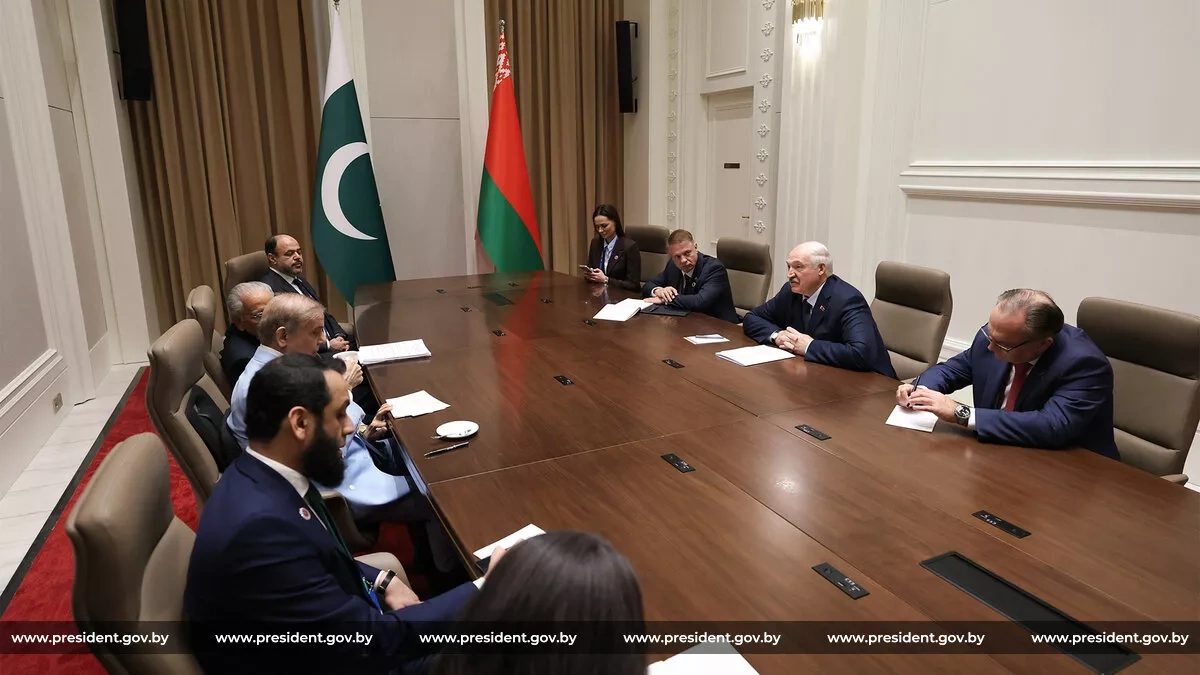
A separate meeting was held with Pakistani Prime Minister Shehbaz Sharif. The President of Belarus noted that political relations between the two countries were developing well and that he and Shehbaz Sharif were friends. At the same time, certain challenges remained in the economic sphere, and economic cooperation with Islamabad therefore needed to be intensified.
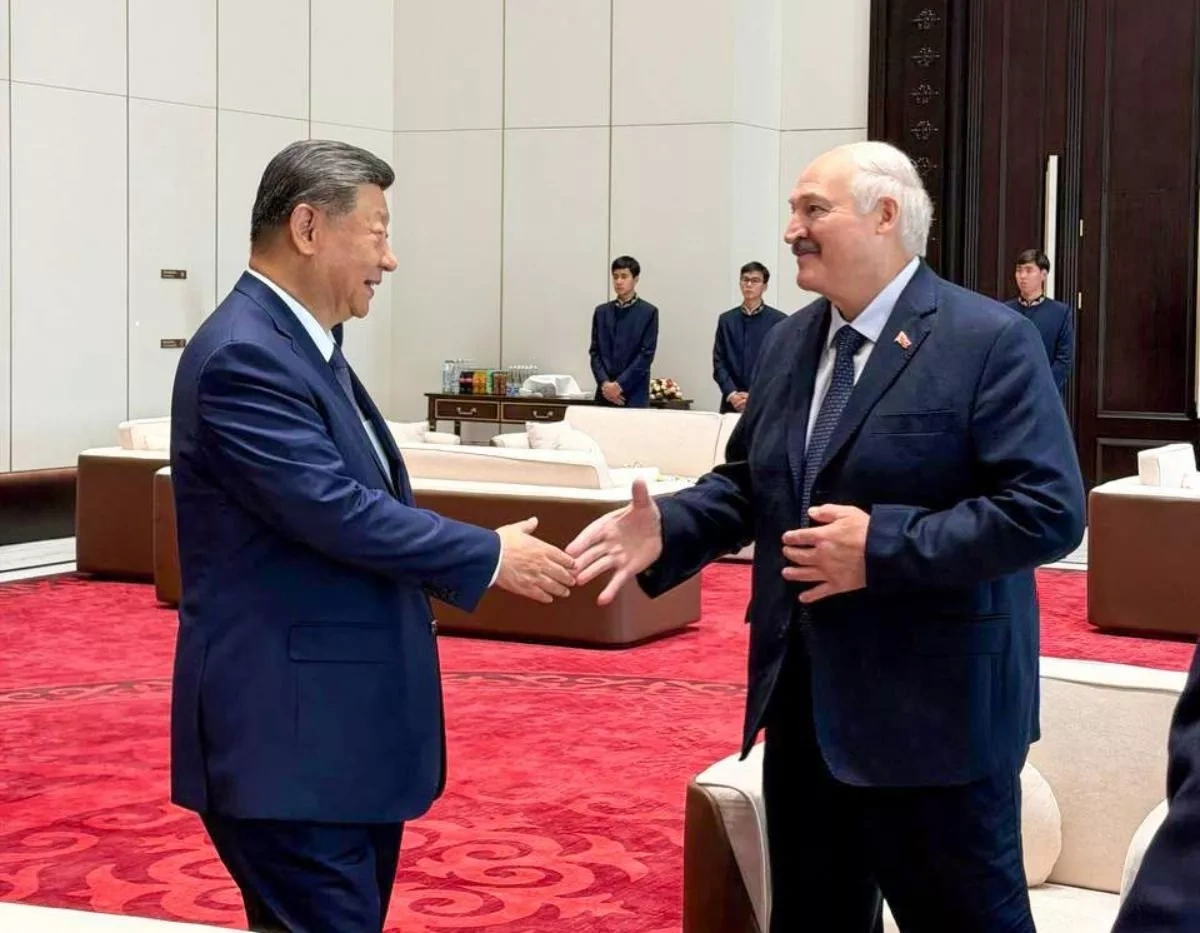
On the sidelines of the summit, Alexander Lukashenko also spoke with Chinese President Xi Jinping. In comments to Kyrgyzstan’s Nomal-TV, he spoke positively about the Chinese leader’s address, in which Xi highlighted the SCO’s special role in the world and Eurasia. The Belarusian president called on SCO countries to respond collectively to the imposition of unjustified sanctions and tariffs, as well as to military aggression against the organization’s members.
So far, such unity does not exist. However, according to Belarusian political analyst Alexei Dermant, the West understands that its strategy has reached a dead end. After World War II, colonialism and racist approaches became untenable, forcing hegemony to be repackaged in liberal camouflage. Now, however, this “politically correct” form of neocolonialism is also collapsing. And perhaps we really are on the threshold of a new world?
An unexpected format
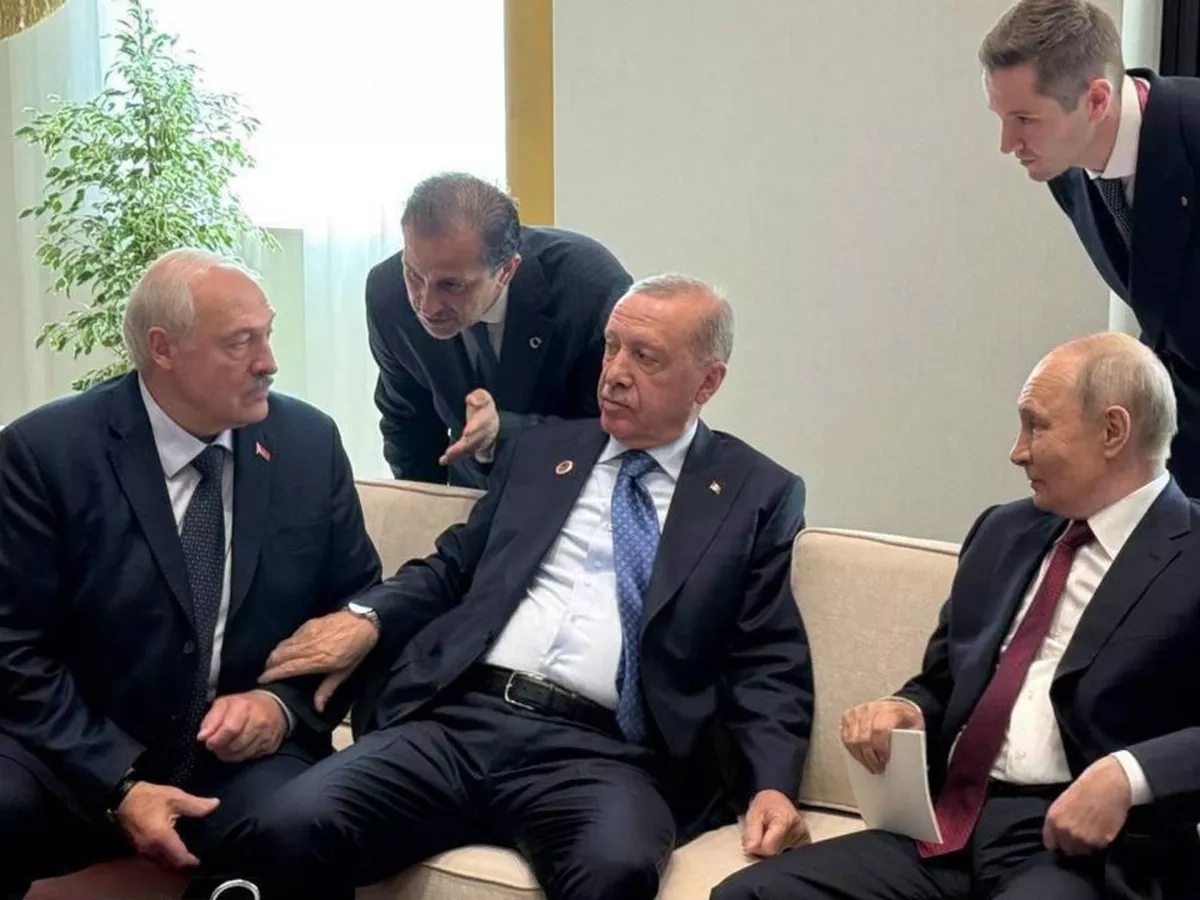
Considerable intrigue was generated by a photograph showing Alexander Lukashenko, Recep Tayyip Erdogan and Vladimir Putin engaged in an informal conversation. In one frame, Putin can be seen actively telling Erdogan something, while Lukashenko listens attentively. In another, Lukashenko and Erdogan are seen talking. The meeting in this format came as a complete surprise to many observers and sparked extensive discussion. Numerous experts wondered what the presidents of the two major Eurasian powers could have been discussing with the Belarusian leader.
According to official information, the presidents of Belarus, Türkiye and Russia discussed the latest developments in the region, Türkiye’s process of joining the SCO, negotiations on a ceasefire in Ukraine, and strategic issues concerning peace. It can also be assumed that the Turkish president raised the issue of maritime security in the Black Sea and the possibility of reaching a new version of the 2022 “grain deal.” It is also quite possible that Türkiye’s potential role as a venue for new Russian-Ukrainian negotiations was discussed. Turkish media described the meeting as “friendly and sincere.”
Later, Recep Tayyip Erdogan held a separate meeting with Vladimir Putin, during which the two discussed bilateral economic cooperation, including the construction of the Akkuyu Nuclear Power Plant. The Turkish leader also met with Azerbaijani President Ilham Aliyev on the sidelines of the summit.
A total of 28 documents were signed at the Bishkek summit, covering cooperation in combating terrorism and drug trafficking, as well as the development of AI and energy. The Bishkek Declaration and a protocol amending the SCO Charter were adopted. In addition, it was decided to designate the Pakistani city of Lahore as the SCO’s cultural and tourism capital for 2026–2027.
The Bishkek summit marked another important step toward shaping an alternative world order in which — as peoples around the world would hope — there will be fewer wars and greater justice.