A US murder trial that captivated millions of viewers around the world as the court proceedings were being broadcast live via YouTube has come to a dramatic end with a mistrial. The case, which focused on the mental health state of a mother who admitted to killing her three children, became the latest stage on which deeply polarised public opinion played out, with supporters of a guilty verdict and those who believed she should be found not criminally responsible clashing for weeks, both online and offline.
A Massachusetts judge declared a mistrial on September 4 in the murder case against Lindsay Clancy after jurors said, for the third time, that they were unable to reach a unanimous verdict following more than 36 hours of jury deliberations.
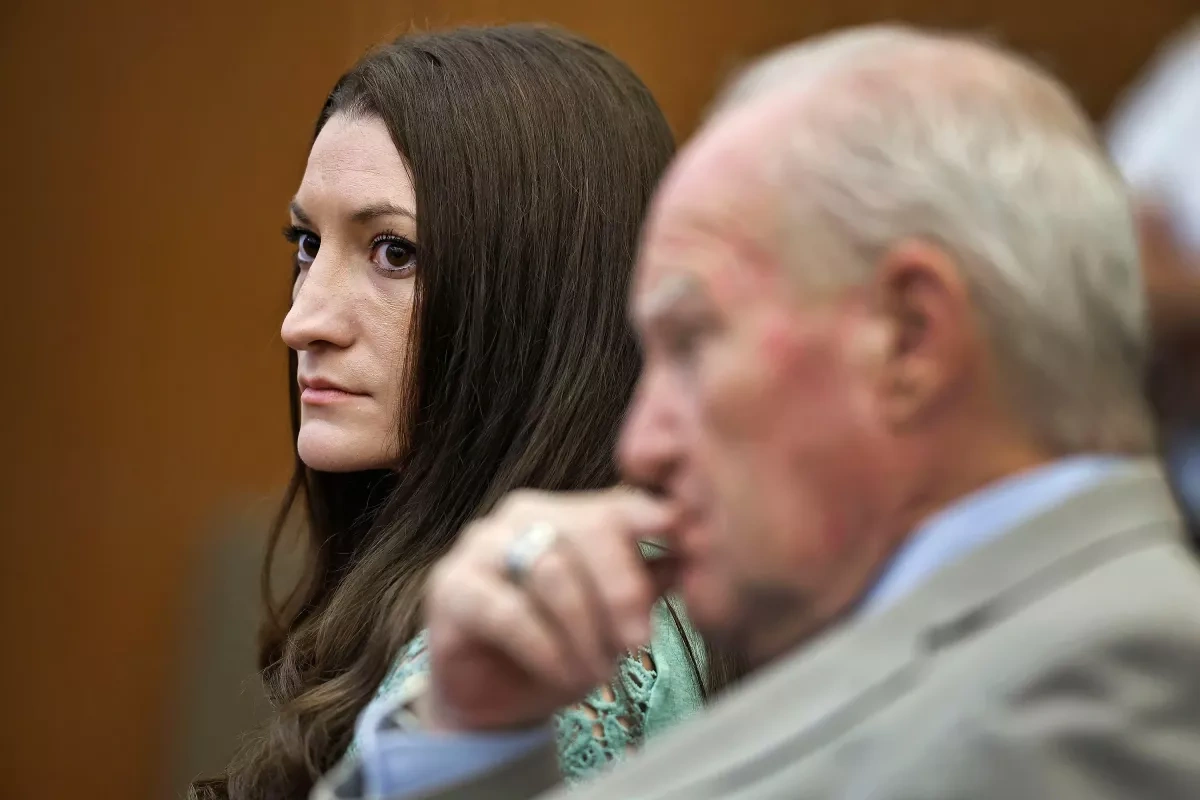
After the judge declared the mistrial, Kevin Reddington, the defence attorney for the accused mother made a dramatic last-ditch attempt to halt the proceedings by filing an emergency appeal with the Massachusetts Supreme Judicial Court.
In the filing, Reddington asked the state’s highest court to order the judge to force the jury to continue deliberating and to question the panel about an alleged holdout juror who had contributed to the deadlock.
The motion came after jurors informed the judge that one member had reportedly "refused" to follow the legal instructions regarding the application of reasonable doubt when voting on a guilty verdict. The state’s high court ultimately denied the request the same day, paving the way for the mistrial.
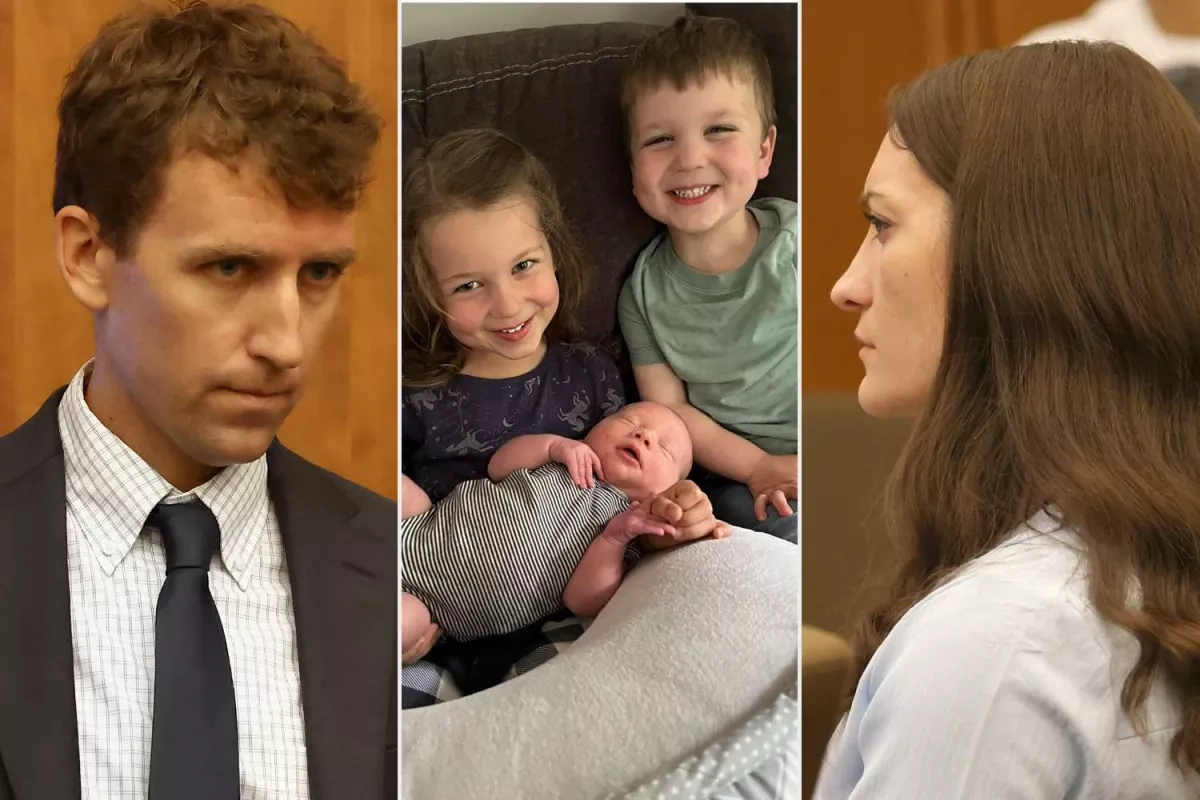
The defendant, a former labour and delivery nurse who was 32 years old at the time of the killings, does not deny killing her children in 2023 but pleaded not guilty to three first-degree murder charges. Her lawyers argued that she was suffering from postpartum psychosis and therefore should not be held criminally responsible. In January 2023, Clancy strangled her three children, Cora, 5, Dawson, 3, and her eight-month-old baby Callan, using stretchy bands designed for fitness exercises while her then-husband was out of the house for less than an hour.
Patrick Clancy, the children’s father, as well as his parents, all expressed their support for Lindsay in the aftermath of the killings and backed the defence attorney’s argument that she committed the acts while experiencing a psychotic episode, sparked by hormonal levels distorted following the birth of her latest child in combination with the effects of medications she was on at the time.
Prosecutors have attempted to dismantle this theory, including by questioning the defendant’s claim that she experienced a command hallucination ordering her to kill her children. They pointed out that she had never experienced such an episode either before or after the incident.
One of the state’s key expert witnesses, Psychologist Dr.Kirk Heilbrun put forward a theory that Clancy did not suffer from a psychotic break, but that her severe depression drove her to commit suicide, and that she ended the lives of her children in an example of “altrustic filicide”. According to the prosecuting attorneys, such a scenario would not relieve the defendant of criminal liability.
Clancy received treatment from multiple healthcare providers, including psychiatrists, and spent several periods at mental health clinics. She was prescribed 13 different medications over several months. Her defence attorney argued that the combination of drugs, ranging from antidepressants to antipsychotic medication, caused severe side effects that led her to spiral out of control and enter a psychotic state.
How America's "saddest murder case" inflamed public opinions
Some people have interpreted Clancy’s trial, dubbed by some legal experts as the country's "saddest murder case", as a referendum on women’s postpartum mental health, as arguments were heard in court that the mother did not receive adequate treatment from her healthcare providers because they failed to take her complaints seriously enough, including her belief that her depression had been worsened by the medications.
For over six weeks, the case gripped viewers' attention and sparked fierce debate over postpartum psychosis. Many followed livestreams of the trial as family members and experts testified in court. Each day, more than 200 members of the media crowded into the courthouse, while groups of supporters of varying sizes often gathered outside.
The widespread attention even prompted comments from US President Donald Trump, who called the case a "horrible tragedy."
"She did a horrible, horrible thing. Can't be worse," he said. "I assume there's going to be another trial."
Trump added: "But you'll find out what the price to pay is. There'll be a price."
By Nazrin Sadigova