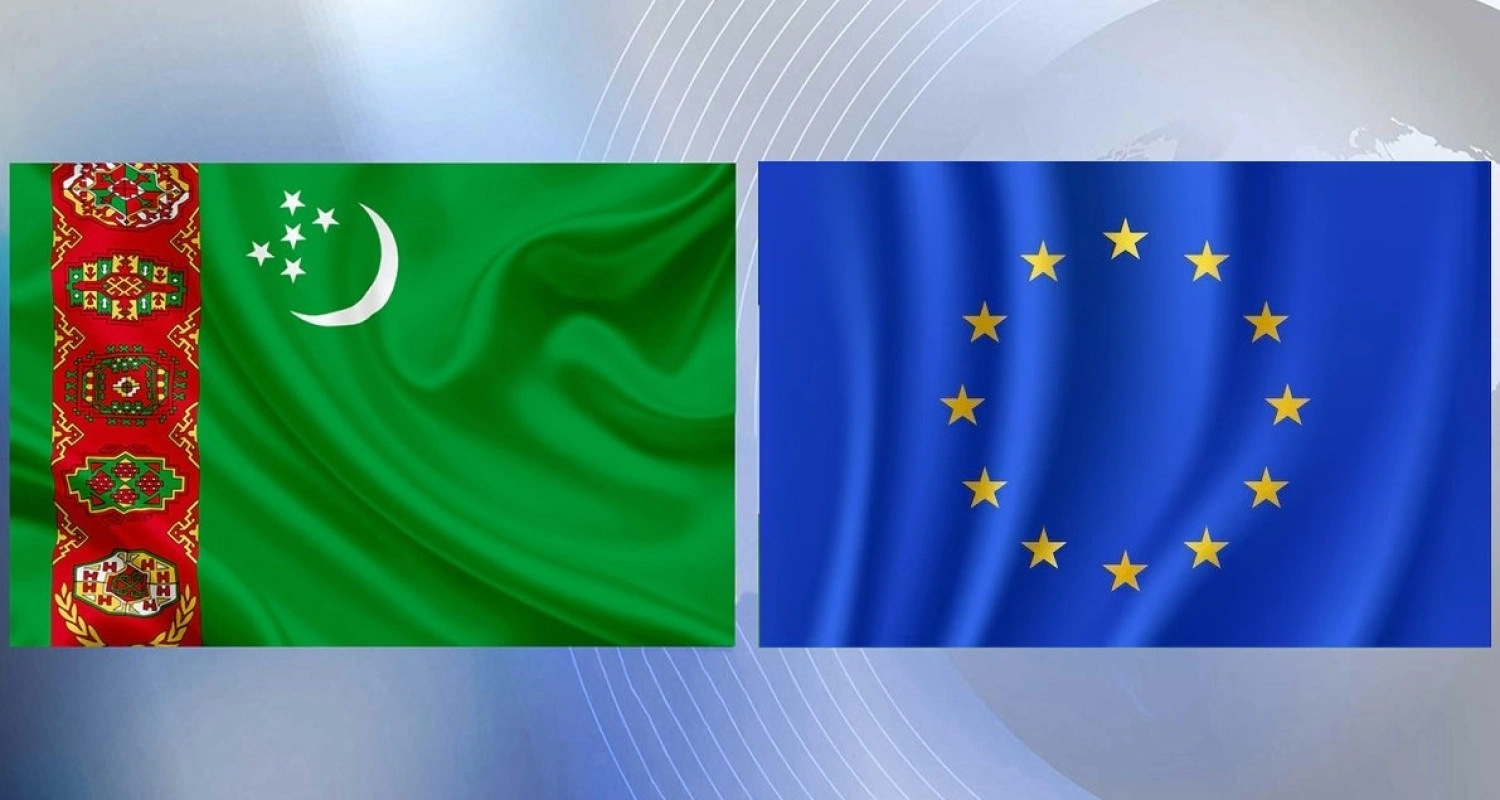
BAKU, Azerbaijan, September 4. Turkmenistan and
the European Investment Bank (EIB) held online talks on a framework
agreement.
This was announced by EU Mission in Turkmenistan in a post on X
following the discussions that brought together representatives of
Turkmenistan’s national institutions, the EIB and the EU Delegation
to Turkmenistan.
The sides reviewed the framework agreement as part of continued
dialogue and cooperation between Turkmenistan, the EIB and the
European Union.
The agreement is particularly significant as its signing is a
prerequisite for the EIB to launch operational engagement in
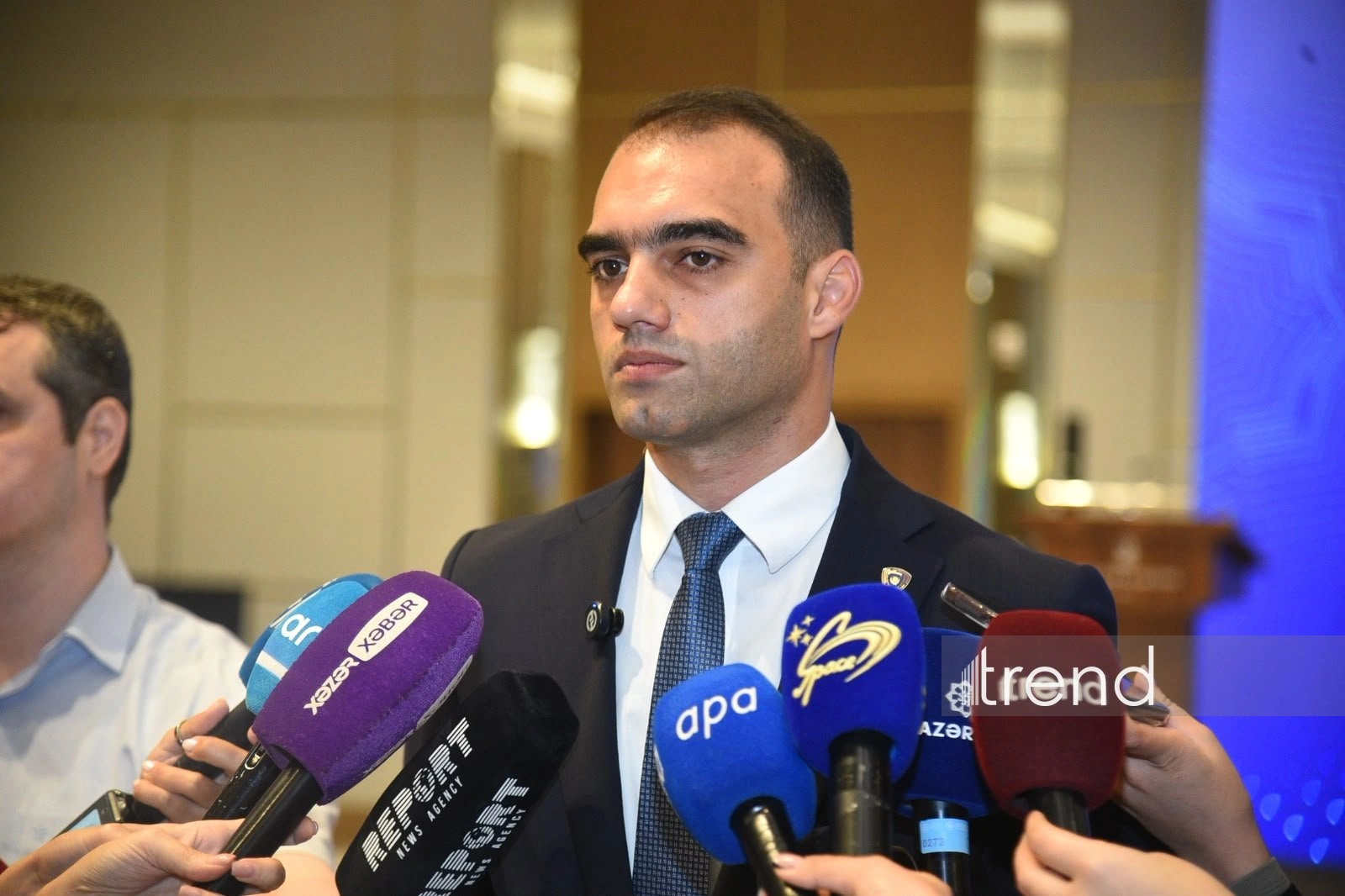
Turkmenistan, Olivier Kueny, Head of the EIB’s Regional
Representation for Central Asia, told Trend.
“Although our operations in Turkmenistan are currently limited
until a Framework Agreement is signed, the recent mission to
Ashgabat showed a clear shared interest in future cooperation,”
Kueny said.
He noted that the EIB had already allocated resources to work on
potential projects in Turkmenistan and would be able to quickly
develop a project pipeline once the agreement is in place.
Potential areas of cooperation include sustainable transport,
digital technologies, renewable energy and water management. The
EIB is also exploring ways to support the development and
digitalisation of the Trans-Caspian Transport Corridor,
particularly where such initiatives align with the EU’s Global
Gateway strategy.
Additionally, Kueny told that Turkmenistan’s plans to modernise
transport infrastructure and develop renewable energy correspond
well with the EIB’s climate and infrastructure priorities. He also
described Turkmenistan as a key node of the Trans-Caspian Transport
Corridor due to its direct access to the Caspian Sea.
For reference, the European Investment Bank (EIB), founded in
1958 and headquartered in Luxembourg, is the lending institution of
the European Union that provides long-term financing for
infrastructure, climate, energy, transport, digitalization and
other development projects in EU member states and partner
countries worldwide. The bank currently cooperates with more than
160 countries and focuses on supporting sustainable development,
climate action and economic connectivity.
Turkmenistan and the EIB have been developing dialogue in recent
years, primarily aimed at creating a legal framework that would
allow the bank to begin operations in the country. In particular,
the sides are negotiating a Framework Agreement that would
establish the legal basis for EIB financing of projects in
Turkmenistan. Potential areas of cooperation discussed between
Turkmenistan and the bank include transport infrastructure,
especially projects linked to the Trans-Caspian transport corridor,
as well as initiatives in renewable energy, digitalisation, water
management and other sustainable development sectors.