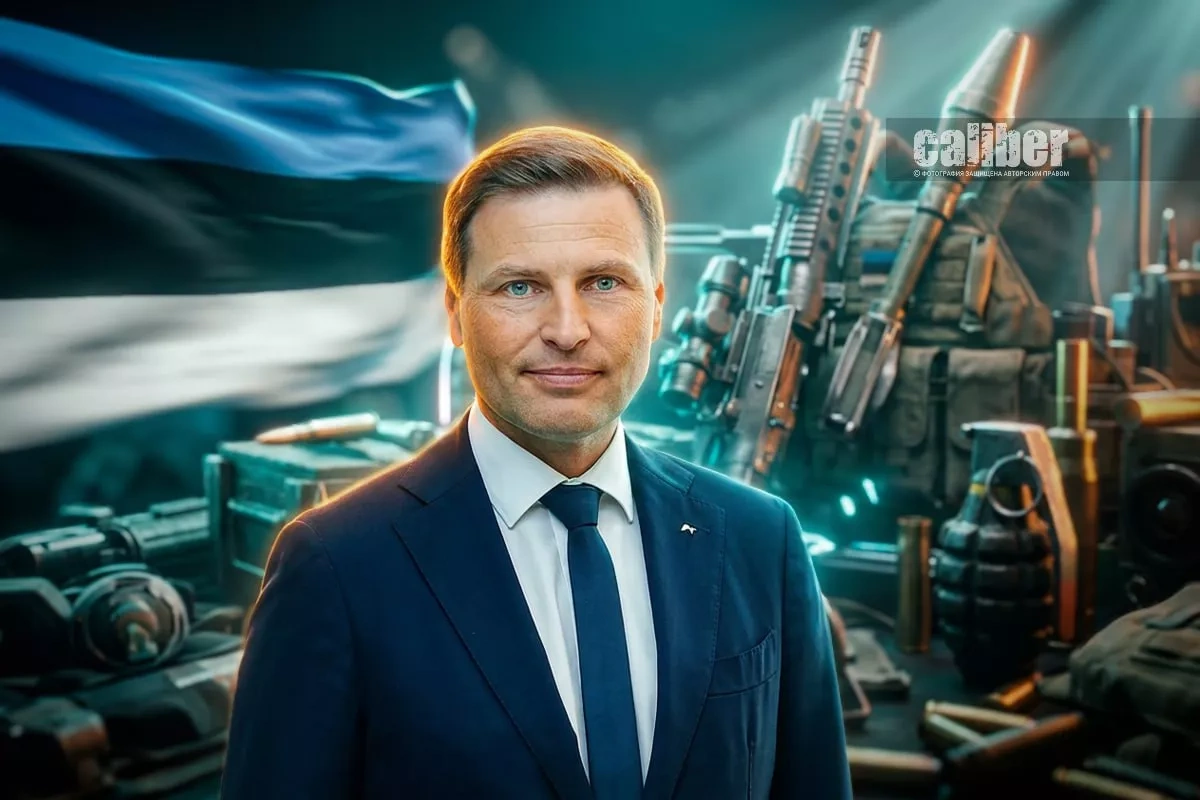
A political crisis has erupted in the Estonian government, with Defence Minister Hanno Pevkur resigning amid a damning audit by the National Audit Office. The scandal was triggered by the failure of a contract to procure artillery ammunition for Ukraine. Prime Minister Kristen Michal acknowledged that the minister was not personally responsible for the details of the deal but said Pevkur had to assume political responsibility.
What happened with the Indian supplier
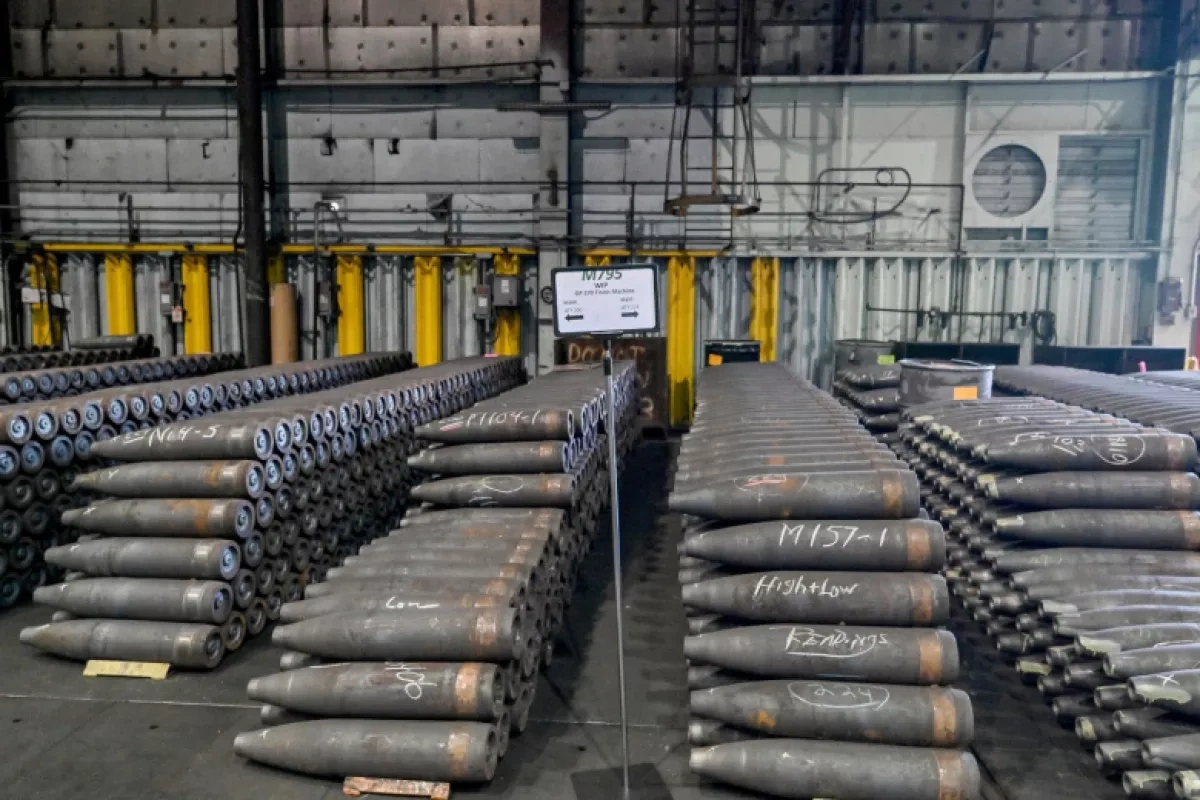
Estonian authorities paid around €70 million in advance to Indian company Datasel, but never received the full quantity of ammunition. The dispute has since escalated into court proceedings and international arbitration.
India's position: Datasel categorically denies allegations of fraud. Company representatives claim they delivered €58 million worth of goods and attribute the delays to highly complex logistics. According to the company, Tallinn also refused to accept the final shipment.
Estonia's position: The ammunition delivered to interim warehouses was of inadequate quality and arrived with incomplete components. The Estonian side subsequently terminated the contracts and demanded the return of the advance payment.
Neither Datasel nor its owners had ever been involved in the manufacture or sale of artillery shells before the deal was concluded. Tallinn is now seeking to recover the money through domestic courts and the International Court of Arbitration in Strasbourg. Meanwhile, law enforcement authorities are conducting a criminal investigation.
Pevkur's record and the surge in military spending
Hanno Pevkur headed Estonia's Ministry of Defence from July 2022. During his tenure, he enjoyed the full support of both former Prime Minister Kaja Kallas and her successor, Kristen Michal. It was under Pevkur that Estonia became one of the world's leading providers of aid to Ukraine relative to its own GDP.
A voluntary resignation before a no-confidence vote is a classic move in Northern European politics. It allows an official to save face and preserve the possibility of returning to high-level politics in the future.
However, his departure has highlighted a much deeper, systemic crisis. The country's administrative apparatus simply failed to cope with the rapid growth in military spending:
2014–2021: Stable defence funding at slightly above 2% of GDP.
2023: Defence spending exceeded €1 billion for the first time in the country's history, at around 3% of GDP.
2025: Funding rose to 3.6% of GDP, or approximately €1.57 billion.
2026: Estonia allocated a record €2.4 billion to its armed forces, equivalent to 5.43% of GDP.
The country has thus established itself as one of NATO's absolute leaders in terms of defence spending as a share of GDP.
Consequences for Ukraine and NATO
The departure of the defence minister will not affect Estonia's overall policy: the country's political commitment to supporting Kyiv and deterring Russia remains unwavering. Within NATO, the episode is being viewed as an internal administrative matter.
Nevertheless, the affair has exposed a vulnerability: Estonia's administrative system was not prepared to simultaneously manage huge budgets, carry out rearmament, and conduct large-scale international procurement programmes. Going forward, Tallinn is likely to scrutinise foreign contractors much more rigorously. This could temporarily slow the signing of new contracts, but should make them more reliable.
What comes next for the defence ministry
The opposition — most notably former Defence Minister Urmas Reinsalu — has strongly criticised the government for failing to notice the disorder in the procurement system for years. Against the backdrop of planned multibillion-euro defence spending, Pevkur's successor will have to take control of the situation urgently, tighten scrutiny of foreign contractors and the conditions for advance payments, and clearly distinguish between the political responsibility of officials and the administrative work of those implementing contracts.
Pevkur's successor has not yet been named. The ruling Reform Party has a very limited pool of candidates. Experts most frequently cite Marko Mihkelson, chairman of the Riigikogu's Foreign Affairs Committee, as a possible contender, although his firm stance on a number of issues could complicate the approval process.