BAKU, Azerbaijan, September 4. Uzbekistan and
South Korea discussed new development initiatives focused on AI,
digitalization, healthcare, agriculture, education, climate change,
and water management.
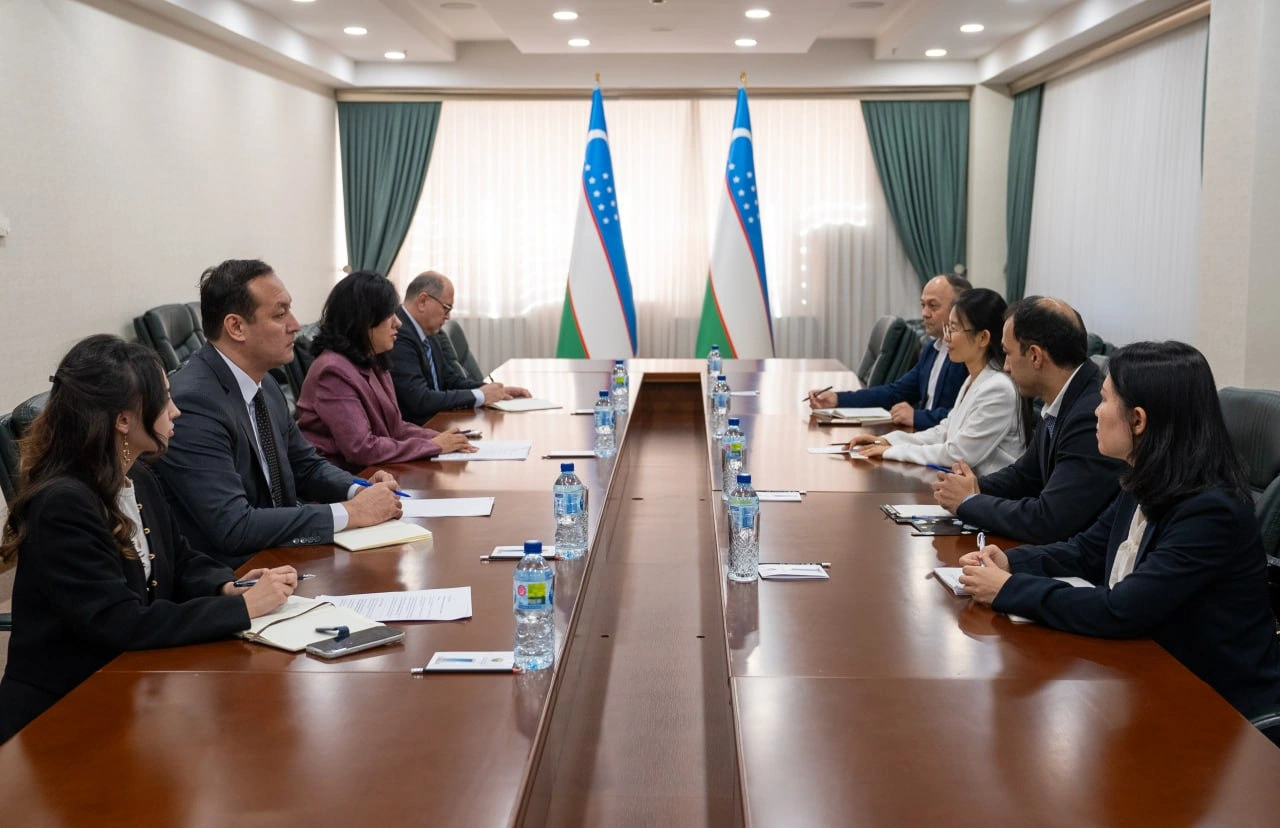
This was reflected in the statement by the press service of the
Uzbek president, following a meeting between MFA adviser Munira
Aminova and Kim Myong Jin, the newly appointed director of the
Korea International Cooperation Agency (KOICA) office in
Uzbekistan, on September 3.
According to the information, in the course of the meeting, the
parties reviewed the current state of Uzbek-Korean cooperation in
terms of development and the prospects for expanding the
partnership, focusing on aligning future projects with Uzbekistan’s
national development priorities and South Korea’s experience.
“Particular attention was paid to cooperation in artificial
intelligence and digitalization, including the introduction of AI
technologies in healthcare, agriculture and education, as well as
climate change and water management,” the press service said.
The sides highlighted KOICA’s significant contribution to social
and infrastructure projects in Uzbekistan and expressed mutual
interest in developing new joint initiatives.
The discussions also focused on the importance of closer
coordination and regular exchanges of views when identifying
promising areas and projects for future cooperation.
AI and digitalization are emerging as important areas of
cooperation between Uzbekistan and South Korea, with potential
applications across key sectors of the Uzbek economy and public
services. The expansion of such projects could support Uzbekistan’s
efforts to modernize public services, improve productivity, and
introduce technology-driven solutions in areas such as health care
and agriculture.
Cooperation on climate change and water management also reflects
Uzbekistan’s focus on addressing environmental and
resource-management challenges through international expertise and
technology.
The meeting with KOICA’s new country director provides an
opportunity to build on existing development programs while
identifying additional projects that combine South Korean technical
expertise with Uzbekistan’s development priorities.