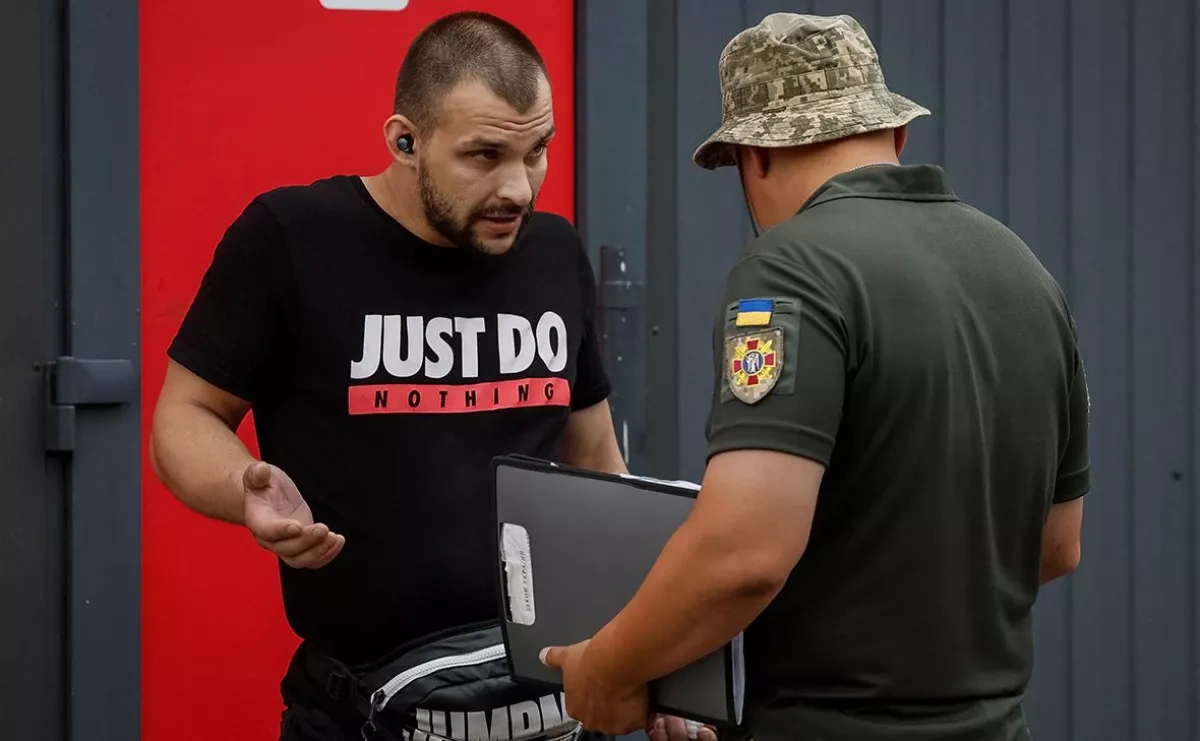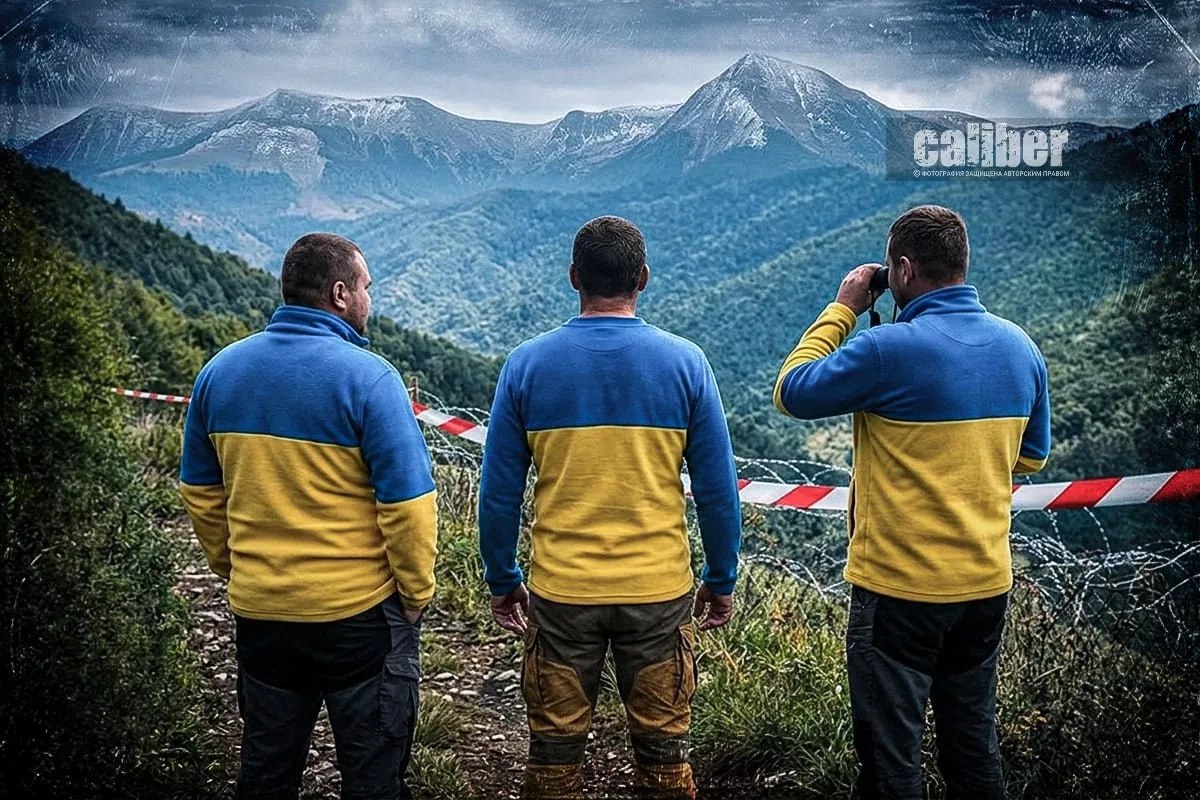
Loud scandals erupt in Ukraine almost daily, many of them involving allegations of corruption on a staggering scale amid the country’s ongoing war. As Ukrainian Parliament Commissioner for Human Rights Dmytro Lubinets reported, authorities have uncovered a brazen and extremely costly scheme in one of the country’s border regions, allegedly allowing people to be smuggled across the border directly from a Territorial Recruitment and Social Support Centre (TRC) bus. The reported price for such a service ranges from $50,000 to $70,000.
According to Lubinets, the cost of these illicit “services” has risen sharply. Previously, escaping from a TRC bus reportedly cost around $10,000, while securing release from a territorial recruitment centre cost about $15,000. The latest schemes, however, allegedly offer a complete package — from getting out of the recruitment system to leaving Ukraine altogether.
The old saying that “war is a tragedy for some and an opportunity for others” appears to have taken on an entirely new and disturbing meaning.
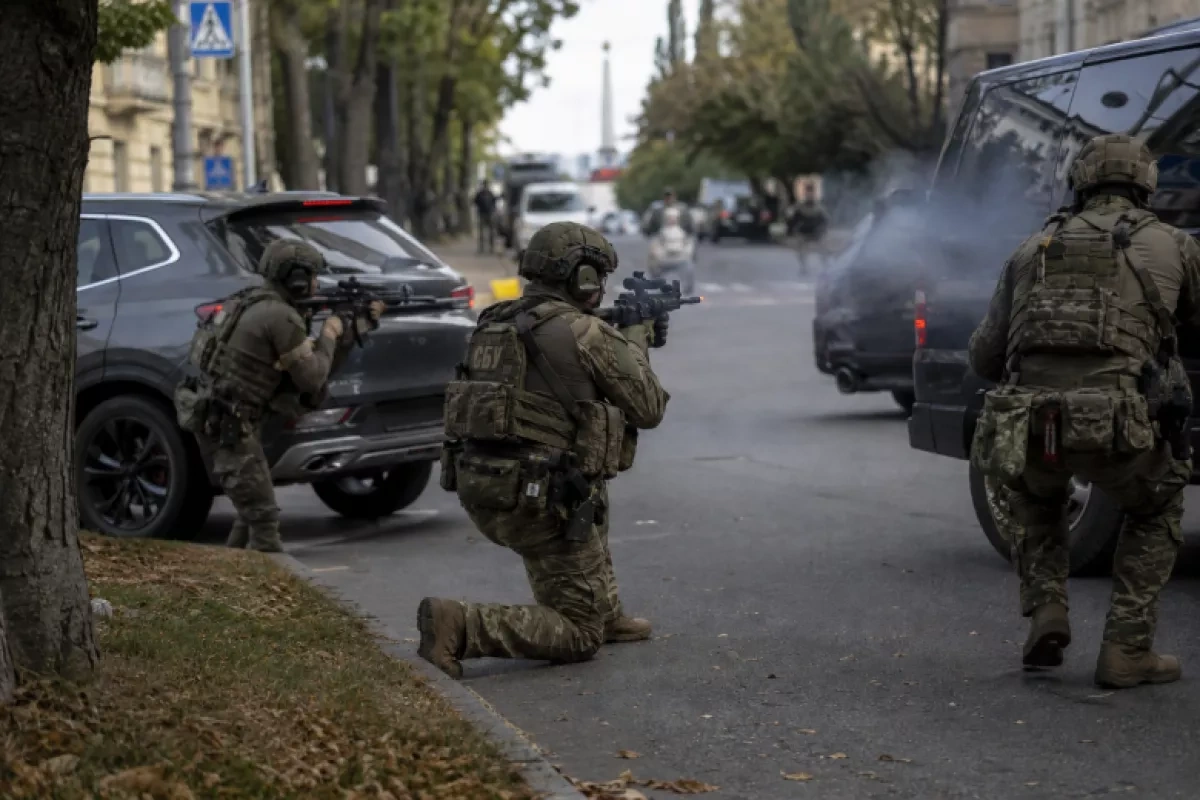
However, this is far from the only high-profile scandal. Kyiv-based social media channels reported a shooting on Yuri Shumsky Street involving officers from the Security Service of Ukraine (SBU) and the Main Intelligence Directorate (HUR) of Ukraine’s Defence Ministry. Several versions of what triggered the incident quickly emerged. Lawyer Taras Borovskyi, for example, linked it to the disappearance of his client, Stepan Kaplunov, deputy commander for combat operations of the Russian Volunteer Corps.
The SBU later said the incident occurred while its officers were collecting evidence, while sources cited by Ukrainska Pravda reported that three HUR personnel were wounded. The incident also prompted reactions from Ukrainian President Volodymyr Zelenskyy and the head of the Presidential Office, Kyrylo Budanov.
The story is clearly not over. But the incident has already raised serious questions about tensions between Ukraine’s intelligence agencies and the functioning of the country’s broader state institutions.
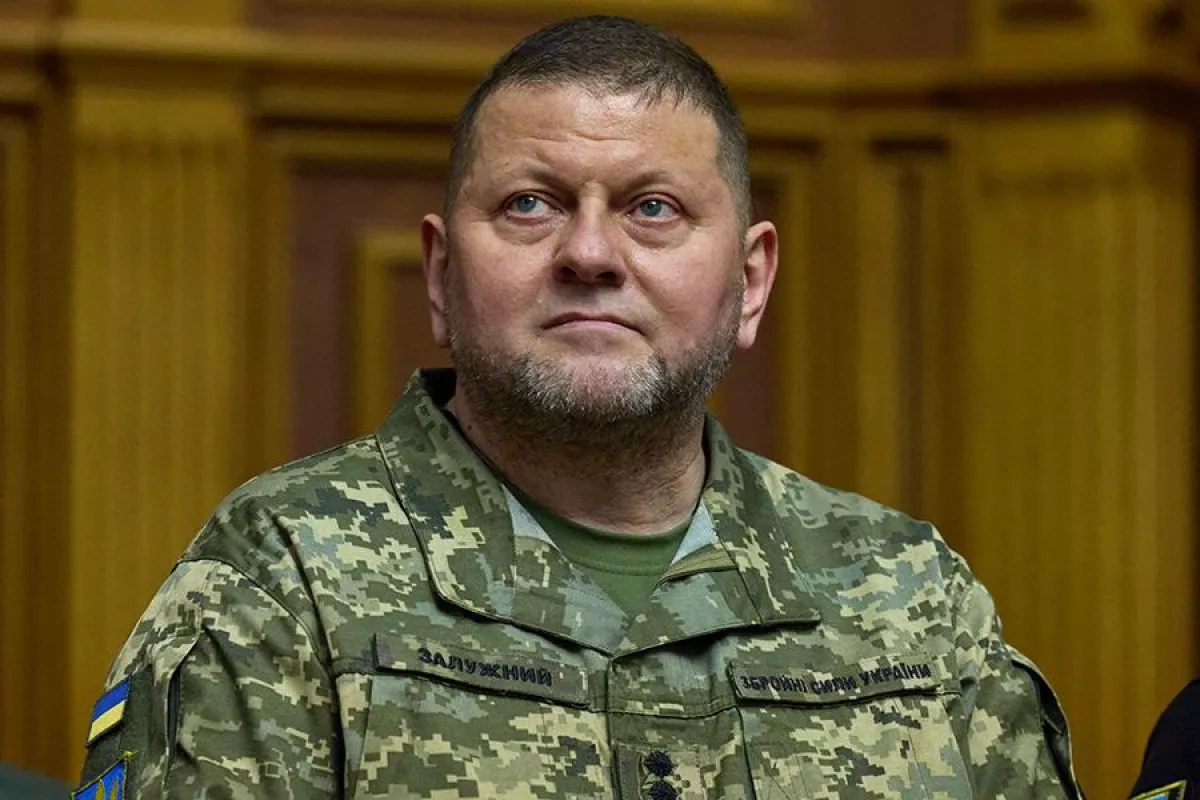
And this is far from the first such case. It is enough to recall an interview that former Commander-in-Chief of the Armed Forces of Ukraine and current Ukrainian Ambassador to the United Kingdom Valerii Zaluzhnyi gave to the Associated Press (AP), published on February 18. Zaluzhnyi described how, in September 2022, dozens of SBU officers arrived to search a command centre in Kyiv where his office was located. According to him, more than a dozen British officers were also present at the time. Zaluzhnyi categorically refused to allow the security officers access to the documents and computers.
Describing the incident as an act of intimidation, Zaluzhnyi said he called then-Head of the Presidential Office Andriy Yermak during the search and warned that he was prepared to resist and, if necessary, bring in military personnel to protect the command centre. His account offered a striking illustration of the extent to which Ukraine’s security services can become entangled in political power struggles. Judging by the reported shootout on Yuri Shumsky Street, such tensions may not have disappeared.
Interestingly, footage from the scene also appears to show SBU and HUR personnel speaking to one another in Russian rather than Ukrainian. That detail sparked a wave of outrage, particularly given the repeated calls by Ukrainian officials at various levels for the exclusive use of the state language wherever possible.
For example, Elizaveta Sachura, a representative of the Commissioner for the Protection of the State Language, has stated that heads of homeowners’ associations (OSMDs) are required to conduct all work-related communication with co-owners exclusively in the state language, including in messaging apps.
But that is not all. Earlier, Language Commissioner Olena Ivanovska said that parents of schoolchildren, as participants in the educational process, are likewise required to use the state language exclusively when communicating with one another and with teachers on educational matters, including in school group chats.
All of this increasingly looks less like a genuine effort to strengthen the position of the state language and more like an exercise in enforcing language rules. There are countless examples of Ukrainian political and military leaders using Russian in their everyday communication. Even Iuliia Mendel, a former presidential press secretary, said in an interview with Tucker Carlson that President Volodymyr Zelenskyy and members of his inner circle speak Russian.
Now the public has seen that HUR and SBU personnel also communicate in Russian. It is difficult to imagine the language ombudsman and her aides being able to compel security officers to use the state language — whether during disputes between government agencies or in their private conversations.
And all of this disorder is unfolding against the backdrop of an increasingly difficult economic situation, with an economic crisis looming on the horizon.
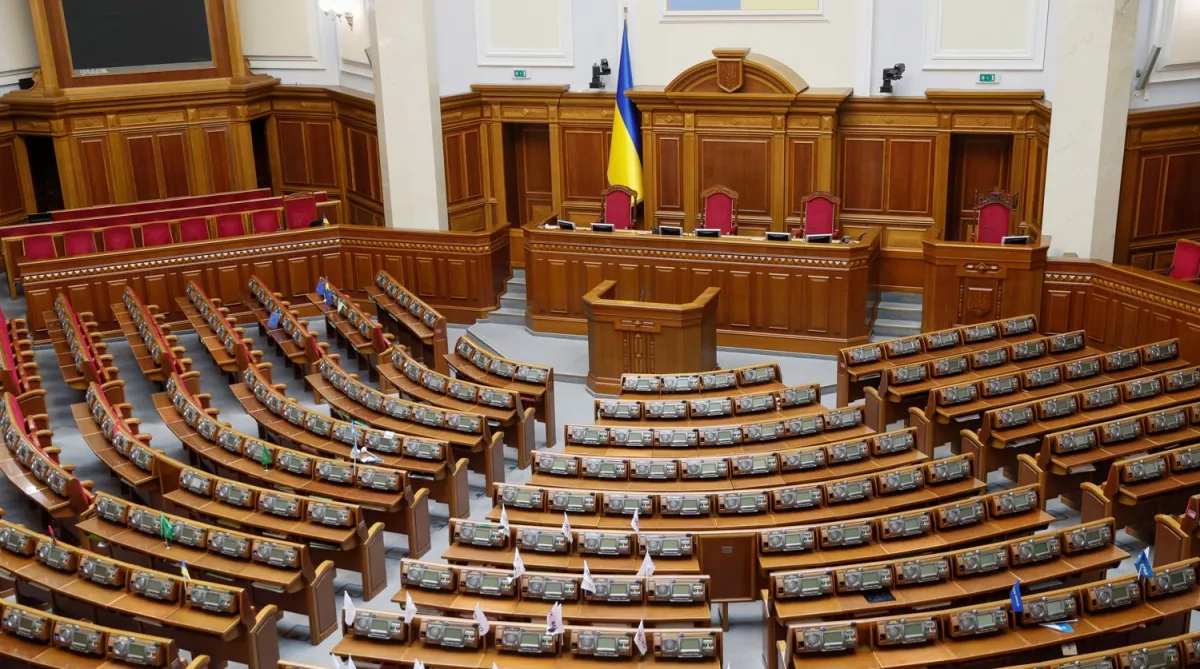
The problem is that Ukraine risks losing €4.2 billion in EU funding and $1.6 billion from the IMF after lawmakers failed to pass legislation abolishing the tax exemption for parcels worth up to €150. As a result, delays in payments to military personnel could begin as early as October, parliamentary Finance Committee Chairman Danylo Hetmantsev warned in an interview with Obozrevatel.
“If the lawmakers who voted against this measure do not immediately come to their senses and return to the chamber with a different position, everyone will feel the consequences in the form of delays in payments to military personnel,” he said.
What else can such a situation be called when lawmakers in a country facing enormous challenges effectively derail a crucial decision? The mildest word that comes to mind is scandal.