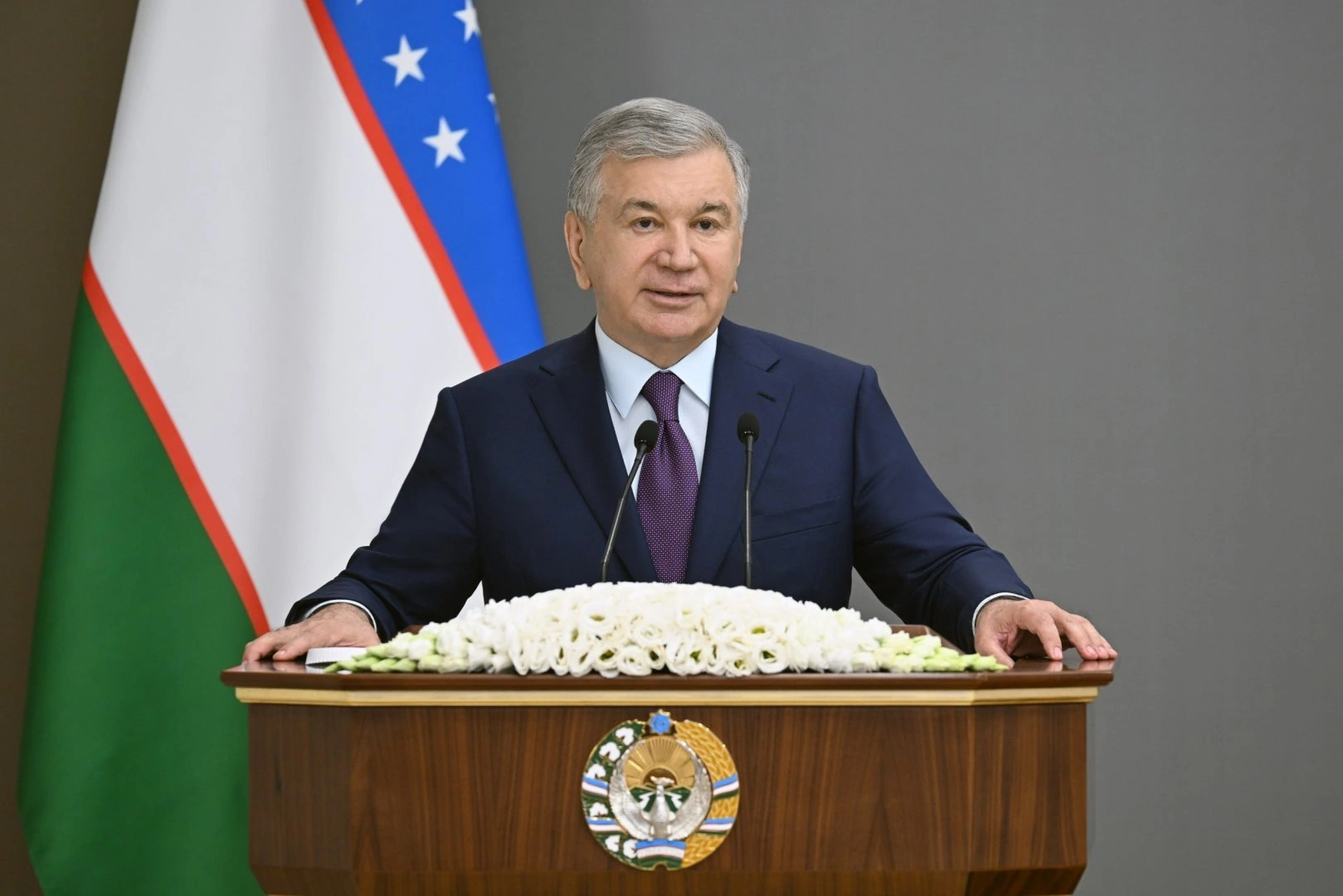
BAKU, Azerbaijan, September 3. Uzbekistan has
compared the effectiveness of credit resources allocated to
different districts, highlighting significant differences in the
amount of financing required to lift residents out of poverty.
This was reported on the official channel of the Press Secretary
to the President of Uzbekistan, following a video conference on
poverty reduction and income growth chaired by President Shavkat
Mirziyoyev.
During a meeting, officials conducted a comparative analysis of
the results of credit programs across districts.
Sharof Rashidov and Qarshi districts each received 2.3 trillion
soums (about $194.8 million) in credit resources during the period
under review. In Sharof Rashidov district, the funding helped lift
30,000 people out of poverty, with an average of 78 million soums
(around $6,608) allocated per person.
In Qarshi district, conditions improved for 13,000 people in
need, with an average of 176 million soums (approx. $14,911) spent
per person.
A similar disparity was recorded in Qamashi and Piskent
districts, which each received 1.1 trillion soums (about $93.1
million) in credit resources. In Qamashi, the financing helped
28,000 people move out of poverty, while in Piskent, the figure
stood at only 4,500 people.
The comparison means that the same amount of credit generated
significantly different results. Based on the reported figures, the
average financing per person lifted out of poverty was
approximately 39 million soums (around $3,304) in Qamashi, compared
with about 244 million soums (around $20,673) in Piskent.
Officials said similar differences were observed in Guzor,
Nishon, Mubarak, Yangikurgan, Toyloq, Boysun, Oltinsoy, Bandikhon
and Beshariq districts, as well as Fergana district and the cities
of Nurafshon, Bekobod and Yangiyul.
In Piskent, officials said, as much as 250 million soums
(approx. $21,181) in credit is being allocated per person to help
them move out of poverty.
The meeting highlighted the need to assess not only the volume
of credit allocated but also the economic return and social impact
generated by those resources.
The comparison suggests that improving the efficiency of
poverty-reduction financing could allow the same pool of credit to
benefit substantially more households. Officials also pointed to
cases where comparable funding could instead be used to create
permanent, higher-income jobs in the industrial sector.
The findings underscore the importance of directing credit
toward projects capable of generating sustainable employment and
income rather than relying solely on the volume of financing
provided.